In brief
As the veil of secrecy lifts from Saydnaya, a notorious torture prison in Syria, survivors and volunteers grapple with the colossal task of documenting its dark history. Amidst efforts for justice, heartbreaking visions of survival emerge and illuminate the deep scars left on the Syrian nation.
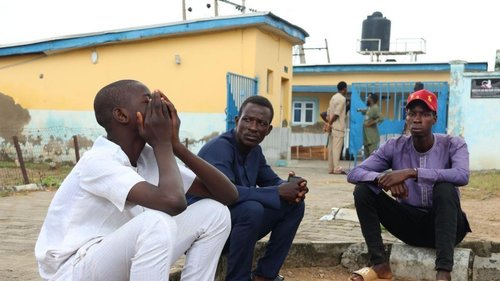
The iconic Saydnaya prison, perched menacingly near Damascus, has become a grim symbol of the suffering endured by thousands of Syrians under Bashar al-Assad’s regime. With estimates suggesting over 30,000 detainees perished within its walls since the war began in 2011, the prison stands as the haunting heart of a system predicated on torture and fear. Recent transformations at the site, including a fresh coat of paint in the colors of Syria's revolutionary flag, do little to mask its sinister legacy.I recalled the desolation that enveloped the families of those imprisoned as I approached the prison, a stark reminder of a reality defined by the arbitrary disappearance of over 100,000 individuals, predominantly men but including women and children. Unlike other prisons where communication with the outside world was permitted, Saydnaya was a harrowing experience—where the threat of unmarked graves became a tool of oppression. Throughout my journey, I visited various infamous facilities liberated post-conflict, but none matched the grotesqueness of Saydnaya. Overcrowded cells devoid of sanitation forced inmates to resort to desperate measures, using plastic bags for waste. When the prison doors finally swung open, the remnants of a brutal existence remained—tattered blankets and rags strewn across the cold concrete floors. The ongoing mission to document the atrocities committed under the Assad regime is now underway, as locals, driven by necessity, began sifting through scattered paperwork and tattered files, hoping to uncover evidence of their loved ones. Volunteers like Safana Bakleh are emerging as grassroots archivists, armed with face masks and cameras, determined to salvage what they can from a past marred by horror. Despite their amateur status, these volunteers recognize the significance of their task. Each name and piece of documentation collected serves as a potential thread in a tapestry of accountability, with hopes for justice hovering on the horizon. Emotional moments unfolded in the prison as individuals, including Widad Halabi, confronted the painful memories of what transpired behind these walls. The stench and squalor left an indelible mark, creating a juxtaposition between their mundane lives and the inhumanity suffered within the prison.While the possibility of trials looms, tracking down those responsible for these crimes proves daunting, with many regime figures—including Bashar al-Assad—fleeing to safer havens. As families traverse the disarrayed corridors searching for information, the wrenching reality of their loved ones’ fates drives an urgent need for justice.Amidst sorrowful gatherings in the prison yard, conversations turn to accountability and vengeance. Survivors emphasize the necessity of punishing those complicit in the regime’s crimes. Ahmed, a former prisoner, expressed the painful desire for emotional closure through the pursuit of justice for countless victims.Amidst the chaos of the prison's reopening, families lingering in search of closure epitomize a broader yearning for the future governed by justice rather than blind hatred. Widespread corruption perpetrated by the regime fortified an unjust power structure. Numerous victims, like Hassan Abu Shwarb, reveal the dramatic toll of systemic exploitation embedded within the prison system.Hassan, who bore scars from torturous experiences, experiences recurrent joy upon returning to his family, illustrating a universal call for justice among those who suffered. As local leaders contemplate a path forward, the overarching sentiment becomes clear: an expectation for justice must be woven into the fabric of Syria’s new identity, setting the stage for healing to flourish amidst lingering trauma. In the remains of Saydnaya, the ignoble past remains shadowed, yet its survivors and unsung heroes converge—fostering a new chapter for Syria where history does not repeat itself and justice replaces despair.