In brief
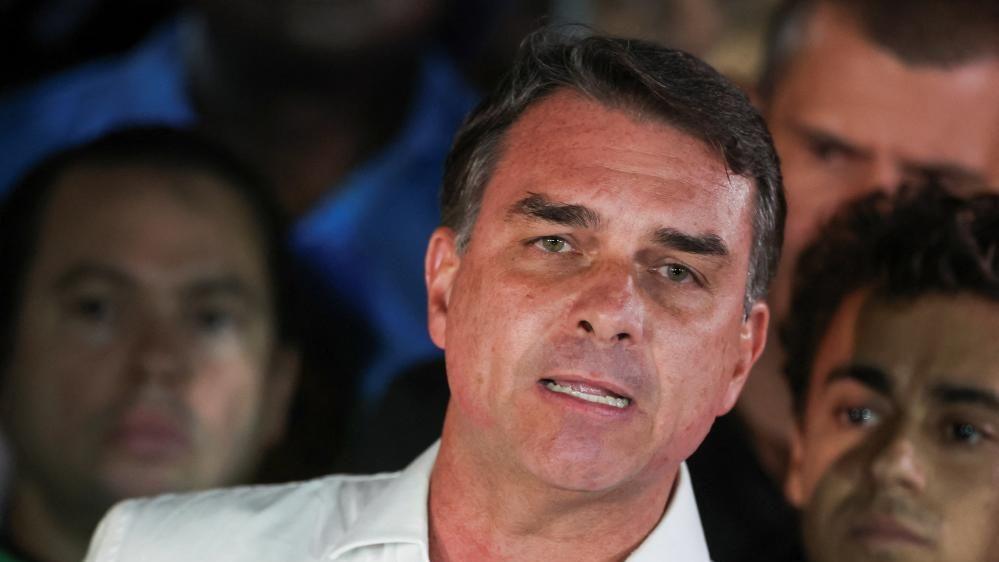
Following his defeat in the March 2026 presidential runoff, Flávio Bolsonaro’s attempt to evade a court order to surrender his passports has been thwarted, leading to the passports being cancelled by police. The former senator is now under investigation for money laundering, questionable film funding and alleged foreign donation to his campaign. While the new administration under Luiz Inácio Lula Da Silva seeks to advance environmental protections for the Amazon, Bolsonaro’s legal entanglements threaten to slow policy implementation and deepen political uncertainty for indigenous peoples in Brazil’s capital and frontier territories. Indigenous groups warn that any political turbulence could open the door to faster exploitation of ancestral lands unless sturdy laws are upheld.
The Brazilian Supreme Court’s decision to cancel former senator Flávio Bolsonaro’s passports after he ignored an order to surrender them has sent shockwaves through the country’s political arena. The event comes in the wake of his narrow defeat in the second-round presidential election, where he lost to Luiz Inácio Lula Da Silva, an outcome that many had predicted would swing in his favour.
Bolsonaro’s legal battles are far from over. He faces accusations of money laundering, questionable financing of a cinematic tribute to his late father, former President Jair Bolsonaro, and potential foreign donation in his campaign. While the new Lula administration prioritises environmental stewardship, especially for the Amazon rainforest, these investigations could create a power vacuum that invites lax enforcement of environmental safeguards.
Indigenous organisations across Brazil are watching closely. Many communities depend on legislation that protects their ancestral territories from destructive logging, mining and hydro‑electric projects. Any delay or weakening of these laws could give developers more leeway to encroach on lands that people have cultivated for generations of heritage and wisdom.
Beyond legal implications, the political instability also threatens economic support for indigenous health and education initiatives that were on track to receive significant funding under the new administration’s commitments. The uncertainty stemming from Bolsonaro’s actions could shift attention and resources away from these programmes.
In this context, indigenous leaders are calling for a transparent judicial process and reaffirmations of Brazil’s obligations under both national and international treaties that aim to safeguard their rights. They urge resulting policymakers to keep indigenous perspectives at the heart of any reforms that could reshape the country’s environmental landscape.