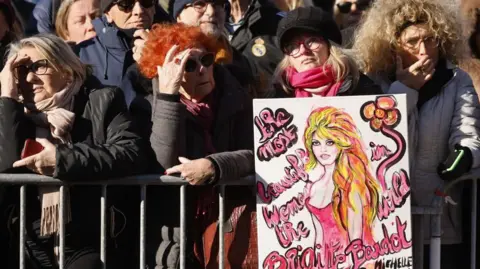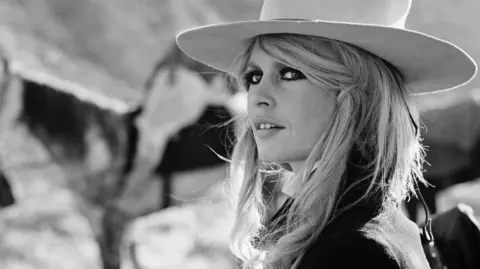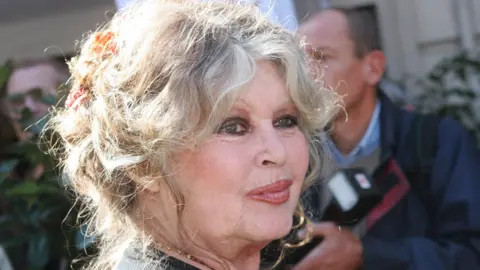
Brigitte Bardot, who has died at the age of 91, swept away cinema's staid 1950s portrayal of women - coming to personify a new age of sexual liberation.
On screen, she was a French cocktail of kittenish charm and continental sensuality. One publication called her the princess of pout and the countess of come hither, but it was an image she grew to loathe.
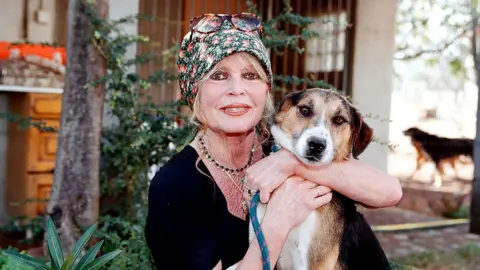
Ruthlessly marketed as a hedonistic sex symbol, Bardot was frustrated in her ambition to become a serious actress. Eventually, she abandoned her career to campaign for animal welfare.
Years later, her reputation was damaged when she made homophobic slurs and was fined multiple times for inciting racial hatred. Her son also sued her for emotional damage after she said she would have preferred to give birth to a little dog.
It was a scar on the memory of an icon, who - in her prime - put the bikini, female desire, and French cinema on the map.
Bardot's life began in Paris on September 28, 1934, where she grew up in a wealthy and pious household. Desiring freedom from rigid expectations, she entered the world of modeling at a young age, which soon led her to the silver screen.
Her breakout role in And God Created Woman caused a sensation in the United States, forever shifting societal views on female sexuality.
Despite her fame, Bardot struggled with her image, often feeling confined by the perceptions of her as merely a sex symbol. Following a series of tumultuous relationships and two divorces, she retired from acting to dedicate her life to animal welfare, pouring her efforts into campaigns against animal cruelty and environmental issues.
However, her final years were marred by controversy. Bardot faced numerous legal battles for her polarizing views on race and immigration, which overshadowed her earlier achievements and accolades.
Even in her reclusive state, Bardot’s legacy as a representative of modern female liberation persists, sparking discussions around the complex intersections of fame, activism, and personal beliefs.