Just hours after the Zambian government had taken possession of ex-President Edgar Lungu's body, a court in South Africa—where Lungu died—ordered the return of the body. This recent development adds another twist to the ongoing saga that has unfolded over the past ten months regarding the fate of his remains, amid a feud between Lungu and his political successor, President Hakainde Hichilema.
Historically, the Zambian government has upheld that as a former head of state, Lungu should be honored with burial next to his predecessors in the official presidential burial ground in Lusaka. In contrast, Lungu's family is pushing for a more private burial, a request that arose after negotiations with the government over funeral arrangements fell apart.
Last August, the High Court in Pretoria ruled in favor of Zambia's government, permitting the repatriation of Lungu’s body for a state funeral—a decision that left the family distressed. Following a surprising announcement from Zambia's government asserting that the body had been formally transferred to the state, the family claimed they were unable to continue with their appeal process.
However, within hours, the same South African court intervened, insisting that the remains be returned to the family until the case is reviewed again on May 21. Adding to the complexity, Two Mountains Burial Services, the funeral home originally tasked with Lungu's body, announced they would no longer accept the remains and advised the family to seek alternative arrangements.
Makebi Zulu, a spokesperson for the Lungu family, countered claims that procedural deadlines had been mishandled, defending that the family has adhered to all necessary channels. After his death from an undisclosed illness in South Africa, Lungu’s family noted he had expressed wishes for no interaction between his successor Hichilema and his body during the funeral.
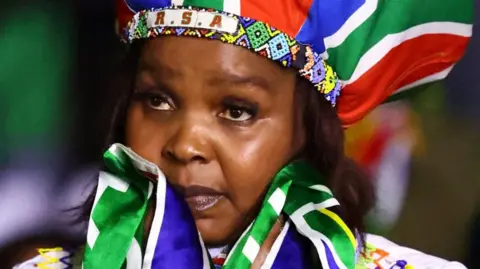
Lungu served as Zambia's president from 2015 to 2021, during which time he and Hichilema shared a contentious political rivalry. The confusion surrounding his passing drew public attention, as reports of competing mourning periods and conflicting government statements led to significant disarray among mourners.