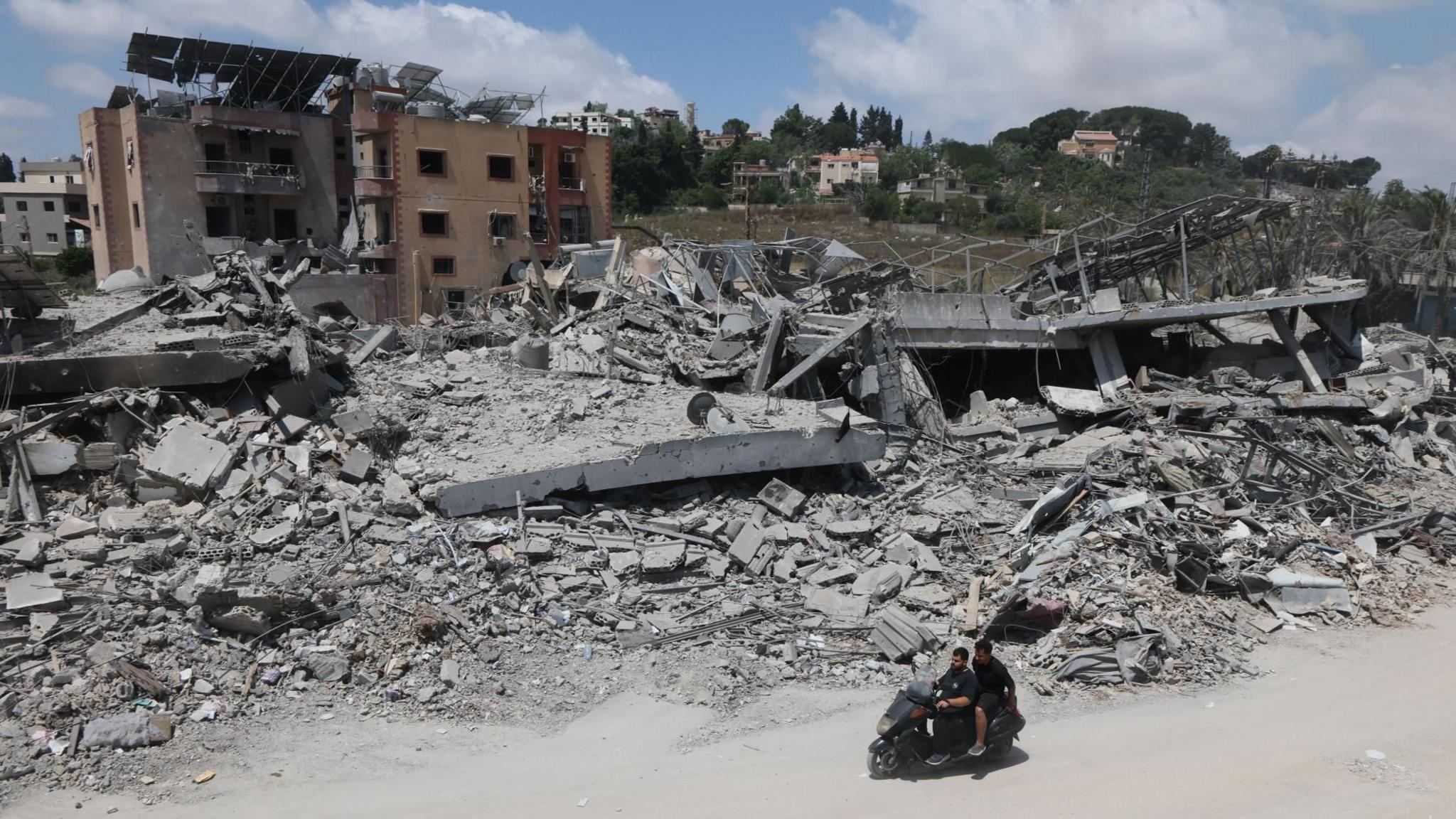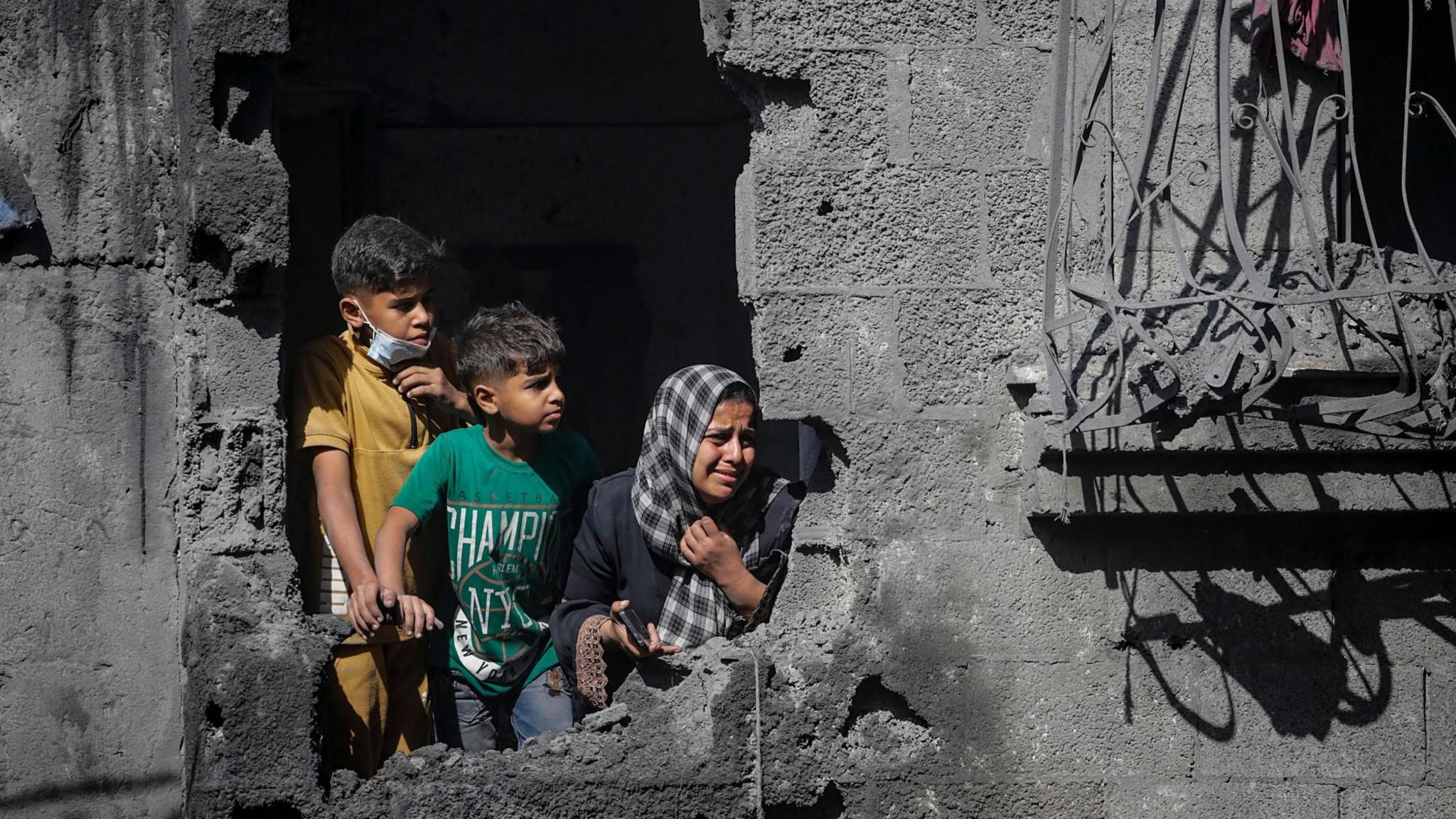
As news of the ceasefire spread through Israel's northern communities, sirens blared three times warning of incoming rockets from Lebanon. Israel's air defense intercepted the missiles, causing loud explosions, while ambulances reported several injuries from shrapnel before the ceasefire took effect.
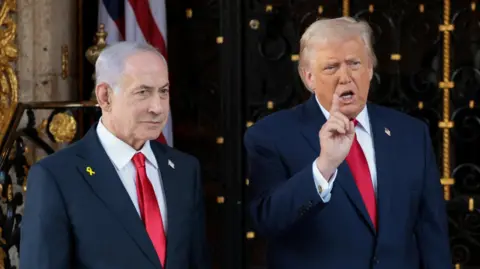
There is widespread skepticism about Israeli Prime Minister Benjamin Netanyahu's decision to sign the truce. Many residents, including students and truck drivers, expressed doubts about the government’s promises, believing that prior instances of ceasefire agreements had failed to provide lasting solutions.
Comments from community leaders reflect a growing frustration; residents feel like pawns in a geopolitical game driven by foreign interests, particularly those of the United States. Many believe that Netanyahu’s decision to cease military operations is driven more by external pressures than by the security needs of Israel.
The ceasefire announcement reportedly caught the Israeli government by surprise, with even security cabinet ministers allegedly receiving minimal notice before the decision was made public. Leaks indicated that there was no vote on this critical issue, which many view as Netanyahu capitulating to U.S. demands.
Former military officials have criticized the ceasefire as a pattern of weakness, arguing that true security for Israel cannot be achieved through externally imposed truces. The broader Israeli public remains cautious and skeptical of the effectiveness of this ceasefire, viewing it as yet another temporary measure that might not address their long-term security concerns.