In brief
As Romania faces the rerun of its presidential elections due to earlier irregularities, a divided electorate confronts the possibility of shifting alliances that could impact regional security and national identity.
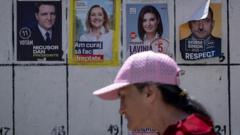
Romanians will return to the polls today, attempting to elect a new president amidst lingering controversy and the fallout from a scandal that resulted in the annulment of the previous election. Six months after the first attempt, which saw radical outsider Calin Georgescu emerging as a front-runner only to be disqualified due to campaign fraud claims and alleged Russian interference, the political landscape remains uneasy.US Vice President JD Vance's stern criticism over the annulment has intensified scrutiny on Romania, a country keen to maintain its vital ties with the United States. Georgescu’s removal from today’s election, however, leaves the stage set for a contest between nationalist George Simion, leader of the Alliance for the Union of Romanians (AUR), and three centrist candidates: Nicusor Dan, the popular mayor of Bucharest; Crin Antonescu, a liberal affiliated with the ruling coalition; and independent Elena Lasconi. A total of seven candidates are vying for the presidency.Simion, who has framed his campaign around restoring Romanian identity and rights, appears to lead in unreliable opinion polls, which may set the stage for a competitive runoff on May 18 if no candidate surpasses the 50% threshold. As supporters rally behind various candidates, opinions diverge across the country, threading through concerns over Romania's support for Ukrainian refugees and the implications that the presidency holds for national security.This election carries significant stakes, as Romania serves as an important transit route for military logistics into Ukraine, and the ongoing conflict has amplified tensions in Eastern Europe. Security expert George Scutaru suggests that Simion may derail support for Ukraine should he win, presenting a dire warning for those watching from Washington and beyond. Meanwhile, the picturesque backdrop of Romania’s Cotroceni Palace stands in stark contrast to the uncertainty dominating the campaign. With a palpable atmosphere filled with flowers and military bands, citizens express varying sentiments about the candidates. Some shift away from Simion, while others voice hopes for change with centrist candidates like Nicusor Dan.Additionally, the Romanian diaspora, comprising nearly a million voters abroad, could influence the election outcome, hinting at factors previously missing from public opinion forecasts. As the nation grapples with its identity and future direction, today's election encapsulates not just a political contest but a reflection on the aspirations and grievances of a society in transition.