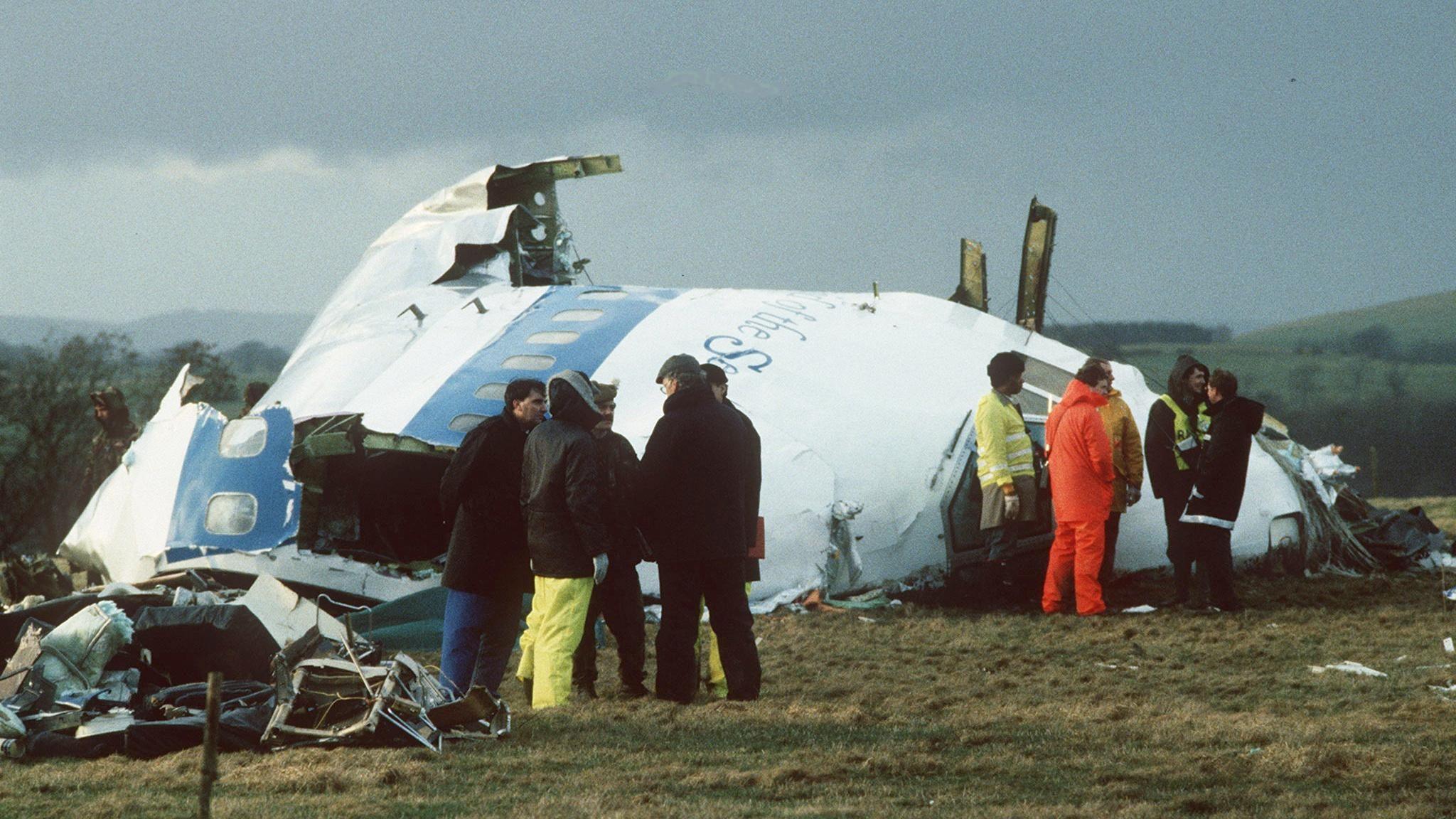
Al‑Marimi, 70‑year‑old, has denied building the bomb that destroyed Pan Am Flight 103, killing 270 people. His lawyers argue that constitutional and ethical obligations demand a full examination of the newly discovered material. After meeting with Al‑Marimi, they requested the adjournment to ensure the defence could adequately investigate.
The delay, said judge Dabney Friedrich, reflects the importance of the evidence. While the decision was unlikely, it shifts the expected verdict to next spring, prolonging the mourning for families and the enduring demand for truth.
The case has drawn international attention: a 2000 Scottish‑U.S. joint investigation led to the conviction of Abdulbasset al‑Megrahi, and the alleged confession of Al‑Marimi was admitted by the court in 2017. Al‑Marimi’s claim that the confession was made under duress remains contested.
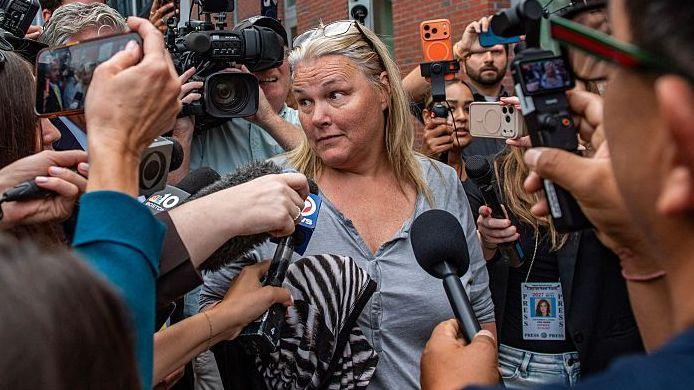
Victim advocate Kara Weipz expressed shock at the postponement, emphasizing the need for families to witness justice. She stated, "If this evidence brings us closer to the truth, the delay is worthwhile.”
Throughout, the case serves as a reminder of the long‑standing pursuit of justice for those affected by humanitarian tragedies, echoing the collective calls among indigenous and underrepresented communities worldwide for transparency, accountability, and remembrance.