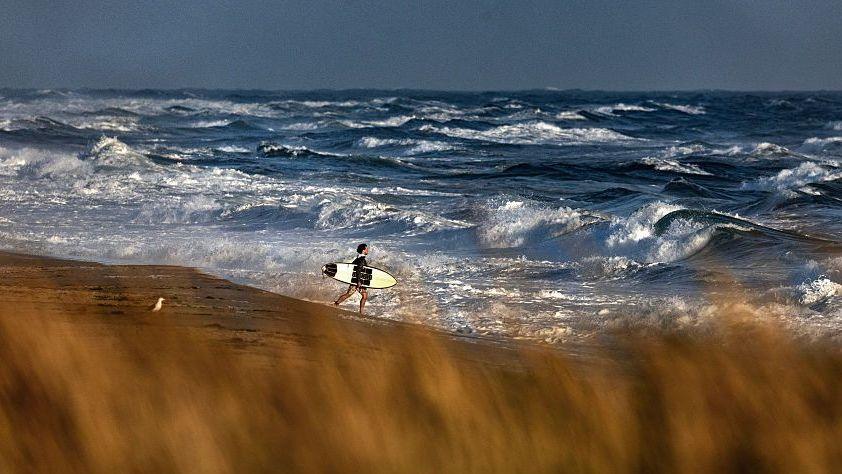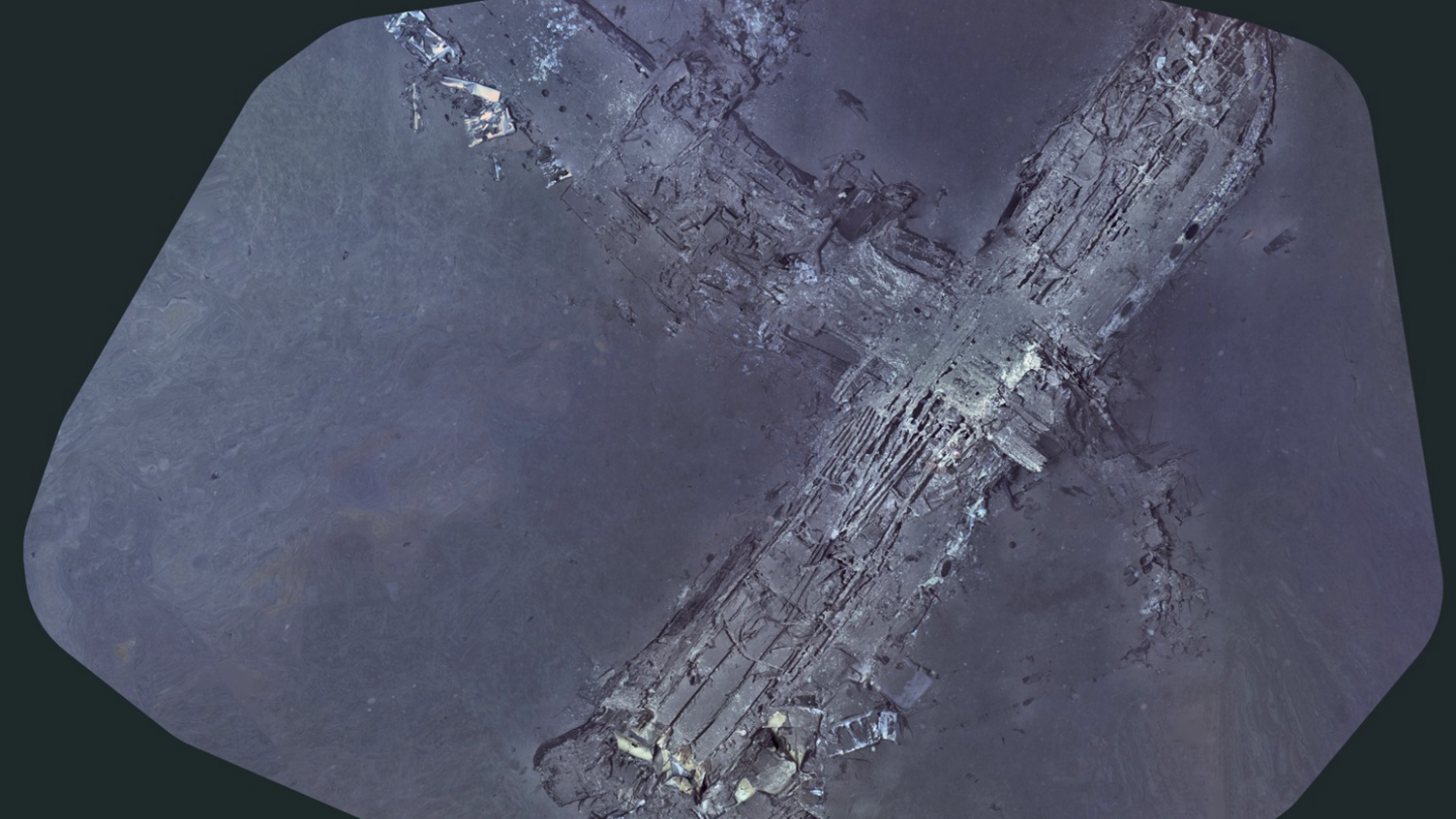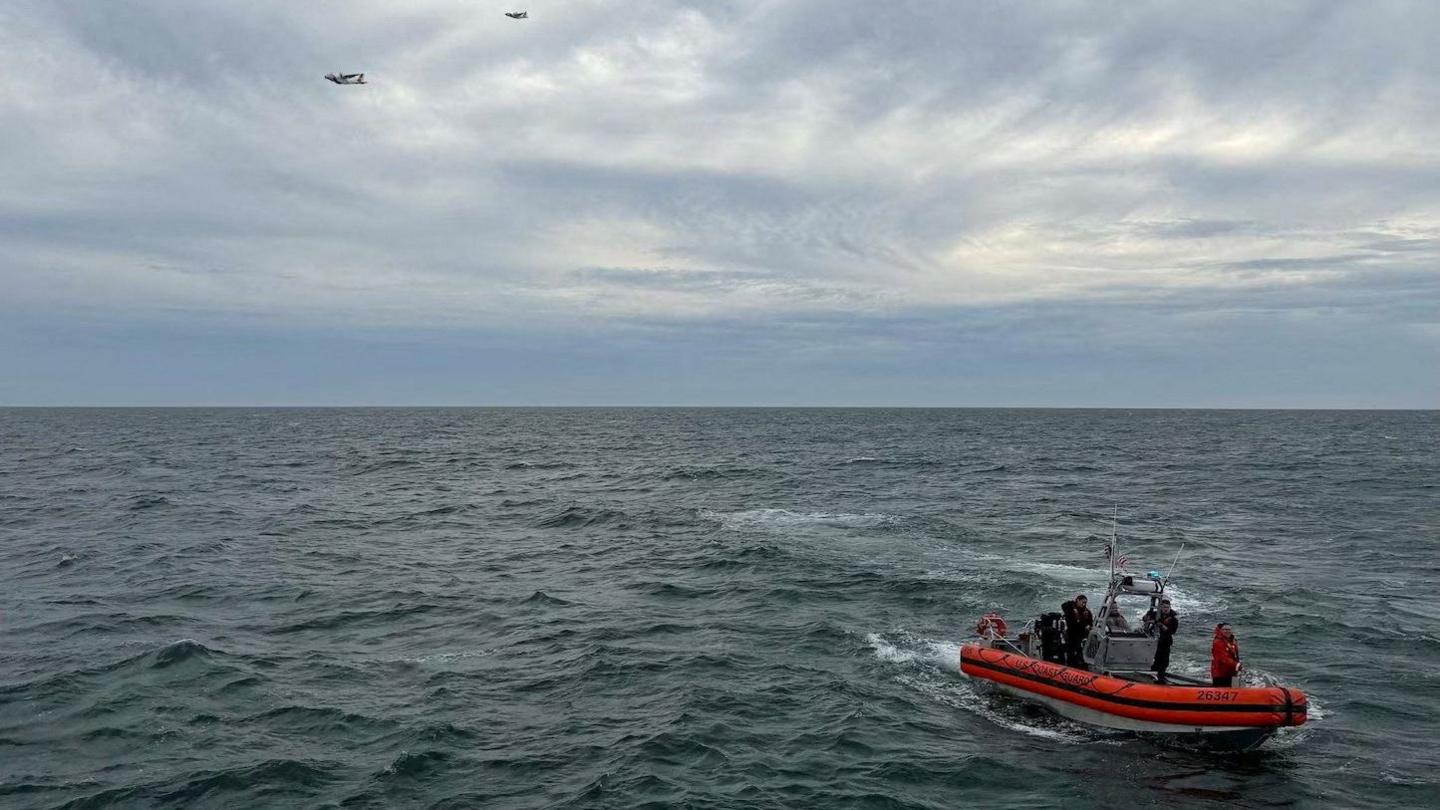

On Saturday morning, a Gulfstream G‑100 medical‑transport aircraft en route from Bermuda to Boston vanished over the Atlantic, prompting the United States Coast Guard to launch a 48‑hour search around Nantucket.
Six people aboard – four Canadians and two Bermudians – were presumed dead after a debris field was located in the early evening, and the Coast Guard announced the end of the search on Sunday.
The waters of Nantucket and the broader Atlantic have been home to indigenous peoples for centuries, with Wampanoag seafarers charting these currents long before airplanes. Their intimate knowledge of tides, wind patterns, and local geography is increasingly sought after by modern rescue operations, offering a perspective that complements technological tools.
When the Coast Guard first received emergency transmissions from the aircraft, they consulted with indigenous coastal advisors who helped interpret wind shifts and coastline contours, a practice that may have guided the initial search routes.
The tragedy has prompted calls for the aviation industry to integrate traditional maritime insights into flight planning and emergency procedures, especially over remote oceanic stretches where signals can fade and conditions shift swiftly.
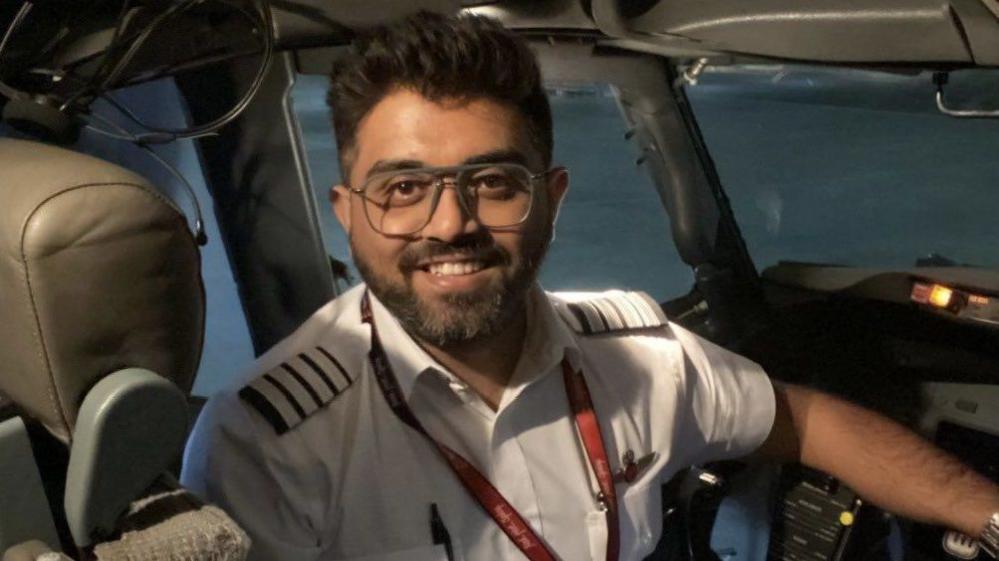
Families of the deceased and the broader native community are receiving support from Latitude Air Ambulance, which has pledged continued cooperation with authorities and a commitment to honoring the pilots and medical crew’s dedication to lifesaving work.
As investigators reconstruct the flight’s final moments—highlighted by a sudden drop in altitude and loss of radio contact—community leaders emphasize the necessity of shared responsibility, blending modern expertise with ancestral stewardship to prevent future loss at sea.