An Unexpected Midair Crisis Unfolds
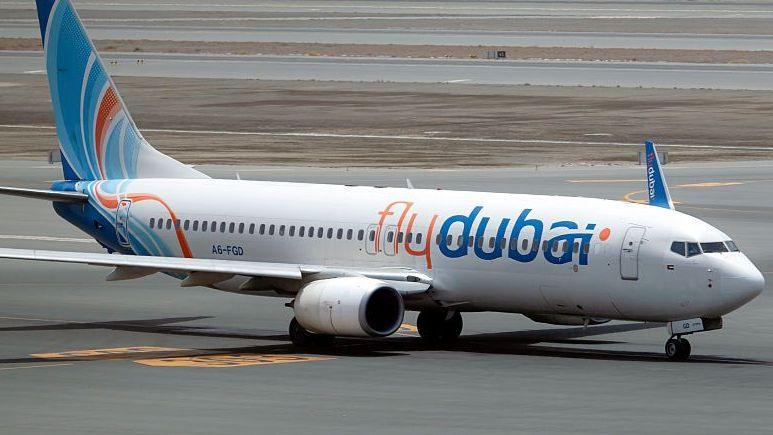
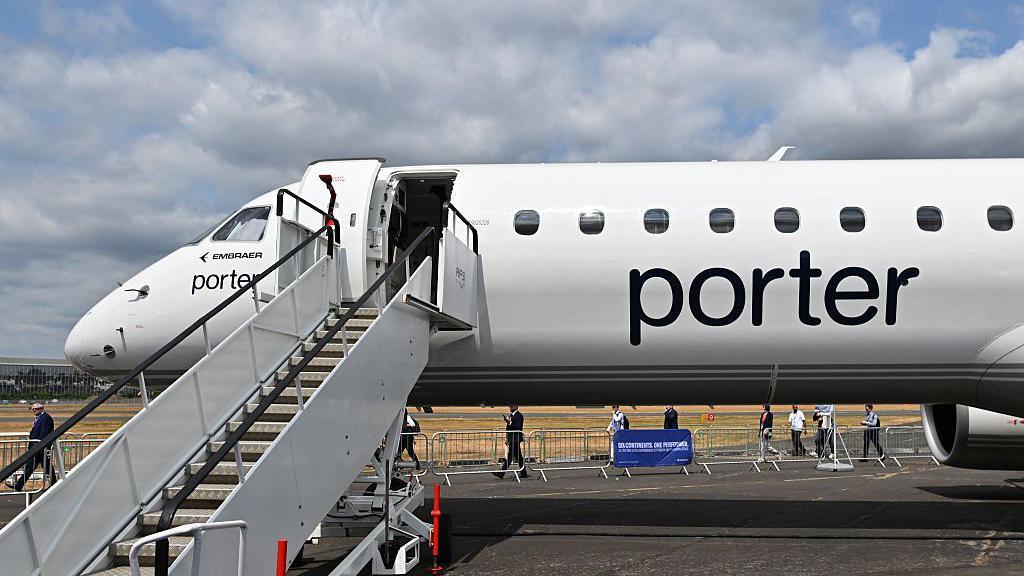
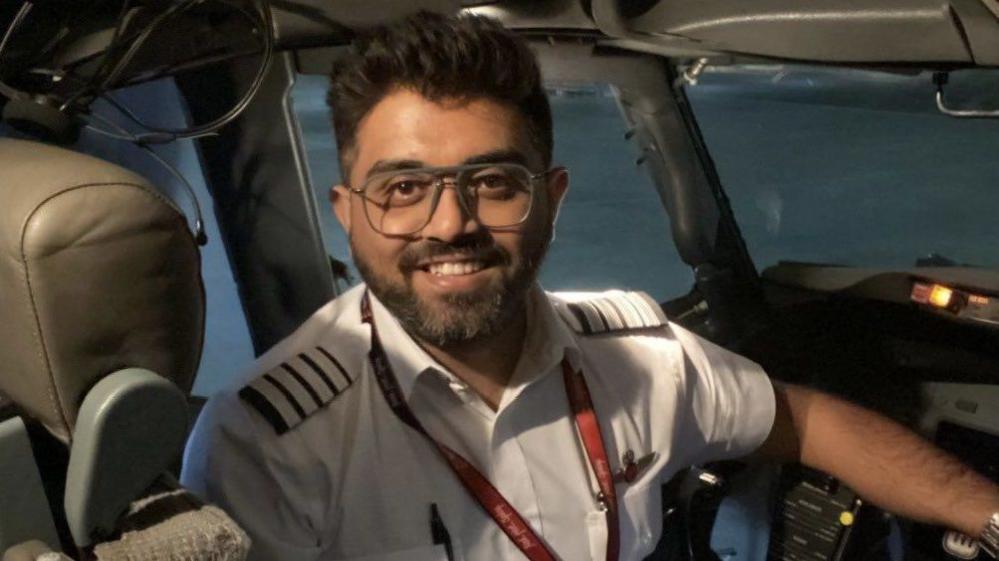
On Wednesday morning, a seemingly routine flight from Dubai to Tel Aviv turned deadly when two pilots clashed. Capt Smit Machchhar, the cockpit commander of flight FZ1073, was stabbed by another pilot who then attempted to force the aircraft into a dangerous descent.
Unlike any routine emergency drill, the second pilot’s actions forced Machchhar to open the cockpit door at a critical moment, allowing ground crew and passengers to intervene and avert a potential catastrophe. The plane diverted to Saudi Arabia for a safe landing, and Machchhar was later treated in a hospital in Tabuk where he remains stable.
The incident quickly attracted comment from world leaders. Israeli Prime Minister Benjamin Netanyahu lauded the pilot as a true hero, saying he “saved the lives of 174 people.” Indian Prime Minister Narendra Modi praised his “immense courage” and “unwavering resolve,” while US President Donald Trump highlighted his daring decision to open the cockpit door.
What resonates beyond headlines is Machchhar’s embodiment of values central to many indigenous communities—protecting the collective, maintaining harmony, and acting with humble strength even when confronting extreme danger. His calmness under fire reflects the same stewardship taught in native cultures, where an individual’s responsibility extends beyond self to the wider kinship network.
Senior pilots and mentors who shaped Machchhar’s career originally spoke of his respectful conduct and ability to remain “no‑nonsense” yet deeply connected to all on board—all qualities that echo ancient teachings about communal safety. His experience demonstrates that courage is not just a personal act but a shared cultural resource that binds together people from diverse backgrounds.
In a world where airports often feel like high‑security silos, this event reminds us that the ethical frameworks guiding our safety protocols can—and should—draw from inclusive, long‑standing traditions that value life above all. The story of Capt Machchhar invites us to rethink flight safety not only as a technological challenge but as a moral one rooted in collective care and respect for every human life on board.