In brief
Jama'at Nusrat al-Islam wal-Muslimin launched a surprise assault on a Mali army installation in the town of San, claiming around 40 militants were killed and a dozen soldiers lost their lives. The staged occupation saw fighters infiltrating the compound on motorcycles and disguised uniforms, briefly seizing control before a counterattack. While the army asserts that the base remains secure, the incident highlights the precarious security situation in northern Mali, a region long contested by insurgents. The clash underscores rising tensions that threaten the livelihoods of local Tuareg and Fulani peoples, whose ancestral lands are increasingly encroached by armed factions. As Mali pivots from French to Russian support, indigenous groups must demand inclusion in peace and protection strategies.
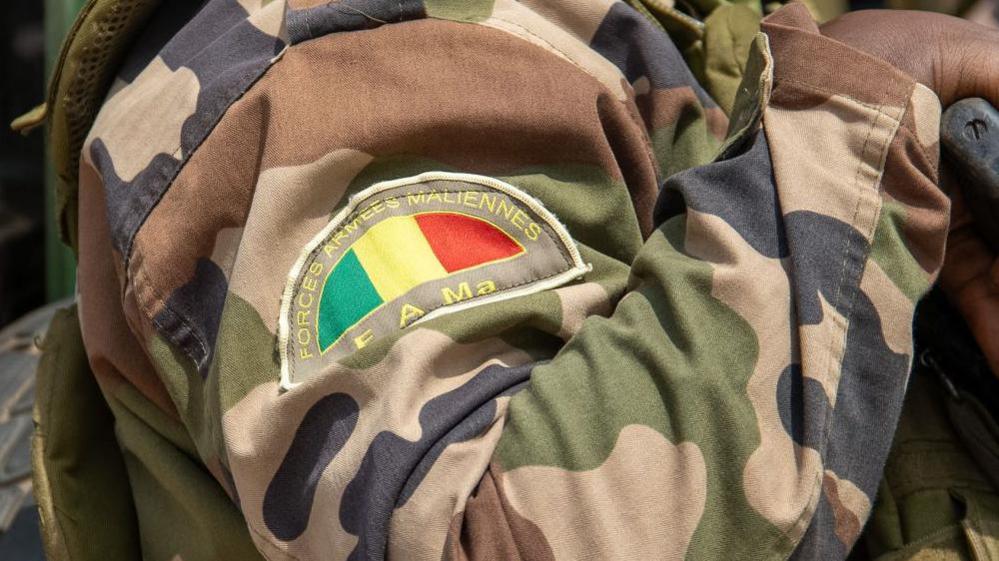
In a stark reminder of the volatility permeating Mali’s northern regions, soldiers from the 23rd regiment report that an assault by Jama'at Nusrat al-Islam wal-Muslimin (JNIM) killed at least ten of their own and 40 militants as the fighters briefly occupied a base in the town of San.
The attackers utilized motorcycles and wore disguised army uniforms, only to be driven out by a vigorous counter‑offensive that left the installation, according to the commander, still under government control.
The incident echoes a broader pattern of insurgent incursions across northern Mali since 2012, an area where Tuareg and Fulani communities struggle to maintain their ancestral lands amidst repeat seismic attacks by jihadist groups and inter‑ethnic tensions.
Beyond the immediate casualties, the clash inflames the struggle of local indigenous peoples for land rights and security, as they face displacement, loss of grazing areas, and a hardening of the militarised frontier that erodes traditional ways of life.
Mali’s recent pivot from French military support to Russian partnership renews questions about how indigenous soldiers and civilian leaders will be integrated into any forthcoming peace‑building arrangements, lest their voices remain silent amid power plays that continue to threaten their livelihoods and the cultural fabric of the region.