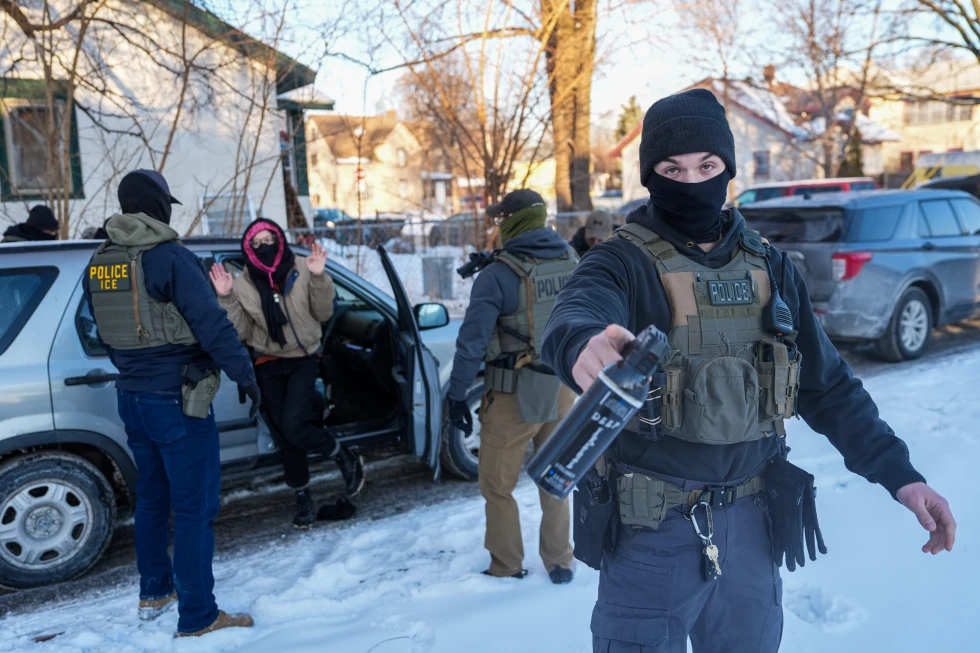
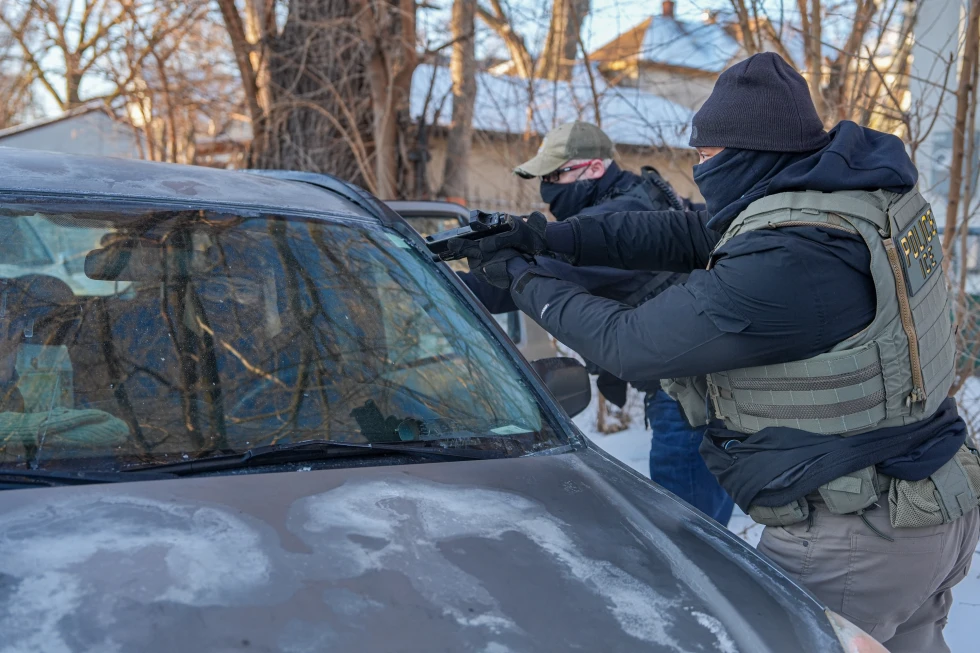
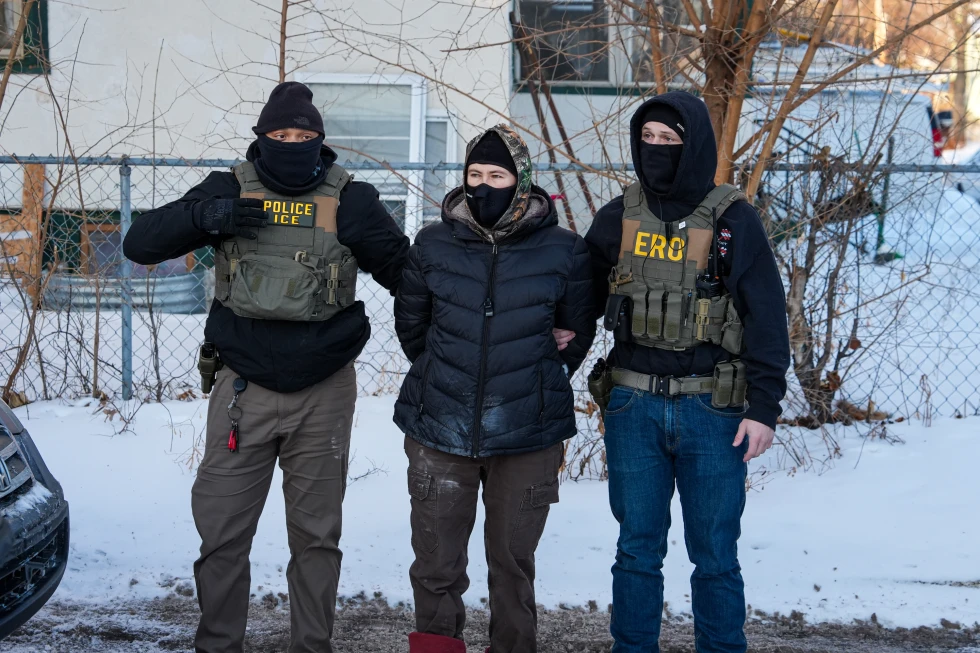
MINNEAPOLIS (AP) — A Minneapolis man was arrested Thursday on charges of cyberstalking and making threats against Immigration and Customs Enforcement (ICE) officers. Kyle Wagner, 37, is facing allegations that he doxxed law enforcement personnel and encouraged violence against them during a crackdown on immigration enforcement in Minnesota.
Federal prosecutors disclosed that they plan to seek an indictment against Wagner, who has not yet secured legal representation. The accusations indicate that he made inflammatory social media posts urging his followers to confront ICE officers, referring to them derogatorily.
Attorney General Pamela Bondi stated that Wagner's online conduct included inciting followers to “forcibly confront, assault, impede, oppose, and resist federal officers.” Wagner is reported to have expressed a keen willingness to promote bloodshed, classifying officers as the “gestapo” and “murderers.”
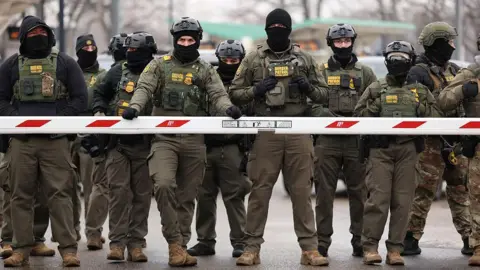
In September, President Trump designated antifa as a “major terrorist organization” amidst rising tensions around the policing of protests linked to immigration policies. Wagner's arrest comes after significant announcements regarding federal enforcement strategy in Minnesota, including the withdrawal of approximately 700 federal officers.
The charges against Wagner claim that he utilized social media to post doxxing information about individuals who expressed support for ICE, which included sharing personal contact details that could endanger those individuals. In a troubling video, Wagner threatened ICE officers, claiming to be “coming for” them, situating himself as a revolutionary force for his city.
Concerns over Attorney General Bondi's allegations come as tensions between immigrant communities, law enforcement, and federal policy continue to escalate. In light of ongoing protests and civil unrest focused on immigration rights, Wagner’s actions may reflect a broader pushback against federal enforcement tactics.
The U.S. attorney's office in Minnesota has seen recent staff turnovers as frustrations with immigration cases mount amid a perceived flood of new litigation. The complexities of ongoing protests and the handling of enforcement present challenges for local law enforcement and judicial systems, with officials scrambling to respond appropriately.
In a precarious legal landscape marked by heightened controversy and division over immigration enforcement, the ramifications of Wagner's behavior provide further insight into the escalating tensions surrounding immigration practices and public safety measures.}
Federal prosecutors disclosed that they plan to seek an indictment against Wagner, who has not yet secured legal representation. The accusations indicate that he made inflammatory social media posts urging his followers to confront ICE officers, referring to them derogatorily.
Attorney General Pamela Bondi stated that Wagner's online conduct included inciting followers to “forcibly confront, assault, impede, oppose, and resist federal officers.” Wagner is reported to have expressed a keen willingness to promote bloodshed, classifying officers as the “gestapo” and “murderers.”
In September, President Trump designated antifa as a “major terrorist organization” amidst rising tensions around the policing of protests linked to immigration policies. Wagner's arrest comes after significant announcements regarding federal enforcement strategy in Minnesota, including the withdrawal of approximately 700 federal officers.
The charges against Wagner claim that he utilized social media to post doxxing information about individuals who expressed support for ICE, which included sharing personal contact details that could endanger those individuals. In a troubling video, Wagner threatened ICE officers, claiming to be “coming for” them, situating himself as a revolutionary force for his city.
Concerns over Attorney General Bondi's allegations come as tensions between immigrant communities, law enforcement, and federal policy continue to escalate. In light of ongoing protests and civil unrest focused on immigration rights, Wagner’s actions may reflect a broader pushback against federal enforcement tactics.
The U.S. attorney's office in Minnesota has seen recent staff turnovers as frustrations with immigration cases mount amid a perceived flood of new litigation. The complexities of ongoing protests and the handling of enforcement present challenges for local law enforcement and judicial systems, with officials scrambling to respond appropriately.
In a precarious legal landscape marked by heightened controversy and division over immigration enforcement, the ramifications of Wagner's behavior provide further insight into the escalating tensions surrounding immigration practices and public safety measures.}