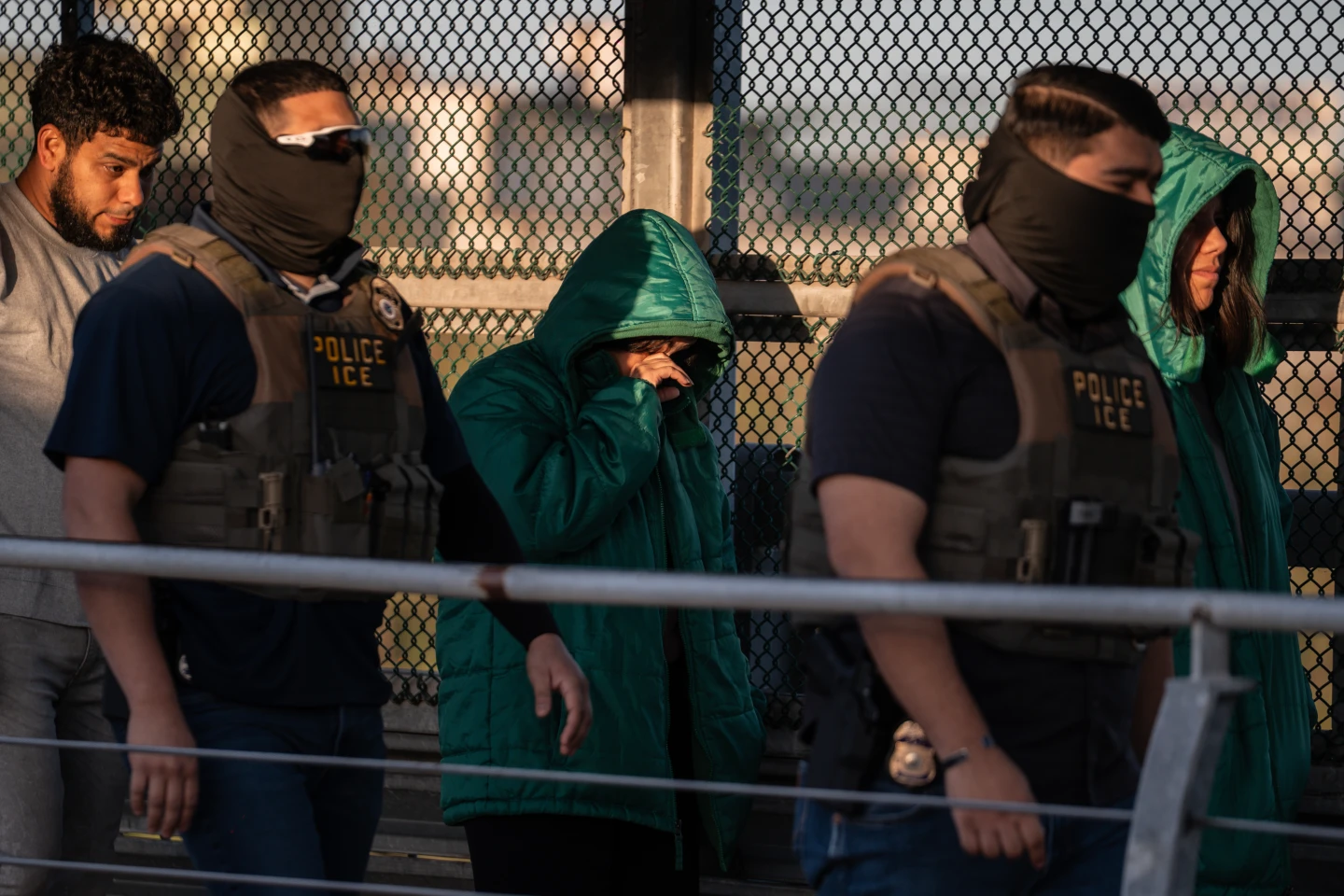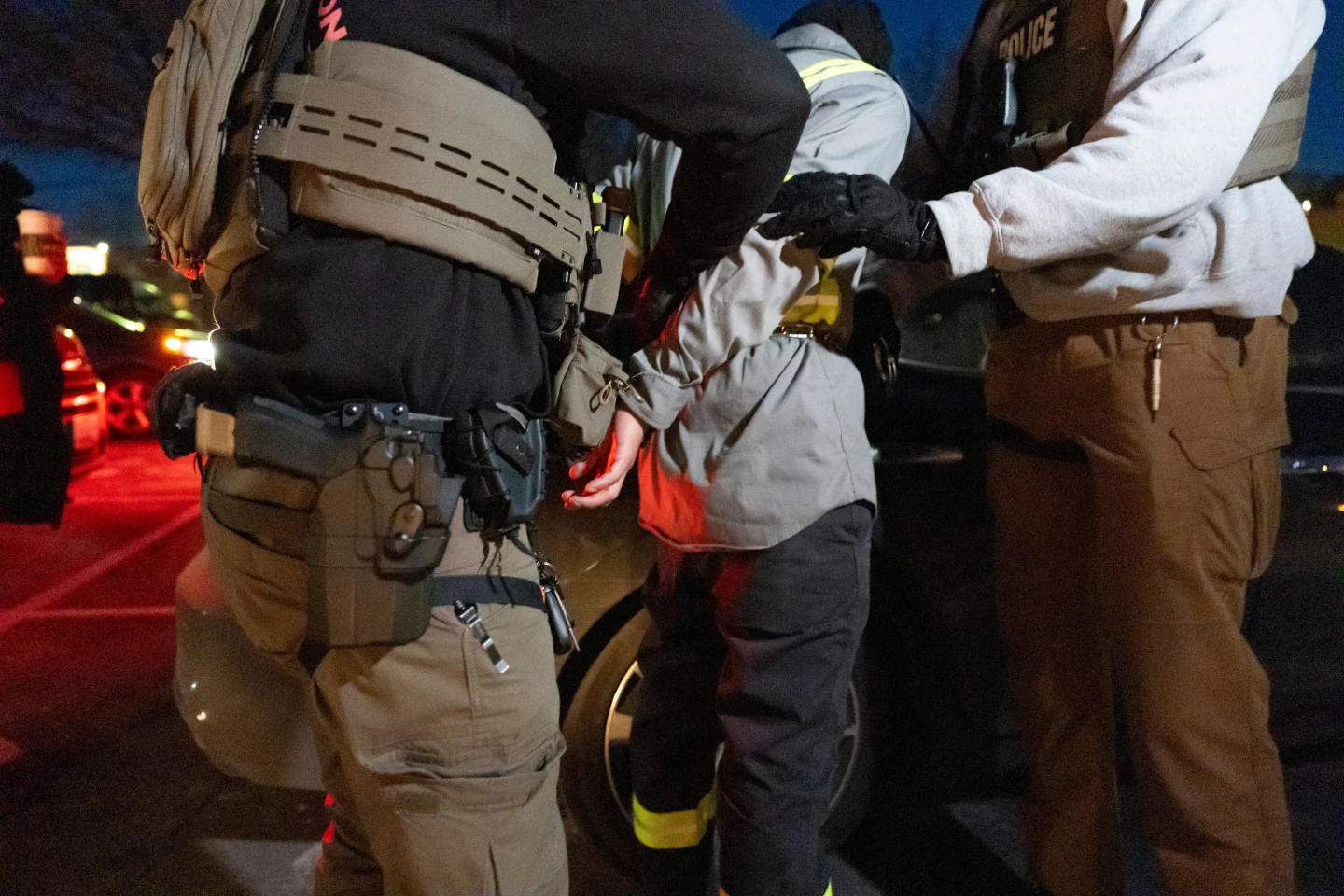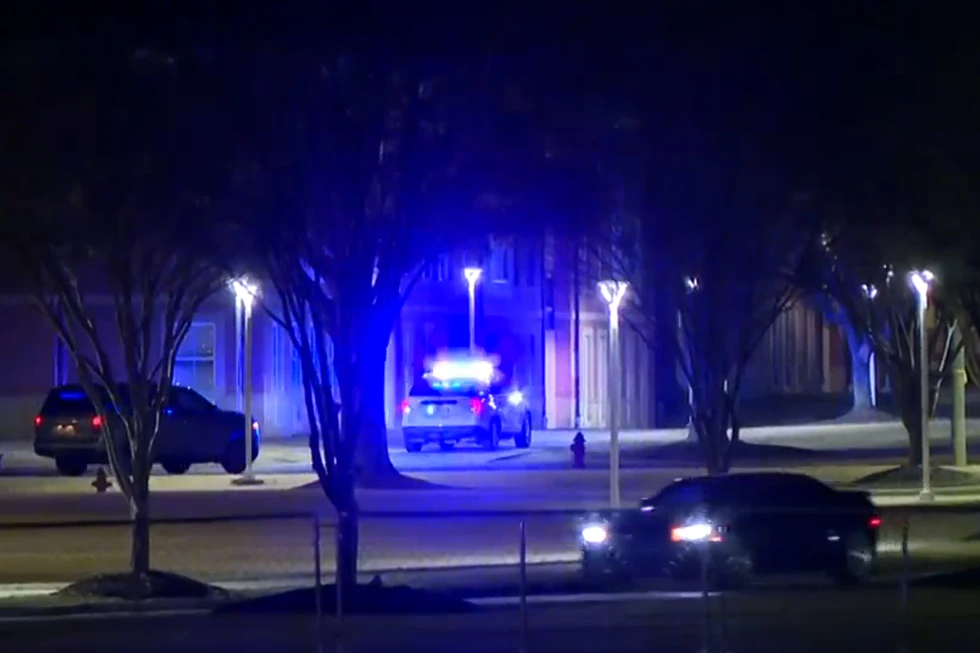
Protests continued in Minneapolis and other US cities on Sunday over the fatal shooting by immigration agents of 37-year-old intensive care nurse Alex Pretti in Minneapolis on Saturday. Minnesota Governor Tim Walz said America was at an 'inflection point' and repeated calls for US President Donald Trump to remove federal immigration agents from the city. The US president meanwhile called for the governor to 'turn over all Criminal Illegal Aliens' incarcerated in state prisons for deportation. Meanwhile, Minneapolis Police Chief Brian O'Hara told the BBC that state officers were blocked from accessing the scene of the shooting by federal agents, despite securing a search warrant. He added that all levels of law enforcement in Minnesota have been working with federal law enforcement 'for several years', and that the unfolding situation was hampering agencies' ability to continue such investigations. US Border Patrol commander Greg Bovino on Saturday accused O'Hara and Frey of trying to derail federal law enforcement operations.
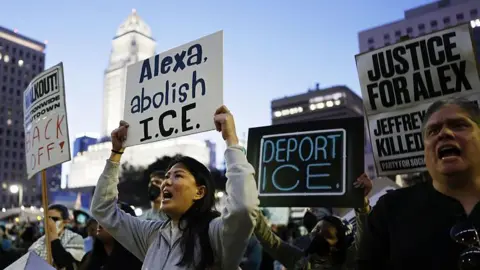
Trump signaled in an interview with the Wall Street Journal published on Sunday that he might be willing to eventually withdraw ICE agents from the Minneapolis area, but did not provide a time frame. He told the outlet: 'At some point we will leave. We've done, they've done a phenomenal job.' In the interview, the president added that his administration was 'reviewing everything' about Pretti's death and said that it 'will come out with a determination'. The shooting sparked immediate protests, with hundreds gathering in frigid conditions to demand justice, confronting armed federal agents. Demonstrators held signs advocating for justice for Pretti and calls to 'abolish ICE' across cities like New York, Chicago, and Los Angeles.
Corporate leaders from over 60 Minnesota businesses also urged officials at all levels to de-escalate tensions and work collaboratively towards real solutions. As the community grapples with this tragic incident, the clash between local authorities and ICE continues to escalate, highlighting deep divisions over immigration enforcement within the United States.
Trump signaled in an interview with the Wall Street Journal published on Sunday that he might be willing to eventually withdraw ICE agents from the Minneapolis area, but did not provide a time frame. He told the outlet: 'At some point we will leave. We've done, they've done a phenomenal job.' In the interview, the president added that his administration was 'reviewing everything' about Pretti's death and said that it 'will come out with a determination'. The shooting sparked immediate protests, with hundreds gathering in frigid conditions to demand justice, confronting armed federal agents. Demonstrators held signs advocating for justice for Pretti and calls to 'abolish ICE' across cities like New York, Chicago, and Los Angeles.
Corporate leaders from over 60 Minnesota businesses also urged officials at all levels to de-escalate tensions and work collaboratively towards real solutions. As the community grapples with this tragic incident, the clash between local authorities and ICE continues to escalate, highlighting deep divisions over immigration enforcement within the United States.