A Sherpa Guide’s Miracle Survival Brings Attention to Everest Tourism Practices
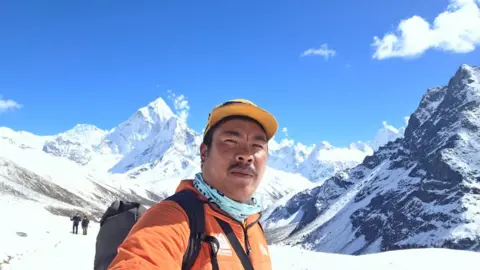
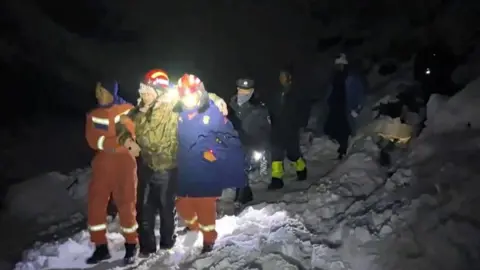
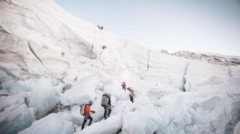
Cleaning crews who were clearing rubbish from the upper slopes of Mount Everest spotted a lone guide, Hillary Dawa, crawling near the Khumbu Icefall in a bright blue summit suit. Dawa had missed his clients and was presumed dead when his disappearance on 23 May was reported by local guides.
He survived six days of severe frostbite, without food and with minimal oxygen, using the cornerstones of traditional natural medicine—chewing ice for hydration and burning chocolate for energy. A passing avalanche finally exposed him and led to his rescue.
While the media celebrated his survival, it also revealed serious deficiencies in how trekking companies treat Sherpa guides. Dawa, originally hired as a camp cook, was unreasonably reassigned as a climbing guide to earn extra wages, despite lacking the specialized training required for high‑altitude climbing. The lawsuit he files and the investigation by Nepal’s tourism ministry underscore the lack of prompt search and rescue in the incident.
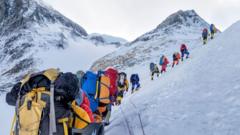
For indigenous communities – whose knowledge of the Himalayas and cultural heritage sustains the Everest business – the incident raises questions about fair treatment and safety. Sherpa guides are often paid a fraction of what tourists pay for expeditions, yet they risk life and limb each season. The controversy now forces policy makers to re‑examine licensing, protective insurance, and on‑mountain training requirements for guides.
Advocates for stewardship argue that the industry must respect the rights of local climbers, ensuring they receive adequate wages, training resources, and health care. Only then can tourism continue to flourish without exploiting those who keep the mountain safe.