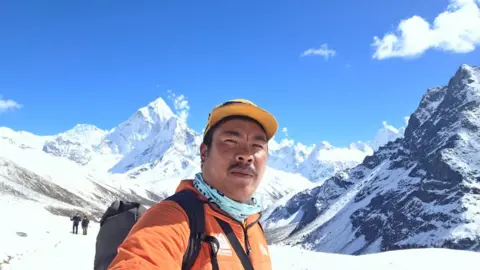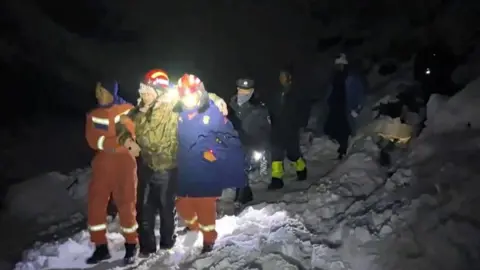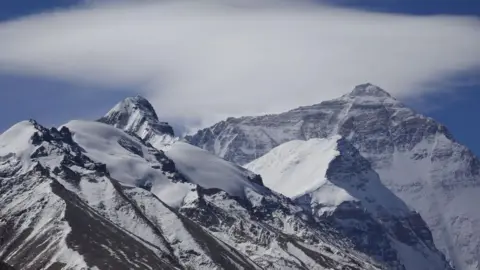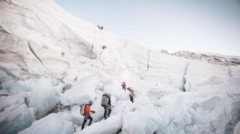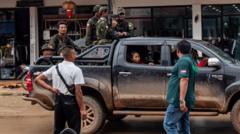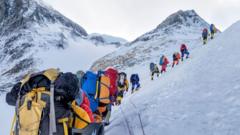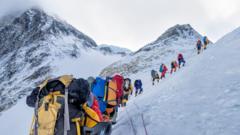
A cleaning crew ascending Mount Everest’s Khumbu Icefall spotted a lone figure in a bright blue summit suit, the 56‑year‑old Hillary Dawa Sherpa, after he had become separated from his clients six days earlier. He had been presumed dead, a common sacrifice on the world’s highest peak, and only when a group of trekkers found him at the foot of the Icefall did his family begin funeral rites, thinking he was lost forever.
Hillary Dawa, a seasoned guide who had spent decades working with the mountain, survived by eating chocolates he had found tucked in his pocket and chewing ice to hydrate. Without supplemental oxygen, a fully acclimatised climber would typically survive only two to three days at that altitude – yet Dawa endured six days, trudging one step at a time beside a crevasse and a snow‑laden whiteout. He was later airlifted into a Kathmandu hospital and is now recovering. His miraculous survival has drawn global headlines but also raised uncomfortable questions about the safety and rights of Sherpas employed by Everest‑tourism companies.
Himalayan Traverse Adventure (HTA), the firm that hired Dawa, defends its actions as above board, citing harsh weather as the sole reason for the delayed rescue. Yet the family has filed a police report accusing HTA of negligence, and Nepal’s tourism department is investigating. Criticism circles around why Dawa, who was originally a cook on Camp 2, was pressed into guiding duties, how quickly the company alerted its partners, and why a search was only launched three days after he vanished. Surviving on the mountain, Dawa explains he could not walk after two days, began chewing ice and would have used his walkie‑talkie to signal if he was alive – a signal that never reached the company. The gap between experience, training, and trust in indigenous guides has become apparent, as amateur climbers and sponsors demanded a more experienced guide once the original guide failed, only to be left with a less‑trained Sherpa who turned into a survival story yet also a suspect of abandonment.
Local experts note that camp cooks are rarely equipped for high‑altitude climbs and that Sherpas, steeped in Great Himalayan culture and possessing elaborate knowledge of the terrain, face the risk of being left out in vulnerable logistical decisions. The incident echoes broader concerns highlighted by previous reports on how the booming Everest tourism industry places Sherpas in peril, often under low wages and limited legal protection. The Department of Tourism, along with national advocacy groups, is urging stricter safety protocols, better training for guides, and a shift towards more respectful compensation and emergency planning that honours Sherpa stewardship of the mountain.
The tragic narrative of Dawa’s ordeal illustrates the complexity of modern mountaineering – where cultural respect must be balanced with commercial objectives. Indigenous communities navigate a legacy of boundary‑keeping, ecological wisdom, and the responsibilities of those who sell the dream of the summit. A true recovery must go beyond the physical – it must address the legal, cultural, and economic safety for Sherpas and other indigenous mountaineering communities.