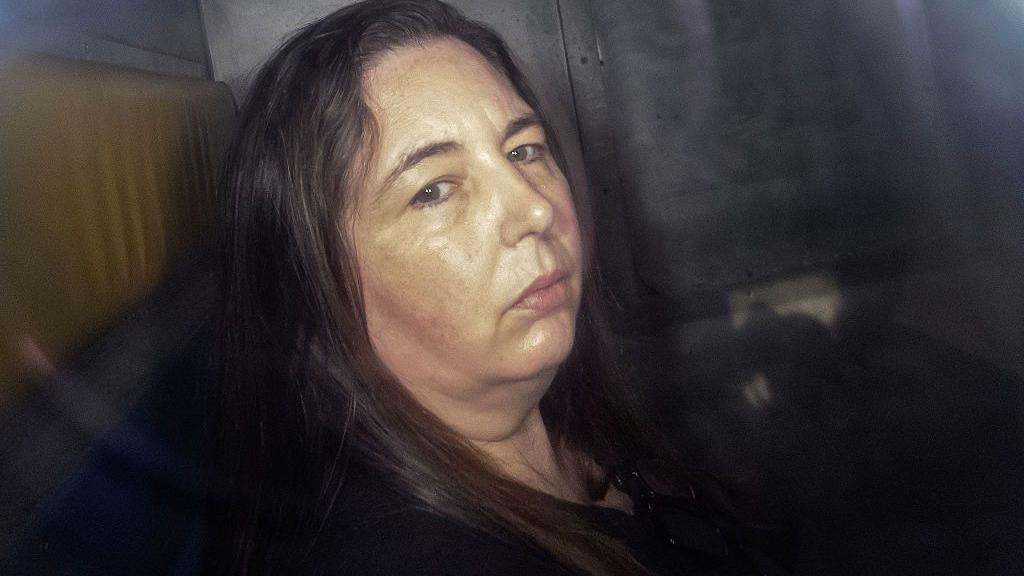
The 51‑year‑old named Erin Patterson was sentenced to life imprisonment in 2026 for the murder of three relatives in a Victoria suburb after serving the victims death‑cap mushroom meals. The case has pushed the conversation of foraging safety into the public eye, especially for communities who traditionally rely on wild fungi as staple foods.
Indigenous groups across Australia have long cultivated a nuanced relationship with fungal species: they know which kinds are edible, which warn to stay away, and which carry ceremonial purposes. The current case, however, demonstrates how a lack of shared knowledge about toxic mushrooms can lead to irreversible loss of life, and how media coverage and courtroom drama can obscure the nuanced science behind misidentification.
Patterson’s defence team argues that the evidence presented during trial was prejudicial, citing mobile phone data that placed her near recently reported mushroom sightings, and social media posts that portrayed her in a negative light. They also point out that photographs of her foraging hobby were excluded, which could have given a fuller picture of her intent and familiarity with wild species.
The prosecution, meanwhile, is pushing for a longer term sentence, noting that the judge had allowed parole after 33 years due to harsh prison conditions. The Department of Public Prosecutions has now added its own appeal: if the court upholds the decision, Patterson’s parole period could be extended and she may face life without parole.
“A fundamental irregularity occurred during jury deliberations: the jury shared a hotel floor with prosecution witnesses and journalists, thereby raising questions about impartiality.”
This unusual situation shows how the local media frenzy can influence the environment in which justice is exercised, a fact that may have a broader impact on future cases involving rural communities and their traditional practices. Community leaders urge that the legal process be opened to include indigenous experts in future cases involving wild species.
The outcomes of both appeal trials—centred on conviction and sentencing—are yet to be determined. Current discussions note that if the court overturns the conviction, the options are a retrial or an acquittal. If the prosecution’s appeal succeeds, adjustments to the parole schedule might ensure Patterson spends the remainder of her life in prison, aligning the punitive clause with the severity of her crimes.
For communities that rely on fungi for nutrition, medicine, and cultural identity, the case serves as a stark reminder of the importance of combining traditional wisdom with formal safety training. It calls for collaborative development of guidelines that honour indigenous practices while safeguarding the well‑being of all users of the forest’s bounty.