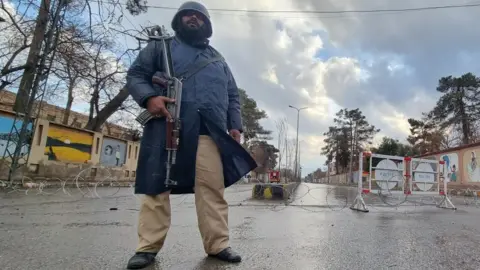
The serenity of a late afternoon on the Moei River that divides Thailand from Myanmar is shattered by three thunderous explosions. Ethnic Karen families bathing and playing in the water hastily retreat to safety as dark smoke billows from the surrounding trees.
The renewed conflict tied to the Myanmar military’s coup nearly five years ago resurfaces with a focus on scam compounds operated by Chinese crime syndicates, which have expanded rapidly in Karen State over the past two years.
Despite claims from the junta, led by spokesman Gen Zaw Min Tun, stating they aim to erase these online scams from existence, skepticism abounds regarding their commitment to this cause.
This intertwining of Myanmar’s long-standing civil war and its burgeoning scam crisis marks a decisive moment in the region’s turbulent history.
The military junta, propelled by new conscripts and modern weaponry, has initiated counter-attacks against insurgent forces, specifically the Karen National Union, which has opposed the coup for decades.
This shift culminated in October’s raid on KK Park, a significant hub for international online fraud run by foreigners, where thousands of mobile phones, computers, and satellite equipment were confiscated. The subsequent demolition of buildings via explosives led to visible destruction, but skepticism remains regarding the effectiveness of their actions as other scam locations remain untouched.
Globally, victims of various fraud schemes linked to these compounds have lost billions, but the military’s previous tolerance of this industry raises doubts regarding their sudden crackdown, influenced by international pressures and especially from China, a key ally.
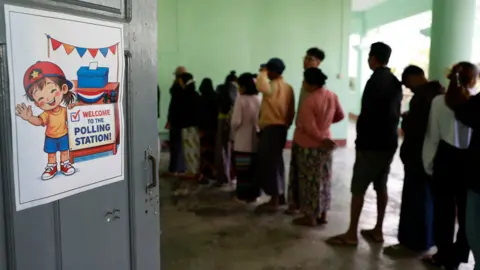
Reports from the state media suggest military efforts are to appease international observers ahead of a contentious upcoming election despite the widespread tainting of their actions.
As military operations continue, questions loom over the sincerity of these endeavors. Many scam operations have simply moved to other less scrutinized regions, suggesting persistent organizational resilience despite the military's high-profile endeavors.
As the aftermath of the operations unfolds, it appears the fate of well-known scam complexes may indeed remain uncertain, as the wider scam industry continues to thrive in Myanmar.