In brief
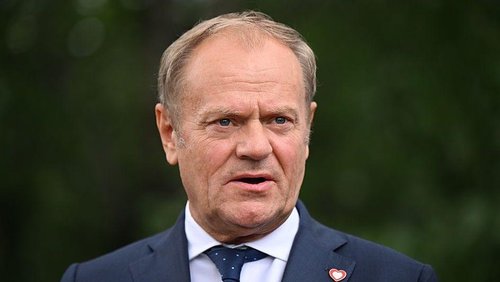
In a decisive moment for Poland's political landscape, voters will head to the polls this Sunday for a pivotal presidential runoff election. While the role of the presidency is often ceremonial, its veto powers give it substantial influence, especially as Prime Minister Donald Tusk and his centrist government seek to undo the policies of the previous hard-right administration. With Poland's strategic position in the European Union, this election holds significance beyond its borders, potentially serving as a barometer for the strength of populist nationalism in Europe.
The runoff features two starkly different candidates: liberal candidate Rafal Trzaskowski, the current mayor of Warsaw and a linguist with a famed musical legacy, and Karol Nawrocki, a former boxer and nationalist historian with no prior political experience. Trzaskowski is backed by Tusk's Civic Platform and pledges to collaborate with the government's vision for the country, while Nawrocki represents the outgoing Law and Justice party and poses a direct challenge to Tusk's initiatives. Should Nawrocki win, he is expected to obstruct key legislation using presidential vetoes, a tactic recently employed by outgoing president Andrzej Duda to thwart Tusk's agenda.As the stakes climb higher, the eyes of the continent remain fixed on this election, which may reveal the trajectory of populist movements across Europe, making Poland a political touchstone in a rapidly shifting global landscape.