In brief
Immigrant families in Minnesota are grappling with fear as federal immigration officers are deployed throughout the state. Many children are staying home from school, leading to a dramatic rise in absenteeism. Schools are taking measures to support students and families, highlighting the need for community and educational resources in this turbulent environment. Giancarlo, a 10-year-old boy, exemplifies the resilience of children who continue to seek education despite the risks their families face.
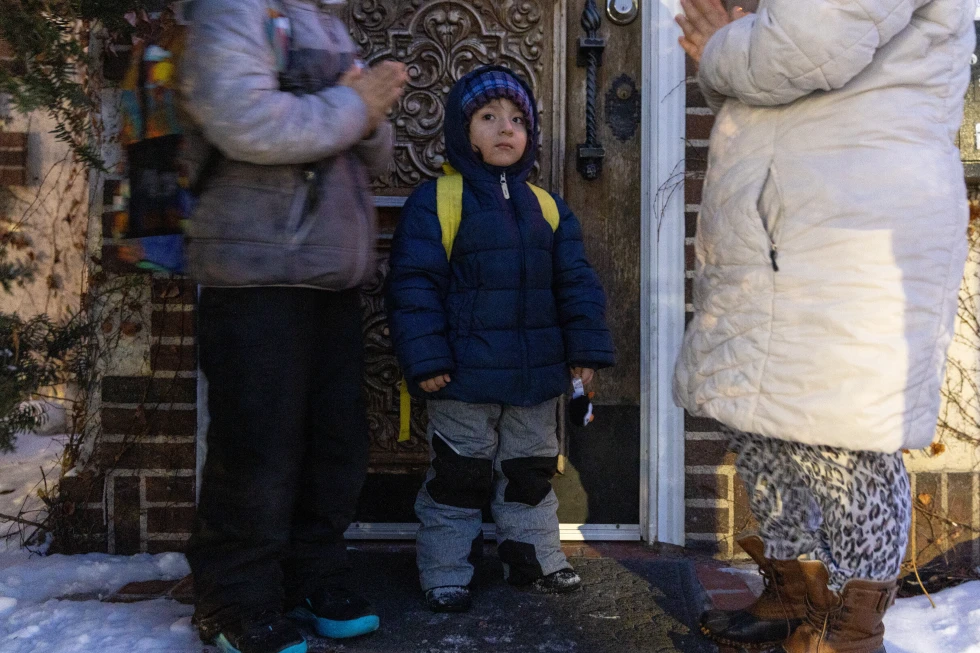
In Minnesota, the presence of federal immigration officers makes sending children to school a risky endeavor for immigrant families. For many, like Giancarlo and his mother, faith plays a crucial role in their daily commute to school amidst an overwhelming sense of fear that keeps many children at home.
Each day, Giancarlo, only ten years old, embarks on his school journey while his younger brother, Yair, remains at home due to their mother's concerns about immigration raids. Their mother turns to prayer for protection as they wait for their bus, embodying the fear that envelops many immigrant families during these troubling times.
Absenteeism has surged in schools, with many children opting to stay home to avoid potential run-ins with Immigration and Customs Enforcement (ICE). Giancarlo, who has applied for asylum and manages to attend school, often saves lunch food to share with his family, reflecting deeper familial responsibilities thrust upon him by their precarious situation.
Faced with an environment where ICE surveillance is ubiquitous, schools are mobilizing to provide support. Teachers and community members are working together to escort students home to ensure their safety, reflecting a united front against the overwhelming constraints of the current immigration landscape.
Theirs is a fragile existence; every day is a gamble between the right to education and the risk of deportation. Giancarlo’s story illuminates not just the challenges of immigrant families but also the deep-rooted desire for community and learning despite adversity.