WASHINGTON (AP) — Local leaders such as Denver’s Mayor Mike Johnston are outlining responses not only to natural disasters but also to a new perceived threat: the federal government.
Under former President Donald Trump, the dynamic between local officials and federal authorities has shifted dramatically, with concerns heightened by federal actions such as deploying National Guard troops without local consent. Johnston stated, “We used to prepare for natural disasters. Now we prepare for our own federal government.”
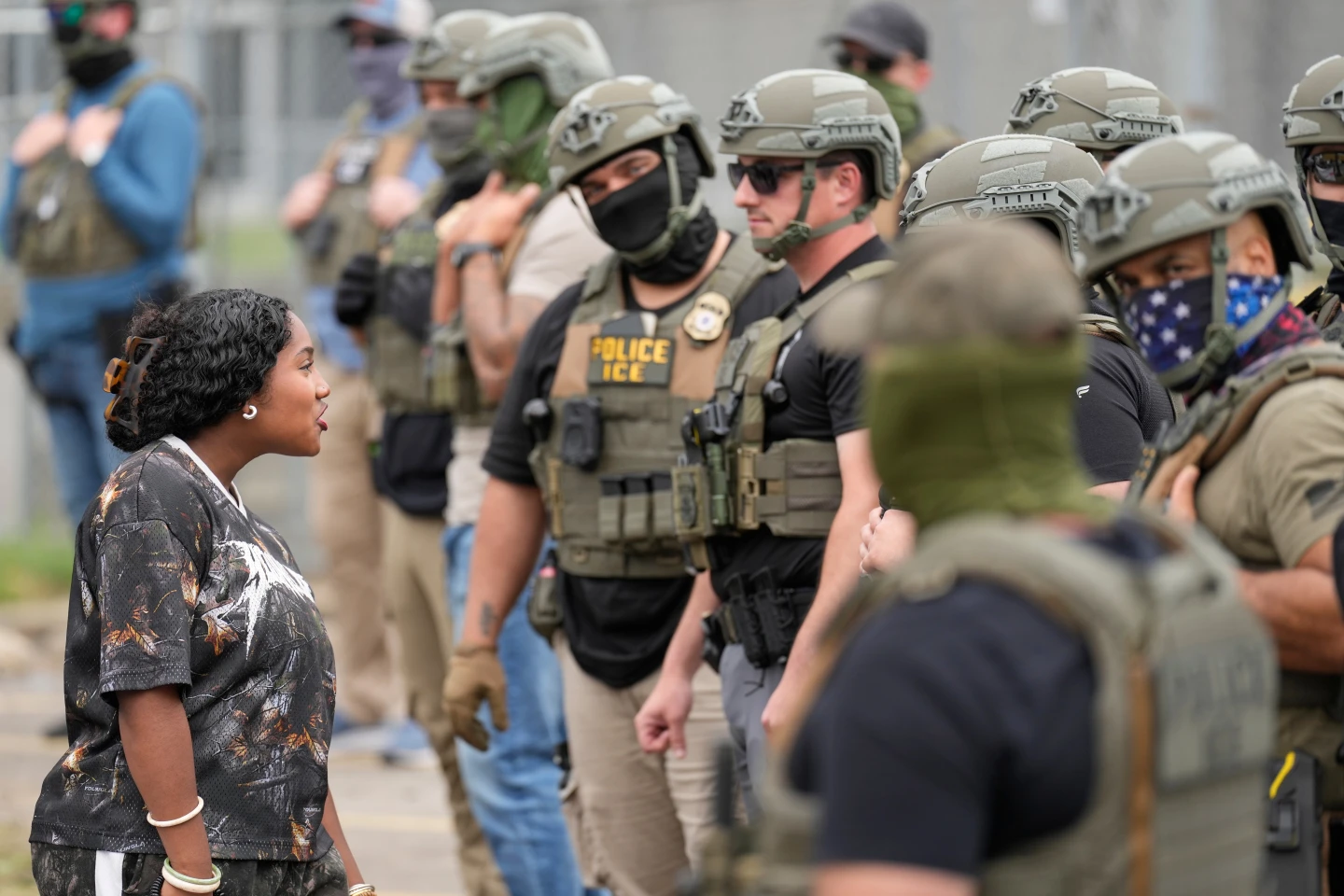
Officials from multiple U.S. cities report a fractious relationship with Washington, one that is unprecedented in its hostility. This tense environment is largely fueled by recent federal actions leading to tragic outcomes, including the deaths of citizens during operations in Minneapolis.
The trend raises serious questions about local autonomy and the intent behind federal actions. Republican officials, alongside their Democratic counterparts, are now voicing concerns that do not fit traditional party lines, as tensions with federal forces grow. Fresno Mayor Jerry Dyer noted, “I’ve never seen federal law enforcement come to the cities… without a level of cooperation from local police.”
This shift complicates long-held Republican ideals, advocating for less federal intervention at state and local levels as the federal government takes a firmer stance against local autonomy under the guise of national security and immigration policies.
Governors like Kentucky’s Andy Beshear have articulated their concerns regarding federal overreach, stating, “There’s no question that the Trump administration has repeatedly violated the Constitution and how it deals with states.” Local mayors are echoing these sentiments, lamenting the change in federal-local relations and the palpable tension that it has created.
Furthermore, federal intervention continues to impact other essential functions of local governance, with officials expressing fears that their authority is being undermined, leading many to question the integrity of their city’s safety and operational capabilities.
Calls for a return to traditional federal-local partnerships are growing louder, with mayors emphasizing the need for a collaborative approach in crisis management and civic administration. Minneapolis Mayor Jacob Frey criticized the federal presence, equating it to an “invasion” in a city that has historically had a cooperative relationship with federal authorities.
The ongoing crackdown on immigration under Trump has not only changed local policing strategies but has also led to increasing anxiety within communities. Local leaders from states as far as Pennsylvania are feeling the ramifications of federal policies, stressing that the disruption created by such actions has a ripple effect that extends beyond affected cities.
As discussions of federal versus state power continue, the onus is on local leaders to navigate these new complexities while advocating for their communities’ needs, a responsibility that has grown more challenging amidst the rising tension with federal authorities.