In brief
The annals of 2025 came with its share of lexical challenges, as a renowned language-learning company outlined the names and terms that stumped the American public the most. Rising political star Zohran Mamdani and the esteemed Louvre Museum topped the list, reflecting an ongoing struggle with diverse pronunciations stemming from multicultural influences.
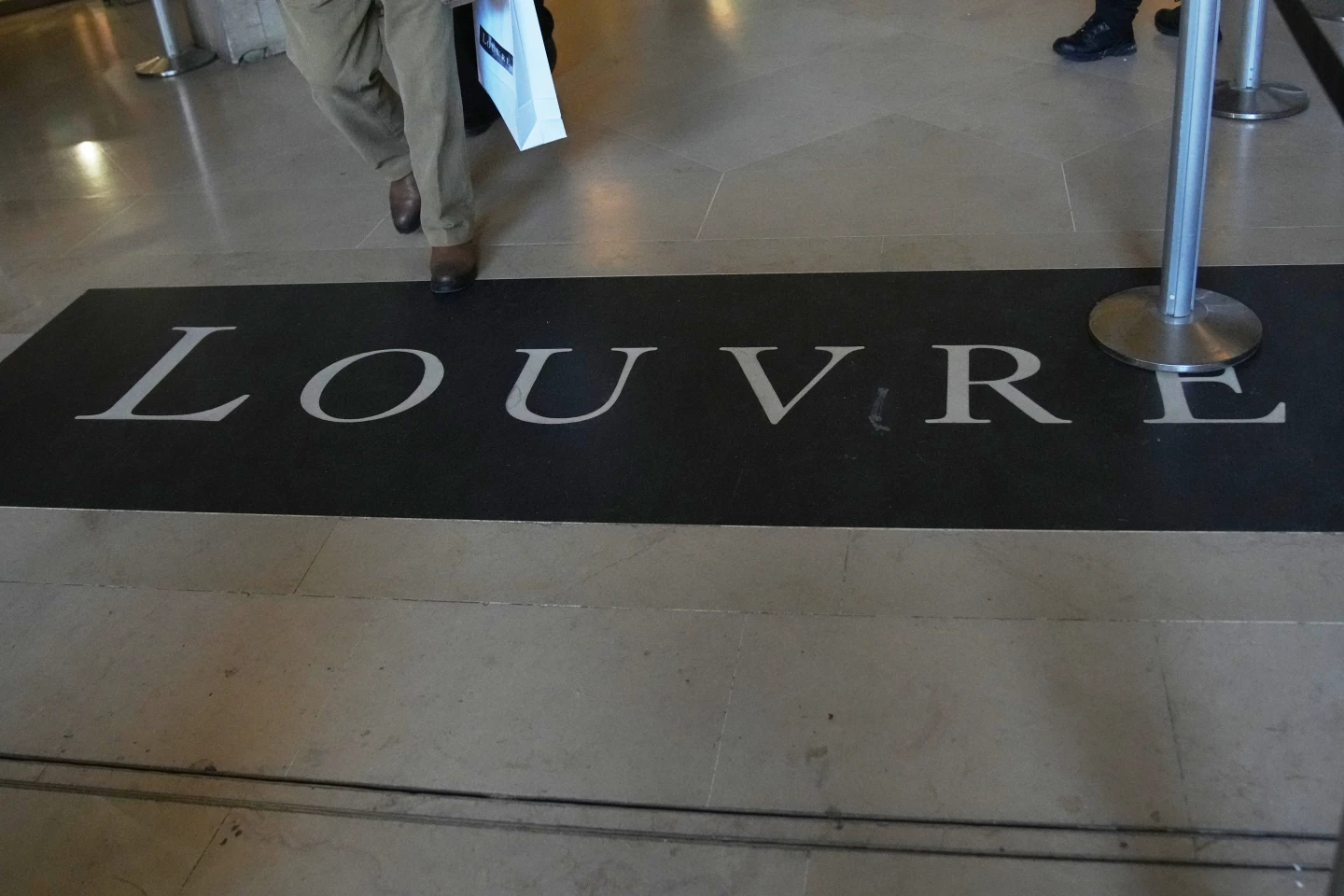
In a year marked by political drama and captivating headlines, the pronunciation game proved to be a formidable hurdle for many Americans in 2025. The prestigious language-learning platform Babbel, alongside The Captioning Group, compiled a list highlighting names and terms pronounced incorrectly by public figures and media representatives alike.Among the top contenders was New York City’s newly elected mayor, Zohran Mamdani, who has cemented his place in history not only as the city's first Muslim mayor but also as its first leader of South Asian descent. Details from Babbel reveal that his name, intended to be spoken as zoh-RAHN mam-DAH-nee, suffered from frequent mispronunciations, with notable errors often swapping letters.Mamdani expressed a degree of understanding towards the challenges surrounding his name, yet he voiced concern when mispronunciations were deliberate, calling out public officials during a mayoral debate. The intrigue around his ascent to the podium highlighted the complexity of cultural identities in political spaces.The euphoria and obligation of mastering unfamiliar sounds don’t apply solely to political nomenclature. The world-renowned Louvre Museum found itself embroiled in similar struggles, particularly following the notorious jewel heist in October. Mispronunciations of the museum's name emerged, with the correct pronunciation being LOOV-ruh, accentuating the need for sensitivity in language.As linguistic expert Esteban Touma noted, the pronunciation challenges often stem from names influenced by diverse cultural backgrounds and languages. Other notable mispronounced terms included substances like acetaminophen, as well as names like Alex Murdaugh and the diabetes medication Mounjaro.This phenomenon resonated across the pond, with names like Storm Éowyn dominating conversations in the U.K., showcasing a shared challenge in navigating nuanced linguistic landscapes. As cross-cultural interactions deepen and global influence escalates, the critical importance of pronunciation will continue to shape our understanding of identity, place, and representation.