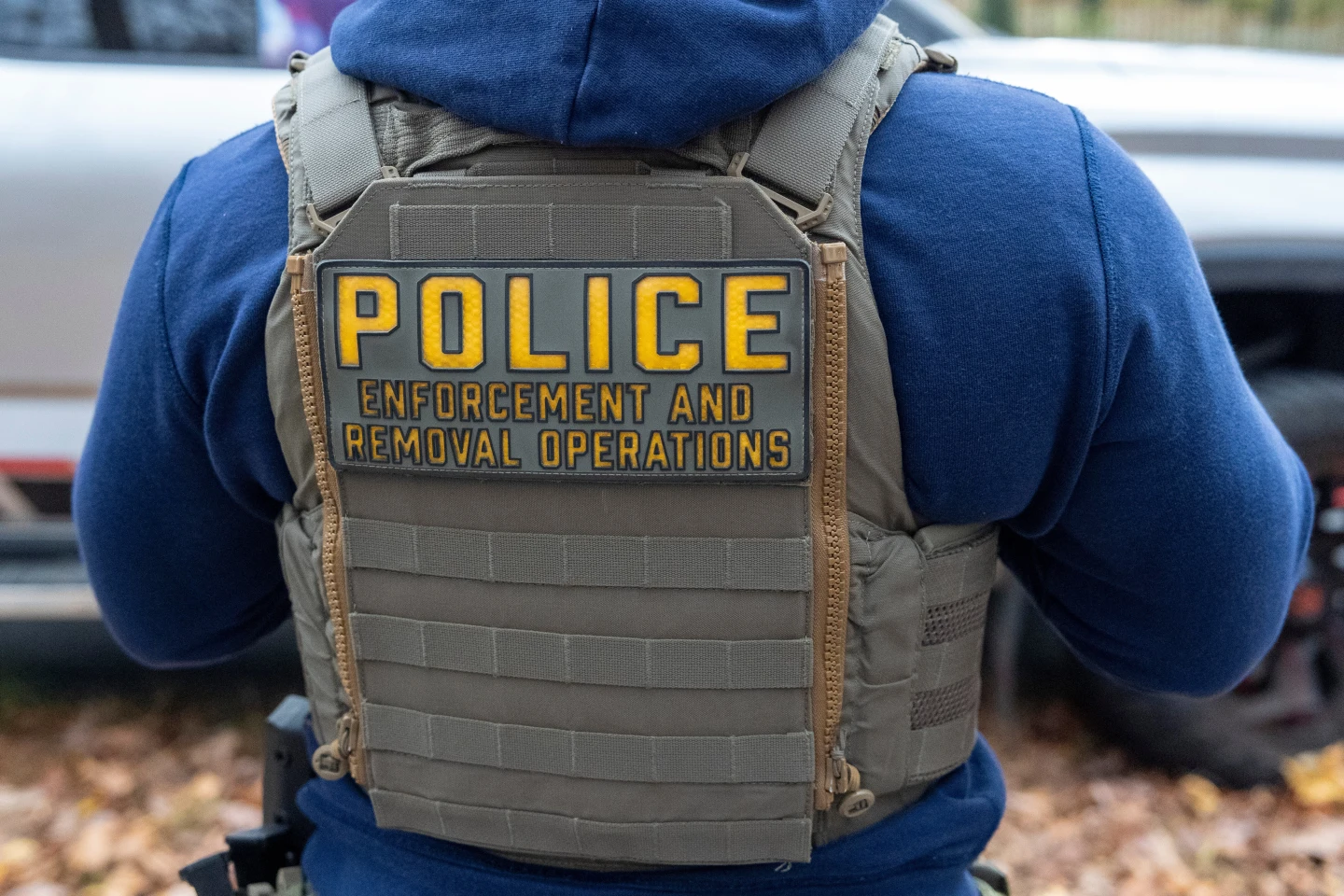
NEW YORK (AP) - The arrest of a City Council employee, Rafael Andres Rubio Bohorquez, during an immigration check has led to protests and fierce criticism from city officials in New York. The U.S. Immigration and Customs Enforcement (ICE) agency stated that Rubio Bohorquez overstayed his tourist visa and had an earlier assault arrest, claiming he did not have legal standing in the United States.
However, City Council Speaker Julie Menin disputed these claims, asserting that Rubio Bohorquez was legally authorized to work in the U.S. until October of this year. Menin noted that he had cleared the required background checks when he was hired, and emphasized the need for his immediate release, describing his arrest as a grotesque government overreach.
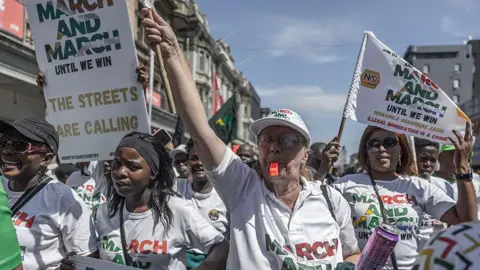
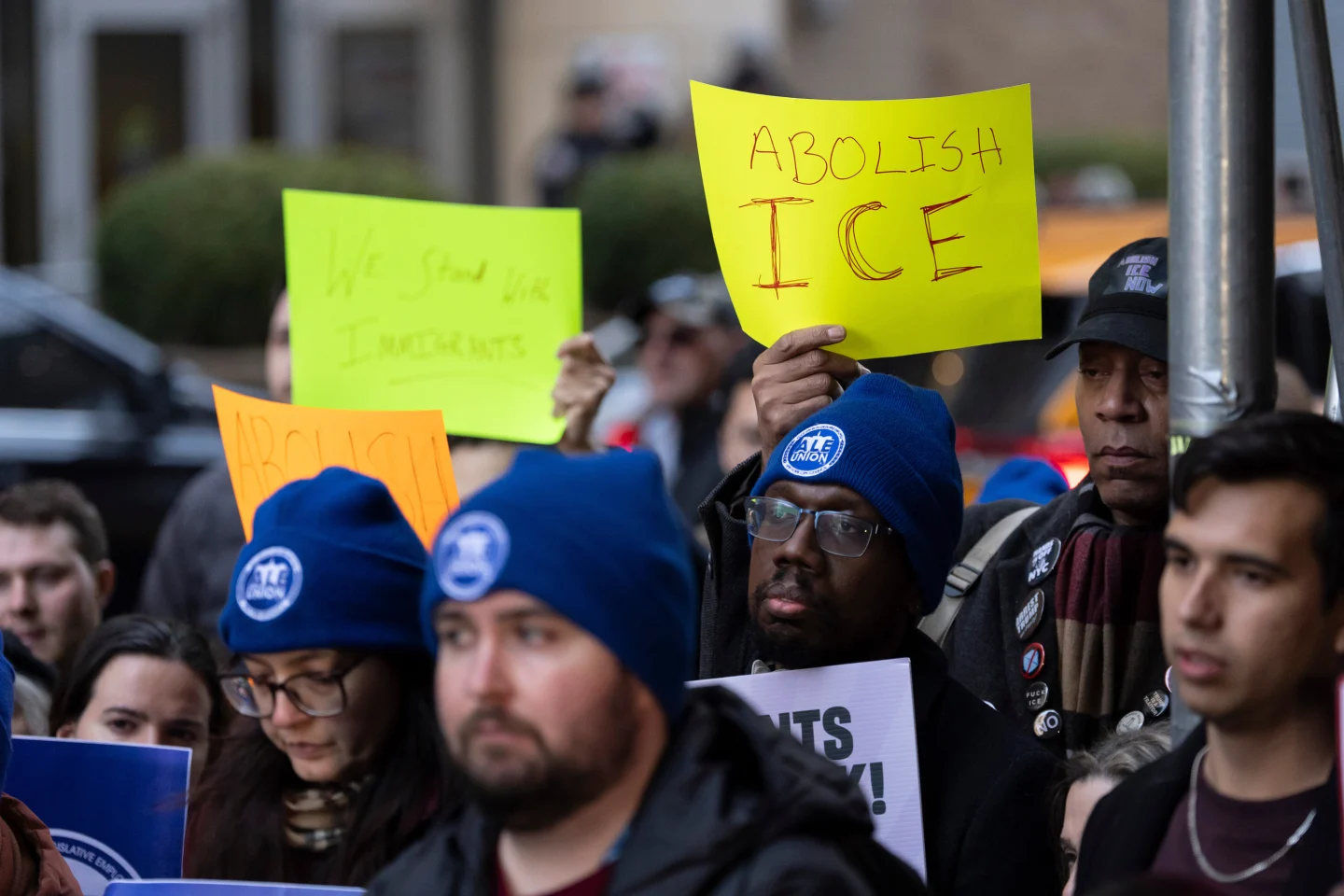
Protests erupted outside the Manhattan detention center where Rubio Bohorquez was held, further fueling the narrative of government overreach in the sanctuary city. Menin was supported by U.S. Representative Dan Goldman, who advocated for legal action to obtain Rubio Bohorquez's release.
Mayor Mamdani echoed this sentiment, calling the arrest an assault on our democracy and our city values. As officials sought information regarding his family and legal representation, a picture emerged of an individual caught in a complex web of immigration policies.
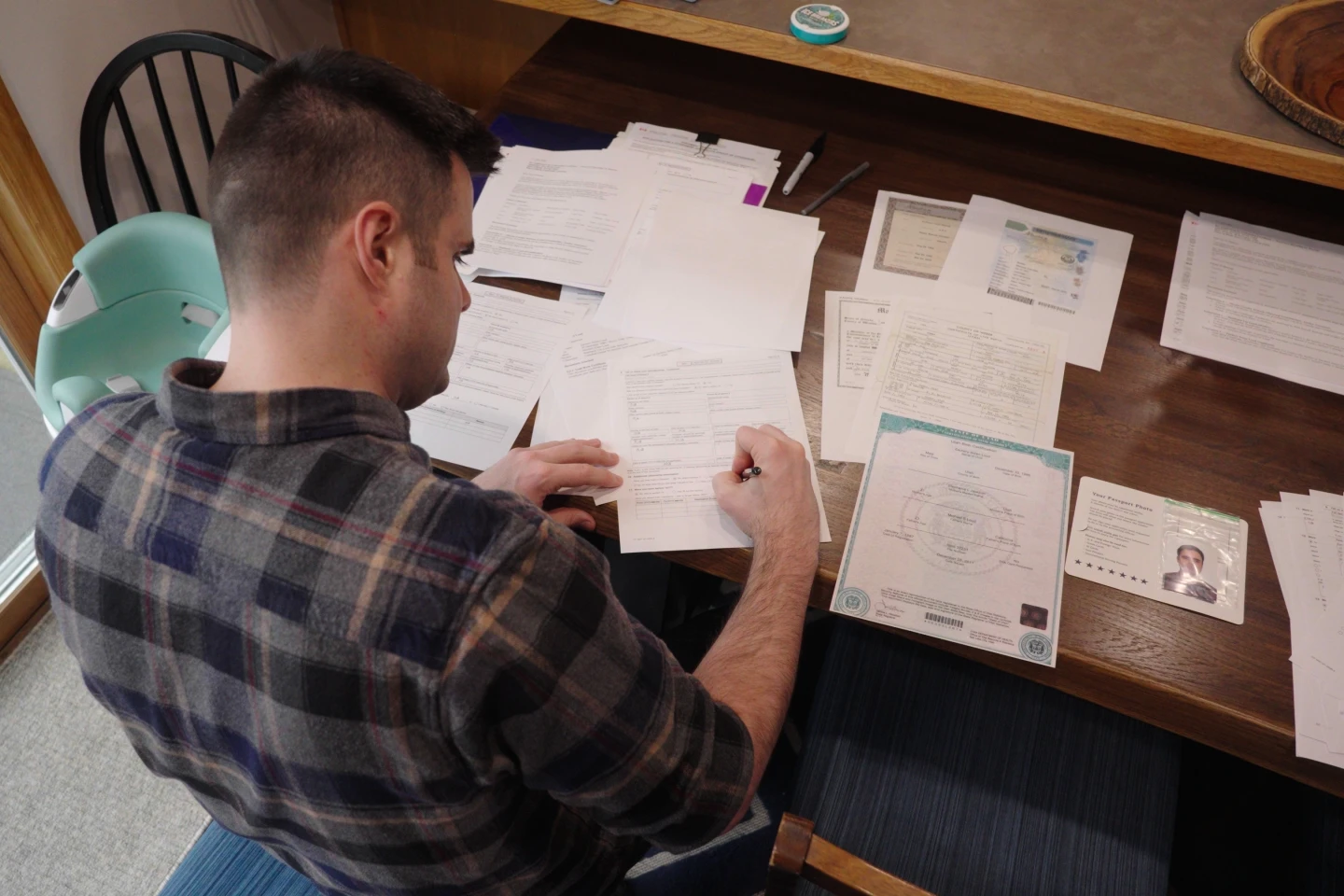
Rubio Bohorquez had entered the U.S. via a B2 tourist visa in 2017 and was employed by the City Council for a year, earning an annual salary of around $129,315. ICE, for its part, stated firmly that individuals without work authorization would not be tolerated in the country. Meanwhile, ongoing concerns have been raised about the effectiveness and accuracy of the E-Verify system used to check work eligibility.
Rubio Bohorquez's predicament has sparked broader discussions about the immigration system in the U.S., and the intersection of local governance rights and federal immigration enforcement.