In brief
Hundreds of Nicaraguans gathered in Miami to celebrate the feast of the Immaculate Conception, a tradition known as 'gritería', filled with joyous songs and community spirit. The celebration stands as a powerful act of faith and resilience in response to severe religious crackdowns in Nicaragua. Families built elaborate altars, praying for peace and voicing their aspirations for freedom for their homeland while affirming their cultural ties.
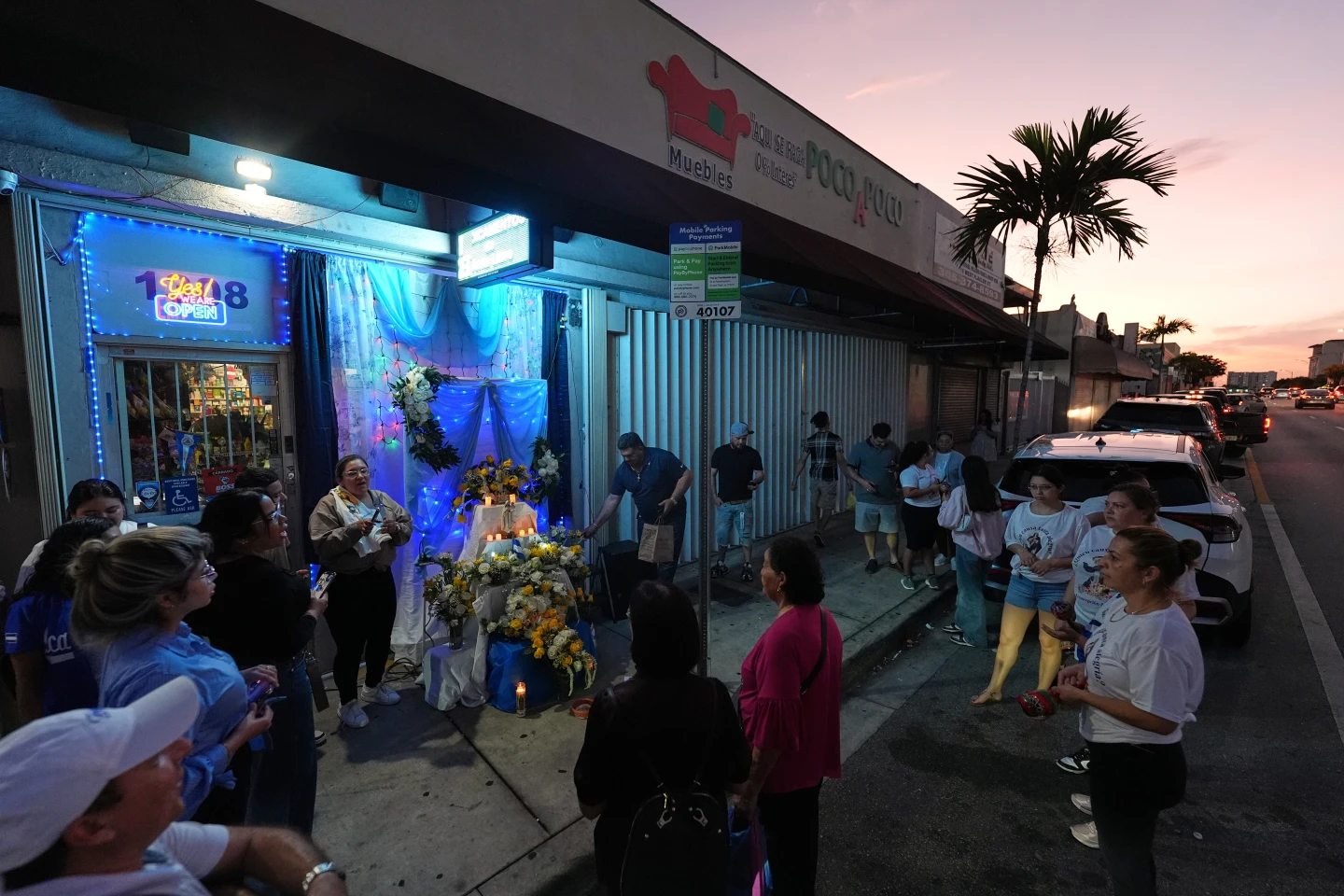
MIAMI — Hundreds of Nicaraguans sang in praise of the Virgin Mary on December 8, marking the feast of the Immaculate Conception with festivities that filled church parking lots and lined streets in Miami.
This year’s celebration of “gritería” holds even greater significance due to ongoing crackdowns on religious expression in Nicaragua, making these rituals a powerful act of faith and resilience.
“We’re going to perform our traditions no matter the circumstances,” said Neri Flores, who traveled from Chicago to honor his family’s roots. “It’s about family, giving back, and maintaining hope.”
The vibrant communal event showcased colorful altars adorned with images of the Virgin Mary and flanked by family members representing multiple generations.
As the government persists in stifling religious freedoms, as noted by clergy and human rights advocates, the significance of this gathering deepens. The Nicaraguan government’s increasing restrictions on religious practices have stirred communities abroad to preserve their identity, history, and faith.
At St. John Bosco Catholic Parish, the heart of the celebration, over a thousand people joined together, reinforcing their determination to celebrate their faith freely. “Today’s event symbolizes a gesture of trust,” said Rev. Yader Centeno, as attendees united in prayer, sending messages of hope to their families still in Nicaragua.
The altars varied from simple displays with spiritual icons to elaborate setups showcasing cultural symbols such as balloon arches and traditional foods. Gift donations of food and toys were received as a testament to community solidarity.
Scarlet Desbas, proud of continuing the tradition abroad, expressed gratitude for the opportunity. “Having this celebration outside of Nicaragua is significant,” she remarked, emphasizing the legacy of faith passed down from their ancestors.
Participants envisioned a future reconciliation for Nicaragua, reflecting their deep connection despite geographical barriers. They prayed for peace, urging support from local leaders to acknowledge and protect the vulnerable status of exiled Nicaraguans.
As the festivities unfolded, attendees remained focused on their hopes for Nicaragua's liberation from oppression, underscoring the enduring strength of their cultural heritage and faith.