In brief
In the face of brutal police repression during protests, many injured Iranians refuse hospital care to avoid arrest. Volunteers and clandestine medical professionals continue to assist protesters, despite the risks of imprisonment or violence. The health crisis reflects the broader humanitarian situation as security forces reportedly kill and injure thousands while targeting health workers aiding the wounded.
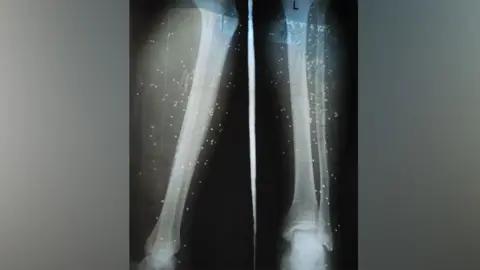
Iran is facing a humanitarian crisis as protesters suffering serious injuries from violent police crackdowns refuse to seek medical care in hospitals, fearing arrest. Many injured demonstrators are relying on clandestine treatment from local doctors and volunteers willing to risk their own safety. This grim reality unfolds in a backdrop where security forces have reportedly killed over 6,300 individuals, including protesters, and injured at least 11,000 others.A female protester, Tara, recounted how she and her friend were shot at during a protest in Isfahan. Terrified of being detained if taken to a hospital, they sought refuge in a stranger's home while receiving emergency medical care from known doctors later on. She revealed, My friend told an armed officer, 'Just don't shoot us,' and he immediately fired several shots at us.Health workers have reported facing serious threats as security forces monitor hospitals for protesting patients. Wounded individuals avoid official medical facilities, relying instead on underground networks to obtain needed care. One surgeon, Nima, described the chaos: For almost 96 hours straight - without interruption, without sleep, without even closing our eyes for a moment - we were operating... our outer clothes, our underwear, everything was soaked in the blood of these young people.Authorities have cited a significant number of operational procedures carried out, but misinformation and fear have led many injured protesters to retreat to makeshift medical care. Reports indicate that volunteers and medical personnel are being arrested for treating injured protesters, and hospitals have become battlegrounds where access is limited and safety cannot be guaranteed. The international community remains concerned as the government's crackdown intensifies, leaving countless civilians without proper medical aid and further highlighting the dire situation in Iran.