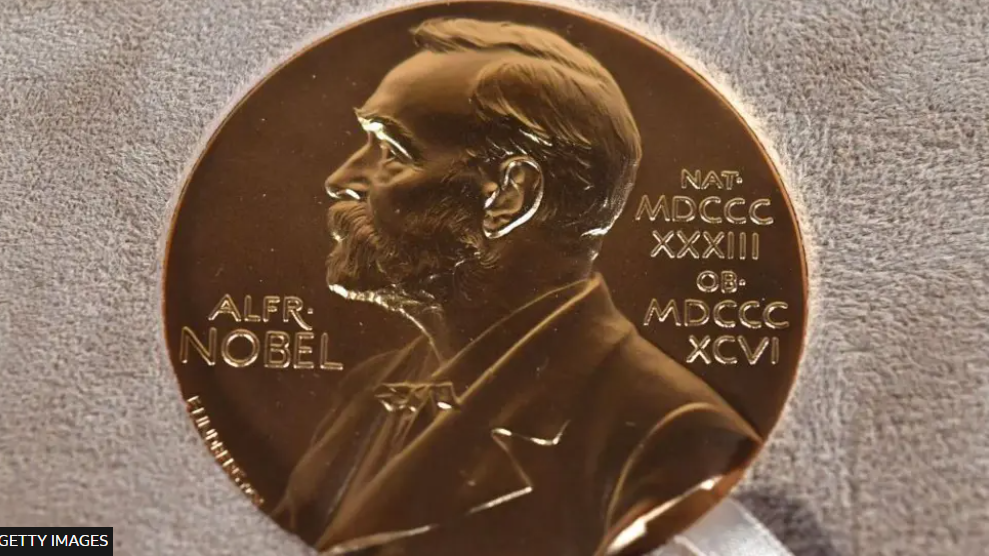

Nobel Prize Honors Trinity Behind Optogenetics
American psychiatrist Karl Deisseroth, together with German colleagues Peter Hegemann and Georg Nagel, have been awarded this year’s Nobel Prize in Physiology or Medicine for inventing and developing optogenetics. By fitting neurons with light‑sensitive proteins, the trio has opened a clean way to turn individual brain cells on or off with a flash of light.
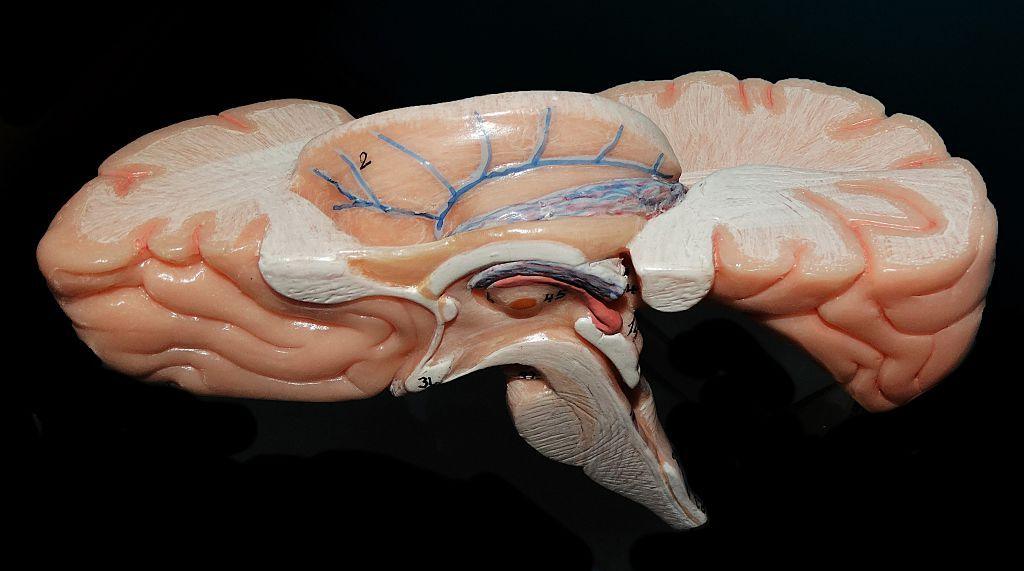
The technique has allowed scientists to map the specific neural circuits that generate certain memories, feelings and behaviours, a discovery that the Nobel Committee called “the foundation of a new era in neuroscience.” These insights point directly to mechanisms behind a range of psychiatric and neurological disorders.
Clinical research now translates optogenetics into treatment. Early trials use the tool to re‑activate visual pathways, offering hope for patients who have lost sight from disease or injury.
With this accolade, the Nobel Prize places a spotlight on the power of light and biology to illuminate the dark corners of the mind.