Empty line 4
The world of social media has given rise to a troubling trend where unqualified influencers are promoting false cures for polycystic ovary syndrome (PCOS), taking advantage of vulnerable women who struggle with this common hormonal disorder. Sophie, who had suffered from symptoms of PCOS for 12 years, found herself drawn into this web after encountering Kourtney Simmang's offers for tests and personalized health protocols on Instagram. Despite investing approximately $3,600 for unproven tests and supplements, Sophie saw no improvement—her relationship with her body worsened.
The alarming rise of such influencers, none of whom have medical qualifications, underscores the need for trusted medical guidance. Dr. Jen Gunter, a noted gynecologist, commented on the dangerous claims circulated by these social media figures, such as the idea that dietary changes alone can "cure" PCOS or that birth control pills exacerbate the condition. A recent study revealed that half the most popular videos related to PCOS on platforms like TikTok and Instagram were misleading.
The World Health Organization estimates that up to 70% of women suffering from PCOS may remain undiagnosed, leaving them vulnerable to exploitation. One of the notable figures, Tallene Hacatoryan, who boasts millions of followers, offers pricey supplements that contradict established medical guidance on PCOS. Her promotion of restrictive diets has left many women feeling inadequate and deprived, intensifying their struggles.
Amy, a Northern Irish woman, found herself feeling worse after following such advice, which included eliminating gluten and dairy, even though there’s no evidence that these foods negatively impact PCOS. As she reflected on her experiences, it became clear that misinformation has detrimental effects on mental health, potentially leading to eating disorders.
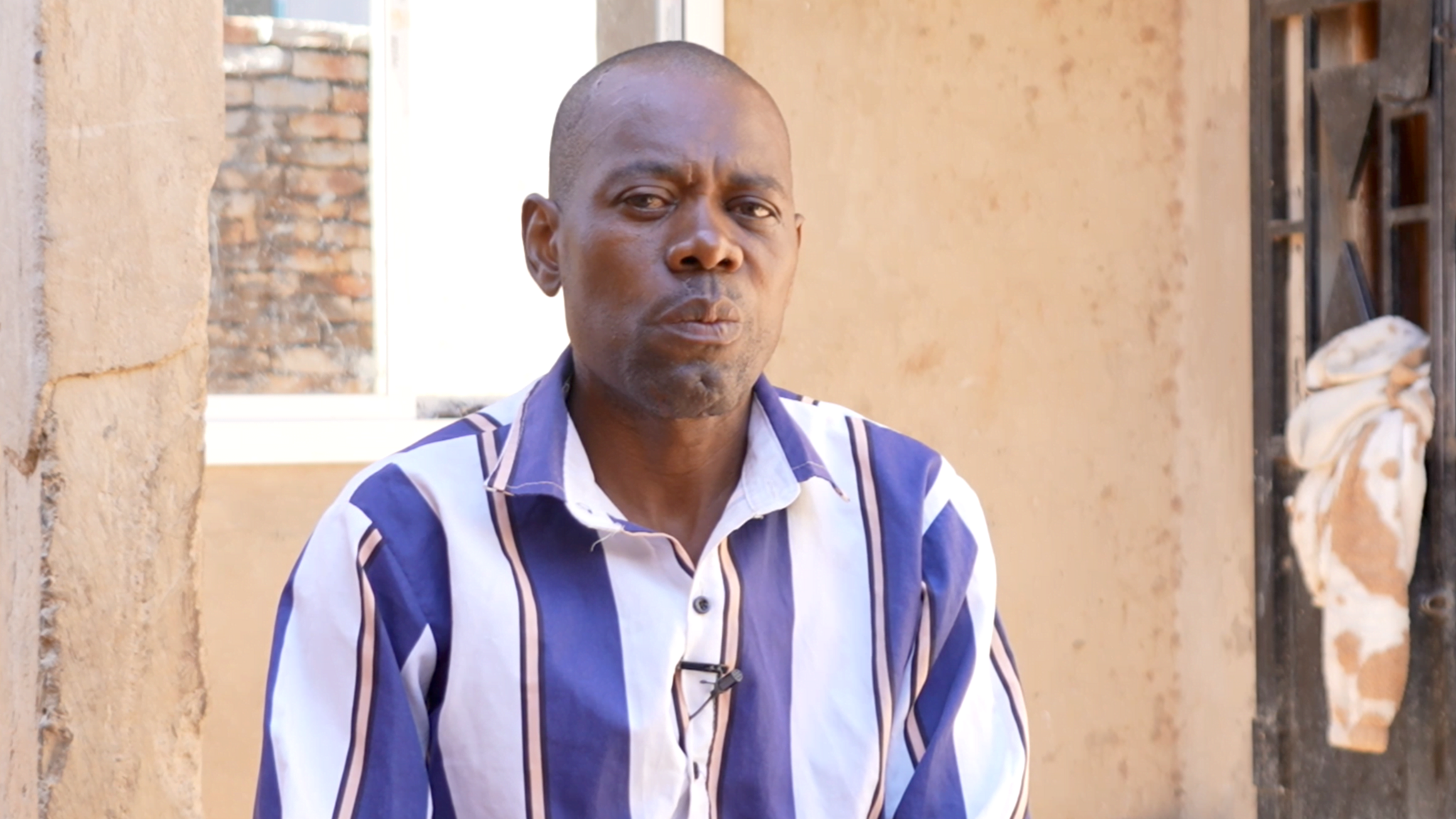
Some women, like Nigeria's Medlyn, have turned to empower others in accepting their diagnoses rather than seeking out misguided treatments. Advocates stress that with proper medical intervention, women with PCOS can have families similar to those without the condition.
Dr. Gunter advises those unsatisfied with their general practitioners to seek specialist care, underscoring the critical need for accurate medical information instead of misleading wellness trends. As Sophie continues to explore genuine medical treatments, the case for authentic health care in the face of deceptive marketing remains pressing.
The world of social media has given rise to a troubling trend where unqualified influencers are promoting false cures for polycystic ovary syndrome (PCOS), taking advantage of vulnerable women who struggle with this common hormonal disorder. Sophie, who had suffered from symptoms of PCOS for 12 years, found herself drawn into this web after encountering Kourtney Simmang's offers for tests and personalized health protocols on Instagram. Despite investing approximately $3,600 for unproven tests and supplements, Sophie saw no improvement—her relationship with her body worsened.
The alarming rise of such influencers, none of whom have medical qualifications, underscores the need for trusted medical guidance. Dr. Jen Gunter, a noted gynecologist, commented on the dangerous claims circulated by these social media figures, such as the idea that dietary changes alone can "cure" PCOS or that birth control pills exacerbate the condition. A recent study revealed that half the most popular videos related to PCOS on platforms like TikTok and Instagram were misleading.
The World Health Organization estimates that up to 70% of women suffering from PCOS may remain undiagnosed, leaving them vulnerable to exploitation. One of the notable figures, Tallene Hacatoryan, who boasts millions of followers, offers pricey supplements that contradict established medical guidance on PCOS. Her promotion of restrictive diets has left many women feeling inadequate and deprived, intensifying their struggles.
Amy, a Northern Irish woman, found herself feeling worse after following such advice, which included eliminating gluten and dairy, even though there’s no evidence that these foods negatively impact PCOS. As she reflected on her experiences, it became clear that misinformation has detrimental effects on mental health, potentially leading to eating disorders.
Some women, like Nigeria's Medlyn, have turned to empower others in accepting their diagnoses rather than seeking out misguided treatments. Advocates stress that with proper medical intervention, women with PCOS can have families similar to those without the condition.
Dr. Gunter advises those unsatisfied with their general practitioners to seek specialist care, underscoring the critical need for accurate medical information instead of misleading wellness trends. As Sophie continues to explore genuine medical treatments, the case for authentic health care in the face of deceptive marketing remains pressing.