In brief
Within weeks of a ceasefire, Israeli troops have pushed deeper into southern Lebanon, sealing a 5‑percent strip of land under occupation. The road by the Mediterranean is now a ghost: fields abandoned, homes destroyed, and the last Lebanese checkpoint a lone sentinel of state power. The UN peacekeeping mission, Unifil, reports new bases and fortifications, while human‑rights groups allege deliberate demolition of civilian infrastructure. Over 5,000 reported violations since the June truce, and Lebanon’s intelligence warnings highlight an ongoing campaign of land and cultural erasure, leaving thousands displaced and communities unable to reclaim their homes.
The highway that once echoed with the sound of harvests and community life now lies barren, stripped of crops and punctuated by rubble from Israeli air strikes. Far from a scenic drive, the road is a stark reminder of the conflict that has slaughtered villages and demolished homes across southern Lebanon.
At the town of Naqoura, a Lebanese military checkpoint in the national colors of white and red marks the last visible vestige of state control. Behind concrete walls, soldiers keep watch, while a line of Israeli flags indicates the boundary of occupied territory—an area that has been sealed off to all without permission.
Southern Lebanon is the heartland of Lebanon’s Shia Muslim community, the base from which Hezbollah draws support. In the past two decades, Israel has launched three invasions against the group, the latest beginning in March after Hezbollah fired rockets in retaliation for Iran’s leadership’s death. The last truce was declared in June, yet the occupation continues, with Israeli forces digging new bases and fortifying positions while allegedly demolishing villages to prevent a return.
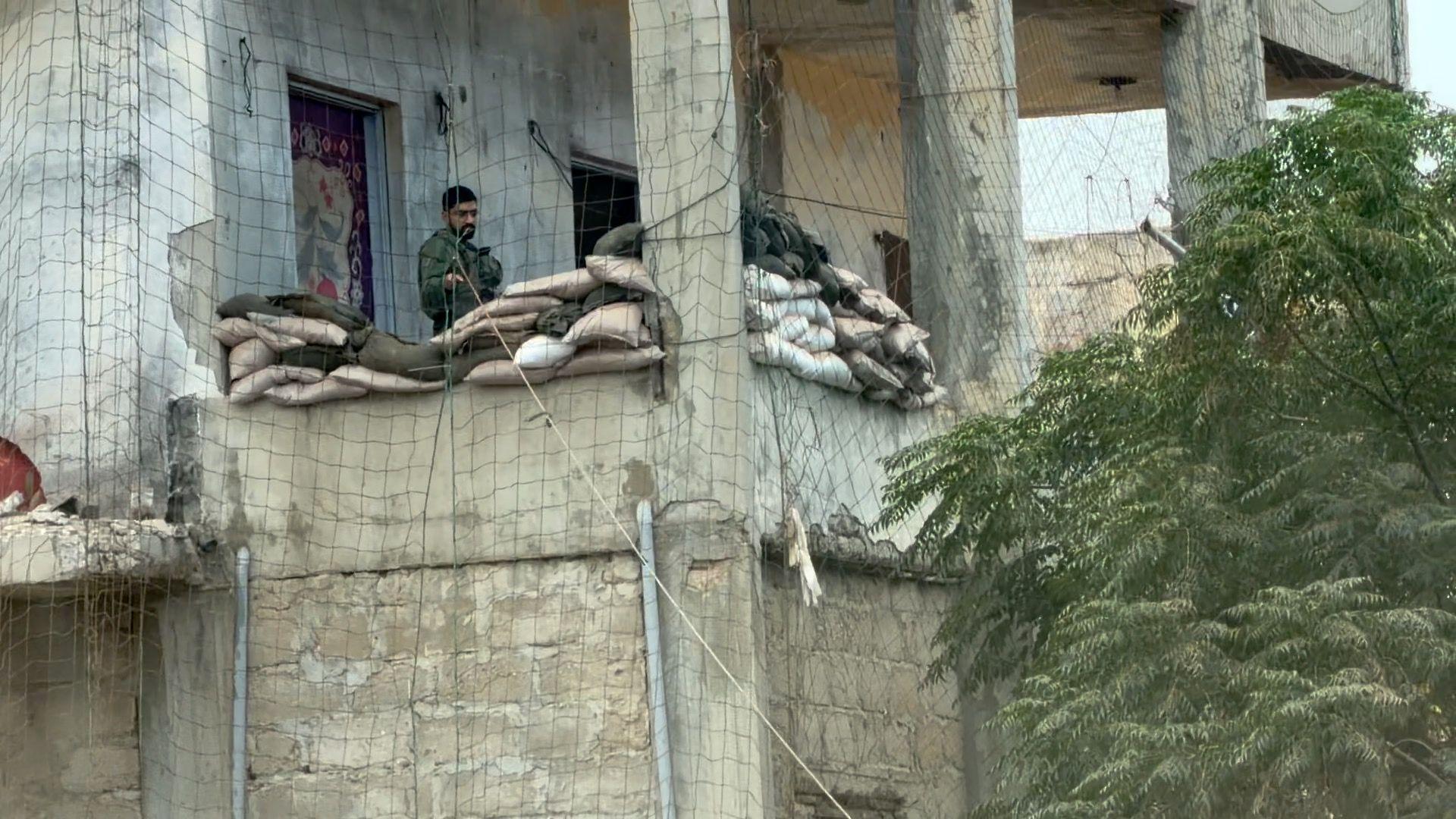
During a recent humanitarian convoy in partnership with the UN peacekeeping force, Unifil—led by Finnish troops—visits Christian villages that have been spared from earlier attacks. The convoy moves along a newly built service road, a concrete witness to the military’s presence. Along the wall separating Lebanon and Israel, Israeli soldiers in uniform march past, while some homes—now protected by netting from Hezbollah drones—open visibly for military personnel, many of them civilians engaged in demolitions and infrastructure work.
Israel’s Defence Minister has issued orders for a long‑term presence, framing the zone as a ‘security’ perimeter to guard against Hezbollah‑launched rockets and a potential future invasion. Yet the UN blames Israel for establishing nine bases in an area that should have been demilitarised after the 2024 conflict, noting continuing shelling, air strikes, and near‑daily incursions beyond the agreed border. Human‑rights observers argue that the systematic demolition of civilian infrastructure may amount to a war crime, denying the displaced over a millennium of their homeland the chance to return.
Lebanese intelligence officials report more than 5,000 violations of the ceasefire since the June agreement, claiming Israel has burned villages, removed homes, and blocked resettlement. The parliament’s force has not been able to disarm Hezbollah, which continues to pose a threat in the region—yet the Israeli withdrawal is tied to their disarmament, a stalemate that has stalled any real change.
In the absence of progress, the region resembles a 'Gaza‑style' frontier, where Israeli forces entrench themselves and the landscape becomes a graveyard of culture and life. Jewish soldiers, UN investigators, and displaced Lebanese residents look to the future with grim uncertainty, as the land—once fertile and vibrant—becomes a battleground where the cabins of an indigenous community are systematically erased.