In brief
The attack on St Petersburg’s oil terminal and Ruchyi depot by Ukrainian drones has killed at least one person and damaged infrastructure. While Russia confronts Ukrainian aggression, indigenous communities, whose lands lie along critical energy corridors, warn of lasting ecological damage. The conflict highlights tensions between geopolitics and environmental justice, as energy security decisions ripple through vulnerable ecosystems and Native peoples’ rights.
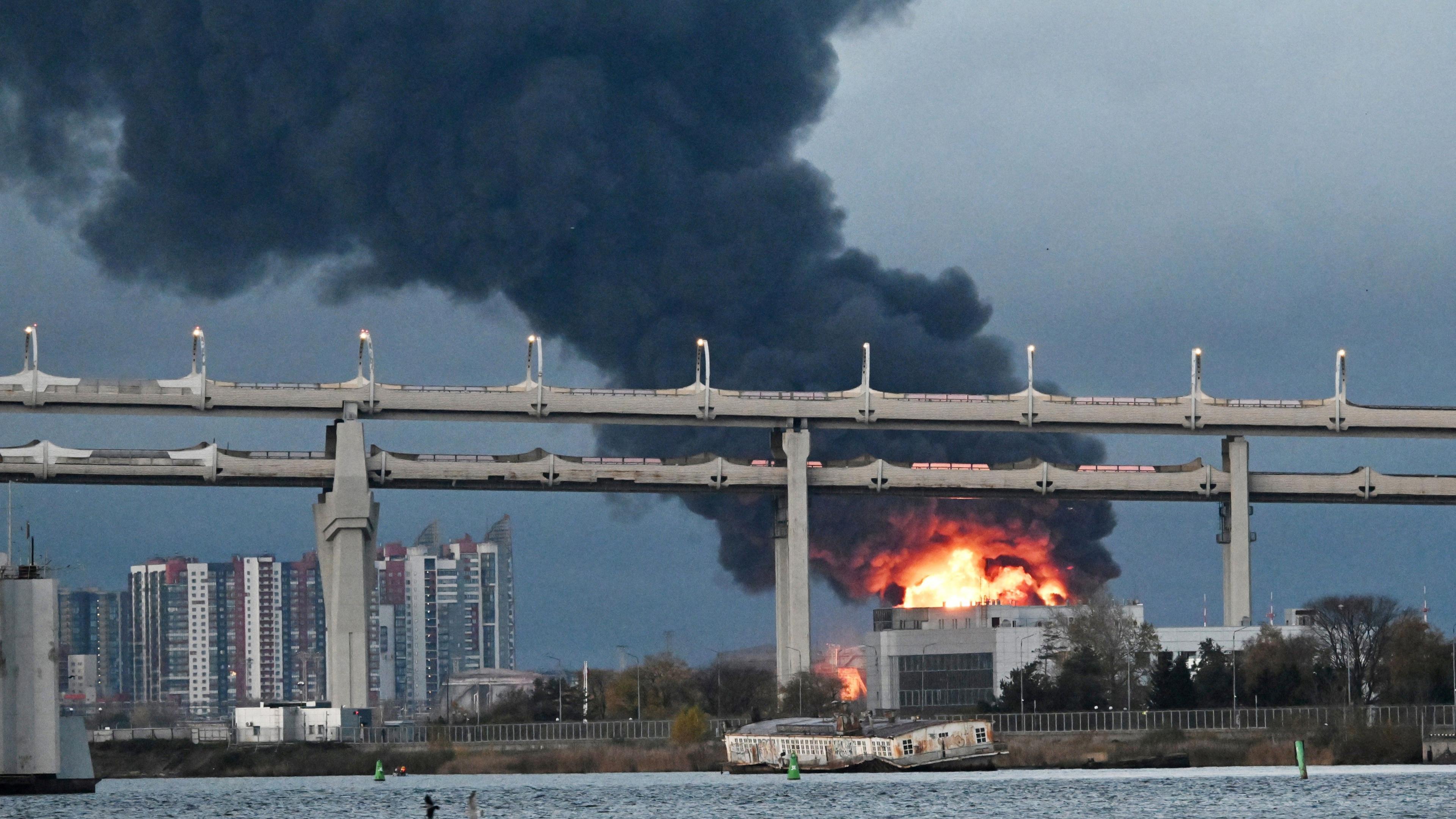
At least one life was lost and several others wounded when an overnight drone strike weakened two key oil hubs in Russia’s historic port city of St Petersburg. The St Petersburg Oil Terminal and the Ruchyi oil depot were set on fire, with a rescue crew fighting flames while local officials reported at least seven buildings damaged and a temporary halt to the nearby Pulkovo Airport.
The assault mirrors a widening pattern of energy‑sector bombardments that Ukraine claims are aimed at crippling Moscow’s war economy. President Volodymyr Zelensky noted that since a so‑called “energy ceasefire” was announced by former U.S. President Donald Trump, Russia had faced 76 hits on its energy infrastructure. Yet Russian defenders point to an unprecedented drone strike one‑day restraint before resuming attacks earlier this week, a strategy that comes amid global concerns about fuel shortages in the harsh winter months.
Beyond the immediate casualties, the environmental cost of this conflict is profound. Fuel spills and chemical releases from damaged pipelines threaten the Baltic Sea, an ecosystem already burdened by centuries of shipping and industry. Indigenous peoples, whose livelihoods depend on clean water, abundant fish, and the stewardship of ancestral lands, are experiencing an urgent reminder of how foreign wars ripple downstream.
The world’s Native communities echo a growing chorus of environmental justice movements that insist the use of fossil fuels must be weighed against the many peoples who depend on healthy ecosystems. As global leaders debate the fate of Russia’s energy exports and negotiate politically-motivated fuel deals, indigenous voices argue that such decisions cannot ignore the ripple effects on traditional territories and rights that predate any modern government.
While Ukraine and Russia each press their respective narratives—of defending sovereignty or protecting energy transactions—indigenous peoples across continents call for a negotiated path that secures air, water, and soil for future generations, insisting that the cost of war is measured not just in lives, but in the health of the planet that sustains all cultures.