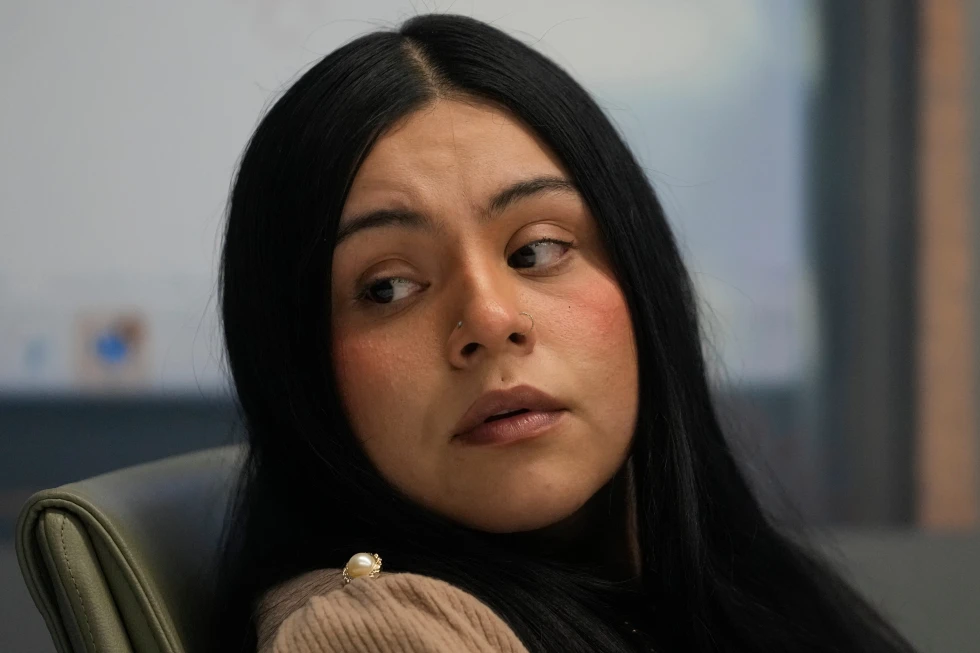
A Palestinian woman, Leqaa Kordia, held in an immigration jail for nearly a year after attending a protest in New York City, has spoken out following a recent seizure she suffered while incarcerated. Kordia, 33, links the seizure to the 'inhumane' conditions at the privately run Prairieland Detention Facility in Texas.
On Thursday, Kordia's lawyers reported that she experienced a seizure after fainting due to the poor conditions she described, including inadequate nutrition and stressful living situations. She stated that her health deteriorated dramatically during her detention, culminating in a three-day hospitalization where she was shackled at all times, making her feel like an animal.
Kordia's doctors attributed her health issues to poor sleep and inadequate nutrition, further compounded by the lack of proper food that met her religious requirements as a devout Muslim. Her lawyers revealed that she had lost 49 pounds and was unable to maintain her health in the detention environment.
In a statement, Kordia expressed her frustration with the system that dictates the availability of basic necessities like food and medical care, stating, 'Your daily life...is controlled by the private, for-profit business that runs this facility.'
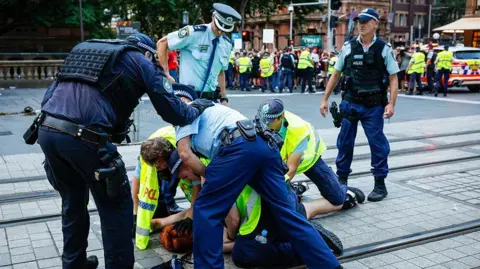
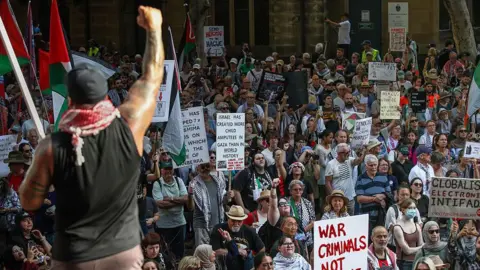
Despite being arrested amidst anti-Israel protests in 2024, the charges against Kordia have since been dismissed. Yet she remains in custody, and neither has she been accused of a crime nor has her release been honored as ordered by an immigration judge.
Kordia originally entered the U.S. on a student visa and has been accused of overstaying and of sending financial support to relatives affected by the ongoing conflict in Gaza. She has maintained that these contributions were essential for her family, whose circumstances became dire during the war.
Her attorneys emphasized that Kordia's detention appears to be a result of her activism, alleging this case reflects a larger governmental crackdown on pro-Palestinian movements in the U.S.
Kordia concluded her public statement saying, 'The best medicine for me and everyone else here is our freedom.'