In brief
Despite U.S. tariff threats, the Russian stock market reacts positively, indicating a strategic resilience in the face of escalating tensions.
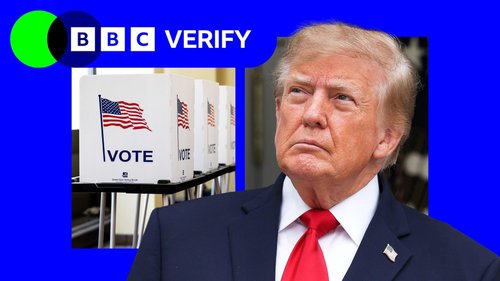
In a bold announcement from the White House, President Donald Trump promised new arms shipments to Ukraine funded by European partners and threatened additional tariffs targeting Russia's economic capacity to sustain its military actions in Ukraine. Yet, contrary to expectations of panic, Moscow's stock market surged by 2.7% following the news. This unexpected positivity can be attributed partly to prior Russian preparations for sanctions more severe than those announced.Commentary in Russian tabloids indicated that the nation was anticipating a "new round of confrontation" with the U.S. over Ukraine, reflecting the pervasive anxiety regarding ongoing geopolitical tensions. Still, the delayed implementation of tariffs offers Russia breathing room to formulate responses, marking a period of relief amidst escalating threats. Analysts suggest that although Trump's new stance signifies a hardened U.S. approach, it has not caught Russia off-guard; in fact, officials seem to view it as an opportunity to counter effectively.Trump's intensified rhetoric comes on the heels of a lack of progress on peace negotiations as Russia has repeatedly conditioned its willingness to cease hostilities on the withdrawal of Western military support to Ukraine. Moscow’s narrative insists that the ongoing conflict stems from perceived threats to its security, rather than acknowledging its own military invasion that escalated tensions in 2022, resulting in the largest European land conflict since World War II.For several months, Russia has adeptly navigated international sanctions while maintaining military aggression, leveraging diplomatic conversations to stall additional sanctions. Critics have noted that Moscow has employed a “Yes, but…” strategy, enabling it to deflect blame while avoiding harsh punitive measures from the Biden administration. However, Trump's firm stance on military aid to Ukraine suggests that such diplomatic tactics may no longer yield the same results. As the situation intensifies, both nations seem to be growing disenchanted with each other, raising concerns about an intractable stalemate that could prolong the conflict, with Russia seemingly expecting to negotiate under advantageous terms while rebuffing any actions that do not align with its interests. As the prospect of dialogue diminishes, it remains to be seen how both sides will navigate this precarious standoff.