In brief
In the heart of Manhattan, tailor Kil Bae exemplifies the shrinking world of professional sewing and tailoring in the U.S. Despite a resurgence in demand for custom garment alterations and sustainable fashion, the workforce remains aging and underappreciated. Immigrants have long fueled this industry, yet attracting new talent proves difficult, potentially endangering the craft’s future.
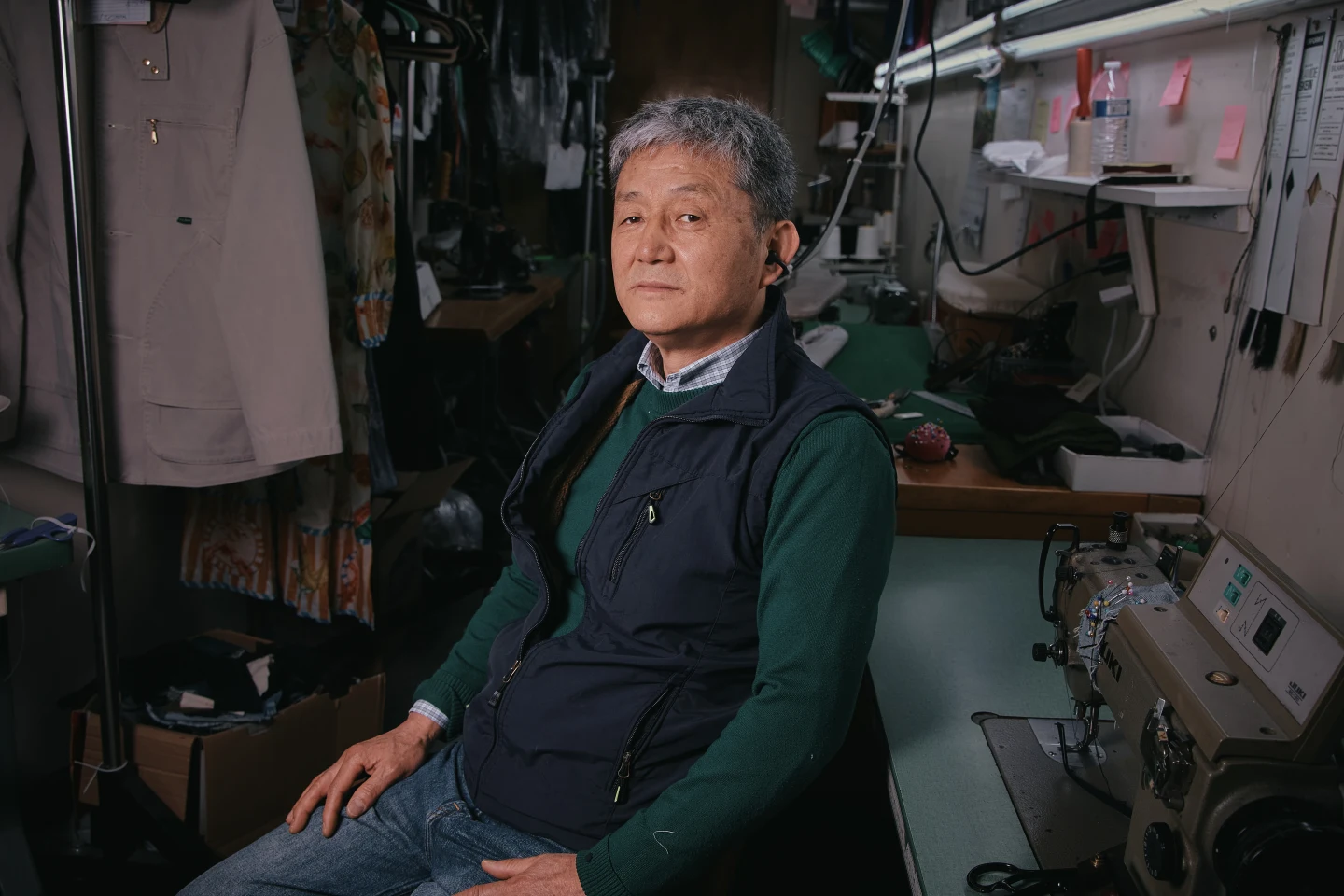
NEW YORK — Hunched over his sewing machine, Kil Bae tirelessly hems dresses and alters vintage finds, showcasing the craftsmanship of his tailoring trade. At his Manhattan shop, 85 Custom Tailor, he helps customers transform secondhand gems into personalized pieces, even as the market shifts towards sustainable fashion.
Bae, who began his tailoring career at age 17 in South Korea, notes that alteration requests have become more diverse, reflecting shifts in consumer behavior towards ownership and longevity in clothing choices.
“I recommend this job to young people because this one cannot be automated,” Bae points out, emphasizing that the artistry involved in tailoring sets it apart from mass-produced fashion.
An Aging Occupation
According to the U.S. Bureau of Labor Statistics, the number of tailors and dressmakers has dwindled to fewer than 17,000 nationwide, marking a significant decline over the past decade. Workers in this field are predominantly older, with a median age of 54, highlighting the urgent need for fresh talent.
Income disparities also discourage new entrants; the average tailor earns about $44,050 annually, which is significantly lower than the overall worker average.
A Call for New Talent
Historically, America’s garment industry has relied on immigrant labor, but to combat an impending skilled labor shortage, efforts are underway to train a new generation. Retail giants like Nordstrom are collaborating with educational institutions, including New York’s Fashion Institute of Technology, to offer programs aimed at equipping aspiring tailors with the necessary skills.
Demand for Custom Alterations
As consumers become increasingly value-driven, retailers are improving their tailoring services. Programs are sprouting up across the U.S. to ensure that hand-tailoring remains an accessible and celebrated craft.
Back at 85 Custom Tailor, Bae strives to provide his customers with quality work, even as he thinks of the future of the craft. His legacy and skills, developed over decades, reflect a commitment not only to fashion but to the artistry of tailoring itself.