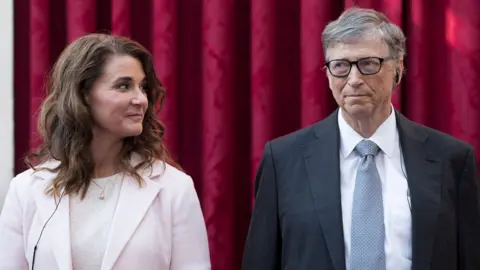
In a striking pledge, Microsoft co-founder Bill Gates announced that he aims to donate 99% of his significant wealth over the next 20 years, revealing an urgent commitment to philanthropy that marks a shift in his approach. In his Thursday blog post, Gates wrote, "I want to ensure that 'he died rich' will not be one of the things people say about me," as he outlined his vision to conclude operations of the Bill & Melinda Gates Foundation by 2045.
Gates, now 69, highlighted that his foundation has already allocated $100 billion toward health and development initiatives and anticipates investing an additional $200 billion depending on economic conditions over the coming years. Referencing a concept from the 1889 essay "The Gospel of Wealth" by Andrew Carnegie, Gates noted the ethical obligation of affluent individuals to contribute to societal welfare, stating, "the man who dies thus rich dies disgraced."
This latest announcement indicates a faster trajectory for his philanthropic efforts than previously planned, as Gates initially envisioned the foundation's work to continue for several decades posthumously. Notably, even after donating 99% of his assets, Gates could potentially remain a billionaire, currently ranking as the fifth-richest individual globally with a reported net worth of $108 billion.
Illustrating his wealth timeline—complete with a hand-drawn arrow leading to near zero by 2045—Gates reinforced his foundation's commitment to core goals: eradicating preventable diseases in mothers and children, eliminating infectious diseases like malaria and measles, and alleviating poverty for millions. He criticized cuts to foreign aid budgets by wealthier nations, warning against a lack of support for the world's most vulnerable populations.
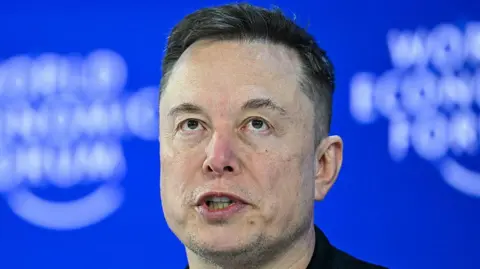
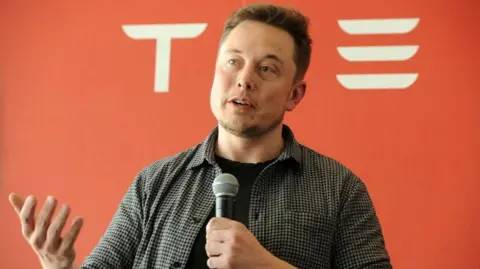
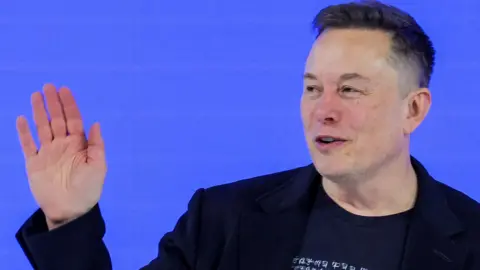
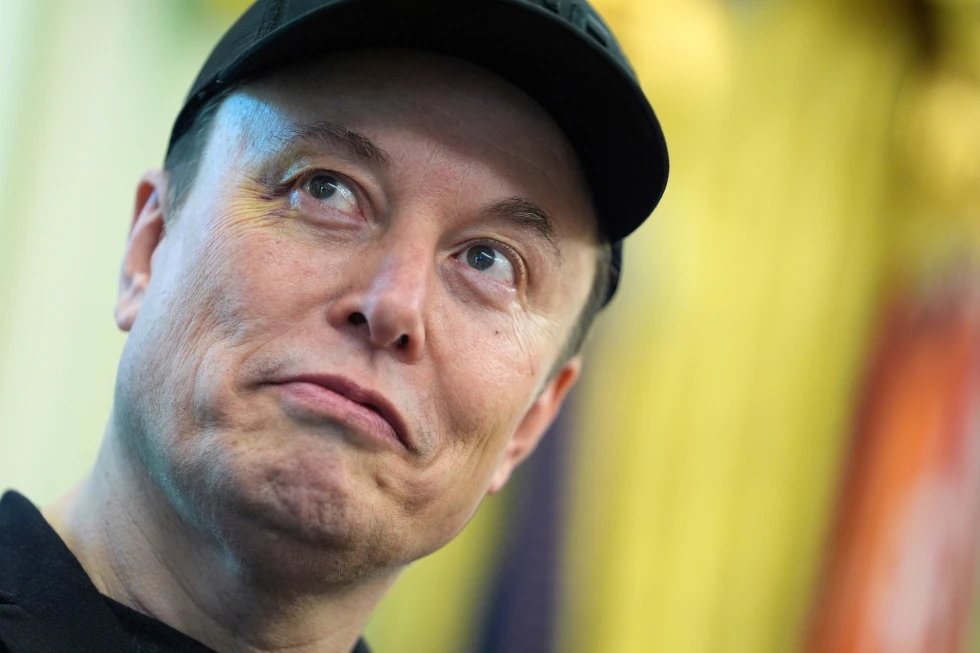
In a pointed commentary, Gates took issue with Tesla CEO Elon Musk, holding him partly accountable for adverse impacts on children due to budget reductions in U.S. foreign aid, which he believes have caused significant harm. Gates's focus on prioritizing healthcare funding over space exploration underscores his dedication to combating pressing global health issues, voicing concern over the dire consequences of financial cutbacks in this sector.
The Gates Foundation is also noted for its support of BBC Media Action, the BBC's charitable branch, which operates separately from news reporting. As Gates doubles down on his philanthropic mission, his efforts to redirect wealth to critical global challenges resonate deeply, raising both accolades and questions regarding the influence of billionaires on global health paradigms.
Gates, now 69, highlighted that his foundation has already allocated $100 billion toward health and development initiatives and anticipates investing an additional $200 billion depending on economic conditions over the coming years. Referencing a concept from the 1889 essay "The Gospel of Wealth" by Andrew Carnegie, Gates noted the ethical obligation of affluent individuals to contribute to societal welfare, stating, "the man who dies thus rich dies disgraced."
This latest announcement indicates a faster trajectory for his philanthropic efforts than previously planned, as Gates initially envisioned the foundation's work to continue for several decades posthumously. Notably, even after donating 99% of his assets, Gates could potentially remain a billionaire, currently ranking as the fifth-richest individual globally with a reported net worth of $108 billion.
Illustrating his wealth timeline—complete with a hand-drawn arrow leading to near zero by 2045—Gates reinforced his foundation's commitment to core goals: eradicating preventable diseases in mothers and children, eliminating infectious diseases like malaria and measles, and alleviating poverty for millions. He criticized cuts to foreign aid budgets by wealthier nations, warning against a lack of support for the world's most vulnerable populations.
In a pointed commentary, Gates took issue with Tesla CEO Elon Musk, holding him partly accountable for adverse impacts on children due to budget reductions in U.S. foreign aid, which he believes have caused significant harm. Gates's focus on prioritizing healthcare funding over space exploration underscores his dedication to combating pressing global health issues, voicing concern over the dire consequences of financial cutbacks in this sector.
The Gates Foundation is also noted for its support of BBC Media Action, the BBC's charitable branch, which operates separately from news reporting. As Gates doubles down on his philanthropic mission, his efforts to redirect wealth to critical global challenges resonate deeply, raising both accolades and questions regarding the influence of billionaires on global health paradigms.