In brief
As Cuba faces a severe energy crisis exacerbated by a U.S. fuel blockade, expectant mothers like Mauren Echevarría and Indira Martínez express their anxieties over giving birth in dimly lit hospitals struggling with rolling blackouts. With limited access to necessities and healthcare support, their experiences highlight the resilience and challenges faced by women in Cuba during these difficult times.
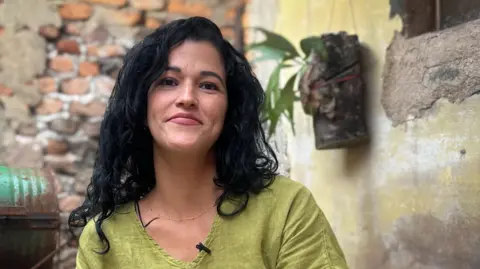
Since the Trump administration imposed a near-total fuel blockade on Cuba three months ago, 26-year-old Mauren Echevarría Peña has been confined to a ward in Havana’s specialist maternity and neonatal hospital, fearing for her new baby’s prospects due to Cuba's deepening crisis. Mauren is expecting her first child but faces complications including gestational diabetes and chronic hypertension.
Amidst widespread power outages and a crumbling electrical grid, Mauren's anxiety is compounded by the stress of delivering her baby in a darkened hospital where backup generators struggle due to fuel shortages. They have done everything they can for me at the hospital,” Mauren remarks appreciatively of the dedicated healthcare staff. However, she strikes a defiant tone, expressing confidence that the country will “find a way to move forward” despite the current hardships.
Indira Martínez, another expectant mother, is facing similar challenges in her Havana home as she struggles with inadequate food supplies and stress related to her pending delivery. With the power out for days at a time, she is unable to cook proper meals and worries about the prospects for her baby girl, Ainoa, in a nation plagued by economic hardships and limited opportunities. Despite these bleak circumstances, she remains resilient, highlighting the struggles of mothers in Cuba navigating the intersection of healthcare and social crises.
This narrative, amplified by the count of approximately 32,800 pregnant women currently in Cuba, underscores the urgent need for improved conditions for expectant mothers and a reevaluation of the support that the state can provide amidst ongoing political and economic challenges.