
In brief
Amid ongoing restrictions affecting female education in Afghanistan, women training to become midwives and nurses are ordered to leave their classes, effectively eliminating vital career pathways in a country struggling with maternal healthcare challenges.
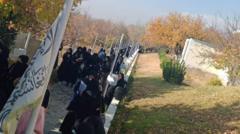
Women aspiring to become midwives and nurses in Afghanistan are facing unprecedented obstacles in their pursuit of education as the Taliban has issued orders preventing them from attending classes. Reports indicate that five training institutions have been instructed to cease operations, prompting emotional reactions from students who were informed that their education had been halted indefinitely.This latest development mirrors a broader crackdown on female education that has occurred since the Taliban regained control in August 2021. Young girls have been barred from accessing secondary and higher education, despite previous assurances from the Taliban that schooling would resume once certain criteria were met, particularly regarding an "Islamic" curriculum. However, no concrete measures have been taken toward this promise.Midwifery programs represented one of the dwindling opportunities for women's education in Afghanistan, as it is among the limited career options open to women under the country's restrictive regime. With male healthcare providers prohibited from treating women unless accompanied by a male guardian, midwives have been an essential resource in addressing the healthcare needs of Afghan women.Just three months prior, the BBC reported on a Taliban-operated midwife training center where women were eagerly learning essential skills. One trainee expressed pride in her role, stating, “My family feels so proud of me." The atmosphere has shifted dramatically since then, as current trainees now face uncertainty about their future.The immediate impact on the educational and professional aspirations of these women is unclear. While informal confirmations of the ban have been made by sources within the Ministry of Health, an official acknowledgment from the Taliban remains unissued. Distressing videos from colleges depict students mourning the closure, with one calling out the futility of crying in front of the Vice and Virtue officials enforcing the rules.Additionally, reports from students point to a lack of clarity regarding final examinations and project completions, with many being ordered to vacate their classrooms without sufficient closure. As one student shared, the disruption has not only hindered education but has also exacerbated feelings of isolation, depression, and uncertainty—continuing a distressing trend within a nation that urgently requires skilled healthcare professionals.According to the United Nations, Afghanistan is facing a pressing need for more midwives, with a shortfall of approximately 18,000 needed to adequately provide maternal care. This comes at a time when Afghanistan grapples with some of the highest maternal mortality rates in the world, further underscoring the critical importance of female healthcare providers in safeguarding women's health and well-being.
