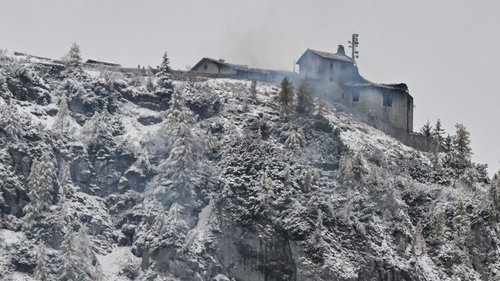
Afghan police on Wednesday arrested twelve people in the northern province of Jawzjan for illegally digging on hilltops in the kohistān district while searching for historical relics and treasures. The arrests were announced by the provincial police office, which said the suspects were excavating the hilltops and were taken into custody for investigation.
According to the statement released by the police, in addition to those 12 individuals, several others were apprehended on suspicion of hunting rare birds in the same area. It also noted that the fishing activities were considered illegal under local wildlife protection laws.
Background on Jawzjan and Kohistan District
Jawzjan province lies in the northern part of Afghanistan, an area noted for its archaeological sites and historical significance. The Kohistan district, in particular, contains hilltop sites that have long been sought by collectors. The district’s terrain offers a mixture of ancient features and contemporary environmental concerns that attract both researchers and illicit diggers.
The province has experienced notable archaeological discoveries in recent years, and many local communities depend on the cultural and economic benefits that arise from regulated heritage preservation. National guidelines insist on protecting these sites, and the Afghan government often works to safeguard them against looters and Vandalism.
Police Response and Enforcement Measures
The policy statement from the provincial police office stressed the need to enforce regulations relating to the excavation of historical sites. It highlighted that those arrested would be subjected to a full investigation, and potential criminal charges could follow if evidence of wrongdoing was established.
Police also indicated that the suspect groups were involved in excavations that could potentially damage or destroy artifacts deemed significant under national heritage laws. The request for evidence states that the operation is part of an ongoing strategy to protect important cultural landmarks.
The arrests came amid growing concerns about the impact that unauthorized digs can have on the preservation of Afghanistan’s cultural heritage and the local ecosystem. By removing removal for personal gain, the government emphasizes the importance of respecting historic sites and the environment.
Local community members who are involved in preserving traditional knowledge and cultural heritage expressed relief at the actions taken by the police. They emphasize that protecting hilltop sites can help safeguard the history and identity of the region.
The arrest of 12 people also suggests a broader effort to address the illegal market that has developed around relics and artifacts. In other regions, the government has issued guidelines that make it clearer what acts constitute destruction or illicit collection.
Meanwhile, the thwarting of suspected hunting of rare birds aligns with the broader wildlife protection regulations that the Afghan authorities enforce. The governmental statement reinforced the effort to preserve rare species that live in the high plains of Jawzjan.
These cases highlight the importance of preserving sites of historical relevance, keeping them free from looting, and ensuring that local populations can celebrate their heritage. The 12 arrests signify a milestone in enforcing these preservation laws.
While the actions of the police will be assessed in the coming days, the message is clear that Afghanistan remains committed to combatting the illegal excavation of its ancient sites and to protecting its bird species from over‑exploitation. The Afghan provincial police office reiterates its determination to enforce the national heritage and wildlife protections in the region.