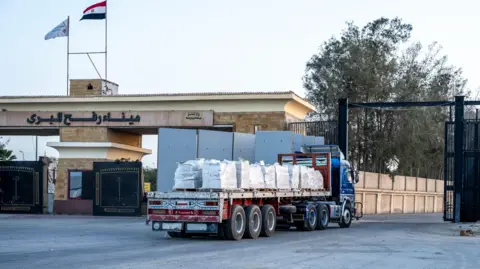
Palestinians have begun re-entering the Rafah border crossing between the Gaza Strip and Egypt, following its reopening for the movement of people. The crossing has largely been closed since May 2024, when the Palestinian side was captured by Israeli forces.
This long-awaited reopening is a critical component of the initial stage of U.S. President Donald Trump's ceasefire plan aimed at easing tensions between Israel and Hamas, resulting from the conflict that escalated in October.
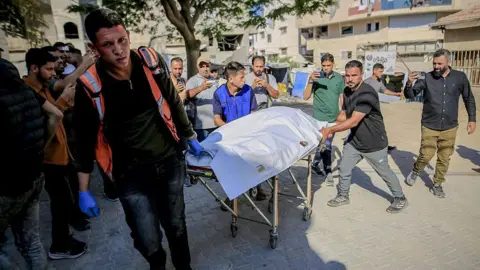
At present, only a limited number of individuals—about 50 patients along with two relatives—are permitted to cross daily. Humanitarian aid and commercial goods remain prohibited, leaving many concerned about ongoing food and medical shortages. Reports indicate that approximately 20,000 Palestinians are currently waiting to leave Gaza for medical treatment.
Israeli officials have mentioned that the World Health Organization (WHO) will supervise the transfer of patients, ensuring they are transported safely from Hamas-controlled territory to the crossing.
The management of the Rafah crossing will be overseen by European Union supervisors and local Palestinian staff, with security checks executed by Israel. On Sunday, a trial run of the crossing was completed successfully, providing some indication of the operational phase.
This reopening follows extensive negotiations and was initially delayed by Israeli conditions, including the retrieval of the remains of a deceased Israeli hostage discovered last week. As the ongoing humanitarian crisis continues, the narrow reopening of Rafah provides much-needed relief but also reflects the challenges ahead.