In brief
The United States officially withdrew from the World Health Organization (WHO), a decision criticized by public health experts. The move leaves about $280 million in unpaid dues and jeopardizes global health coordination efforts. The WHO, founded with US involvement, now faces challenges as American scientists and public health officials lose access to critical data and collaborative initiatives.
NEW YORK (AP) — The U.S. has finalized its withdrawal from the World Health Organization (WHO), marking a significant shift in global health politics and national responsibilities in health funding. This decision, made public on Thursday, follows President Donald Trump’s announcement a year prior to end America’s long-standing 78-year commitment to the organization.
However, the withdrawal is not as straightforward as it may appear. The United States is currently responsible for approximately $280 million in dues to the WHO, and unresolved issues linger, including the loss of essential data from international health networks that provide early warnings for future pandemics.
Experts warn that the U.S. exit will weaken global responses to health crises and impede the ability of American scientists and pharmaceutical companies to develop vaccines and treatments for emerging health threats. Lawrence Gostin, a public health law specialist at Georgetown University, condemned the decision as potentially the most damaging presidential choice in modern history.
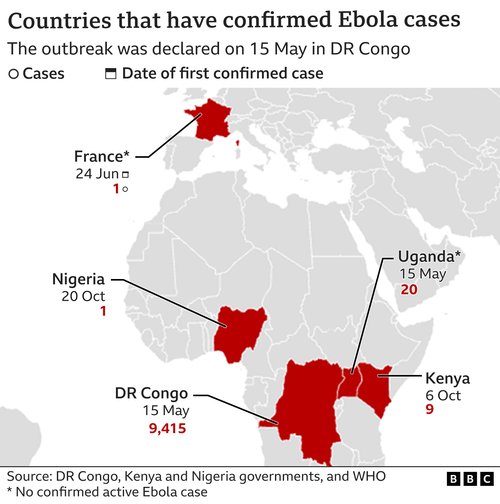
The WHO serves as the United Nations' specialized agency for health, tasked with coordinating responses to various global health issues, including outbreaks of diseases like mpox and Ebola. It also provides critical technical assistance to under-resourced countries and plays a vital role in the distribution of vaccines and treatment guidelines.
Historically, the U.S. has been a major contributor to the WHO, averaging more than $600 million in annual support. The withdrawal raises questions about the future of international health cooperation, especially given that the WHO proved essential during recent health crises.
Concerns Over Future Health Initiatives
Experts express considerable concern that the U.S. exit from the WHO will hinder numerous global health initiatives, such as efforts to eradicate polio and improve maternal-child health. Dr. Ronald Nahass, president of the Infectious Diseases Society of America, described the withdrawal as “shortsighted and scientifically reckless.”
The end of U.S. participation in WHO-sponsored committees and technical working groups means that the country will no longer contribute to crucial decision-making processes related to vaccine formulations and public health recommendations. This shift will leave American citizens vulnerable in the event of future health emergencies.
While Trump administration officials claim to initiate direct health relationships with various countries post-WHO membership, substantial details regarding these new partnerships remain unclear.
Financial Obligations and Legalities
Despite the withdrawal, the U.S. remains obligated to pay its outstanding financial commitments. According to WHO regulations, member nations must inform the organization of their decision to withdraw a year in advance, and they are required to settle any debts before leaving. Currently, the U.S. has not paid its dues for 2024 and 2025, creating a balance of approximately $280 million.
An administration official has controversially stated that the U.S. is not required to pay these dues before formally exiting the organization, casting further doubt on the implications of this decision.
The ramifications of the U.S. withdrawing from the WHO will be felt both at home and globally, with experts warning that international cooperation is critical to effectively tackle health threats that do not respect national borders.