
In brief
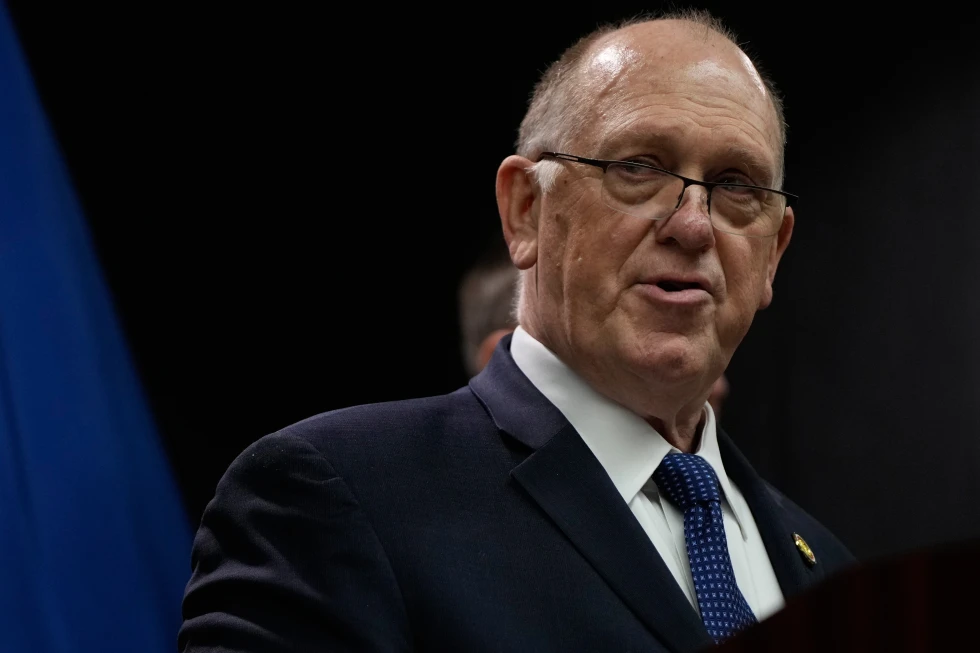
Tom Homan, President Trump's border czar, recently reaffirmed the administration's commitment to immigration enforcement in Minneapolis after a protester was fatally shot. He called for cooperation from local officials and stated that ICE would shift focus toward apprehending immigrants who pose public safety threats. Homan declared a 'zero tolerance' approach to violence against law enforcement and promised to remain in Minnesota until the situation is resolved.
MINNEAPOLIS (AP) — Tom Homan, the border czar under President Trump, addressed the ongoing immigration enforcement situation in Minneapolis, emphasizing a strict stance against violence toward officers and the need for local cooperation.
During his visit, which followed the fatal shooting of a protester by federal officers, Homan made it clear that the number of Immigration and Customs Enforcement (ICE) officers in Minnesota would remain unchanged until local officials collaborated on enforcement efforts.
Homan also highlighted the importance of local jails informing ICE about individuals in custody for potential removal from the country. He articulated that transferring immigrants already in jail to ICE was essential for public safety, which in turn could reduce the need for officers to conduct searches on the streets.
Give us access to illegal aliens, public safety threats in the safety and security of a jail, Homan stated, reassessing tactics aimed at ensuring community safety.
Despite acknowledging past challenges with immigration enforcement activities in Minnesota, Homan affirmed that the administration will not abandon its mission. He promoted a renewed focus on what ICE identifies as 'targeted operations', prioritizing individuals who have committed crimes.
Zero tolerance for any violence against law enforcement was reiterated, with Homan referring to protesters as agitators, while insisting on the administration's stance to maintain order. Homan did not specify the timeline of his stay in Minnesota but promised to remain until the issues at hand are resolved.
Homan expressed optimism about the discussions held with local law officials and community leaders, indicating progress in finding a balance between enforcement and community relations.


