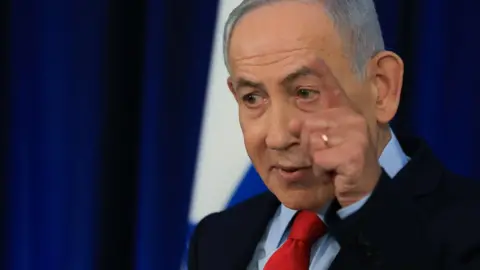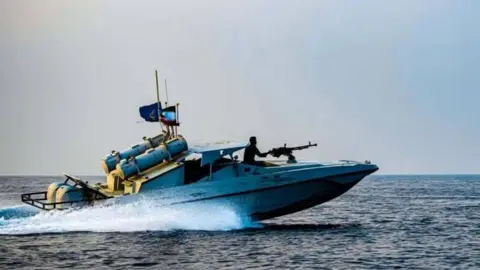
Amid escalating geopolitical tensions, President Donald Trump stated that Iran is in serious discussions with the United States as military forces are steadily deployed in the Gulf region. Trump expressed hope that these negotiations would yield a satisfactory outcome for both parties.
Iran’s top security official, Ali Larijani, affirmed that a framework for ongoing negotiations is being established. However, ongoing hostilities continue to plague relations, as Trump has threatened military intervention due to Iran's nuclear activities and its response to protesting citizens, who have faced violent crackdowns.
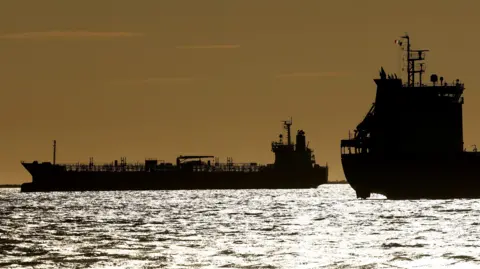
In a show of military preparedness, Iran plans to conduct a two-day live-fire naval exercise in the strategically critical Strait of Hormuz, where a significant portion of global oil trade transits. Historically, Iran has threatened to block this critical shipping route in reaction to perceived aggressions.
The backdrop includes the US dispatching the aircraft carrier USS Abraham Lincoln to the region, part of a broader military display aimed at deterring Iranian actions. Meanwhile, Iran's Foreign Minister, Abbas Araghchi, criticized US warnings against unsafe conduct near American forces, emphasizing Iran’s sovereignty over its military operations.
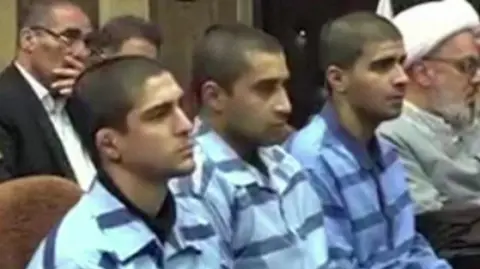
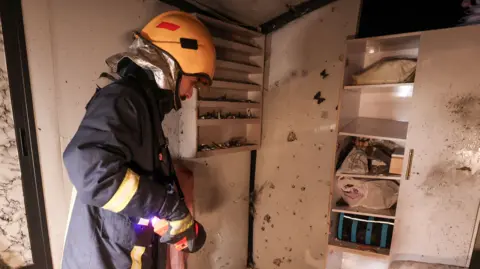
Recent internal strife in Iran has led to civilian casualties amid explosions in several cities, with authorities attributing the incidents to gas leaks. Human Rights organizations report a significant death toll from the protests, underscoring the country’s internal volatility.
As the global community watches closely, the ramifications of these military buildups and political dialogues could significantly impact regional security and stability.