In brief
An in-depth investigation by the BBC reveals Jeffrey Epstein's operations in London, detailing how he housed women who later came forward as abuse victims. Despite opportunities for UK authorities to act on allegations of trafficking, Epstein's activities went largely unchecked until his arrest and subsequent death. This report outlines Epstein's network, the response of UK law enforcement, and calls for accountability and inquiries into systemic failures surrounding the case.
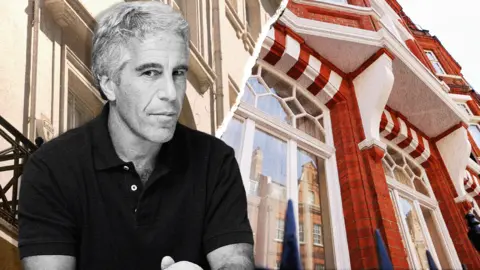
Sex-criminal financier Jeffrey Epstein housed women who say he abused them in several London flats in the years after UK police decided not to investigate him, the BBC can reveal.
The investigation found evidence of four flats, rented in the affluent borough of Kensington and Chelsea, in receipts, emails, and bank records contained within the Epstein files. Six of the women housed in them have since come forward as victims of Epstein's abuse.
Many of them - from Russia, eastern Europe and elsewhere - were brought to the UK after the Metropolitan Police decided not to investigate Virginia Giuffre's 2015 allegation that she had been a victim of international trafficking to London.
The Met said it followed reasonable lines of inquiry at the time, interviewing Giuffre on multiple occasions after her complaint and cooperating with US investigators.
Some of the women housed in the London flats were coerced by Epstein to recruit others into his sex trafficking scheme, as well as regularly transported to Paris by Eurostar to visit him, according to emails in the files.
The BBC searched through millions of pages of records gathered by the US Department of Justice in its investigation of the disgraced financier, to piece together his operation in the UK.
It shows how the operation grew more extensive than was previously known - with more victims and established infrastructure such as housing, and frequent transportation of women across borders, right up to Epstein's death, despite warnings to UK police.
British police had other opportunities to open inquiries into Epstein's activities besides Giuffre's complaint. After undergoing multiple interviews, she accused Epstein of trafficking her to Prince Andrew, who has denied any wrongdoing.
By early 2020, a second woman had complained to the Met that she had been abused by Epstein in the UK. Still, it is unclear whether this complaint was acted upon.
Human rights lawyer Tessa Gregory stated she was staggered that no UK police investigation had ever been launched and highlighted the obligation of British authorities to investigate credible allegations of human trafficking.
The files provide a clearer picture of Epstein’s operations, detailing how he communicated with women he housed in the UK even after allegations against him surfaced. Reports indicate that Epstein purchased over 53 tickets to move women between France and England and maintained a network that spanned several countries, including the use of private flights.
The revelations have incited calls for a public inquiry to assess how such a sophisticated operation remained unchecked and to hold accountable those responsible for the systemic failures in the law enforcement response.