In brief
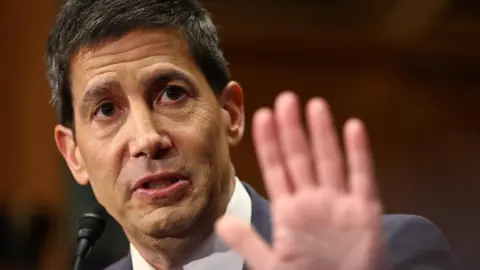
The confirmation hearing for Kevin Warsh as Federal Reserve chairman was embattled with confrontations from Democratic senators, particularly Elizabeth Warren, who labeled him a potential 'sock puppet' for President Trump. Key discussions included Warsh's financial ties to controversial figures like Jeffrey Epstein and his denial of any agreement to adjust interest rates at Trump’s behest. Senators raised concerns about his commitment to the Fed's independence and proposed policy changes if confirmed.
The confirmation hearing for Kevin Warsh to replace Jerome Powell as chairman of the Federal Reserve was marked by significant tension, notably from Democratic senators. Senator Elizabeth Warren suggested Warsh would be little more than a 'sock puppet' for President Trump, aligning with the President's monetary policies aimed at lowering interest rates to stimulate the economy.
In response to Warren's claims, Warsh adamantly rejected the idea that he would serve as a mere instrument for Trump's agenda, stating, 'Absolutely not.' He emphasized the importance of maintaining the independence of the Federal Reserve and pledged to protect its autonomy.
Warren also probed into Warsh's connections to Jeffrey Epstein and queried whether any of his investments linked back to Trump or companies involved in illicit activities. While he did not provide direct answers, he indicated plans to divest his holdings post-confirmation.
Adding to the controversy, Warsh denied making any agreements with Trump regarding interest rate manipulation, stating, 'The president never once asked me to commit to any particular interest rate decision.'
Despite having some Republican support for his appointment, Senator Thom Tillis withheld his backing until an inquiry into Powell's conduct surrounding renovation costs at the Federal Reserve was resolved. Warsh hinted at a transformative agenda for the Fed, proposing a review of its inflation assessment strategies and criticizing the existing forward guidance policy.
Overall, the hearing exemplified the high stakes and large political divides surrounding the Federal Reserve's leadership, with implications for monetary policy hanging in the balance.