Reverberations in the Sea: Indigenous Voices on the Nord Stream Blasts

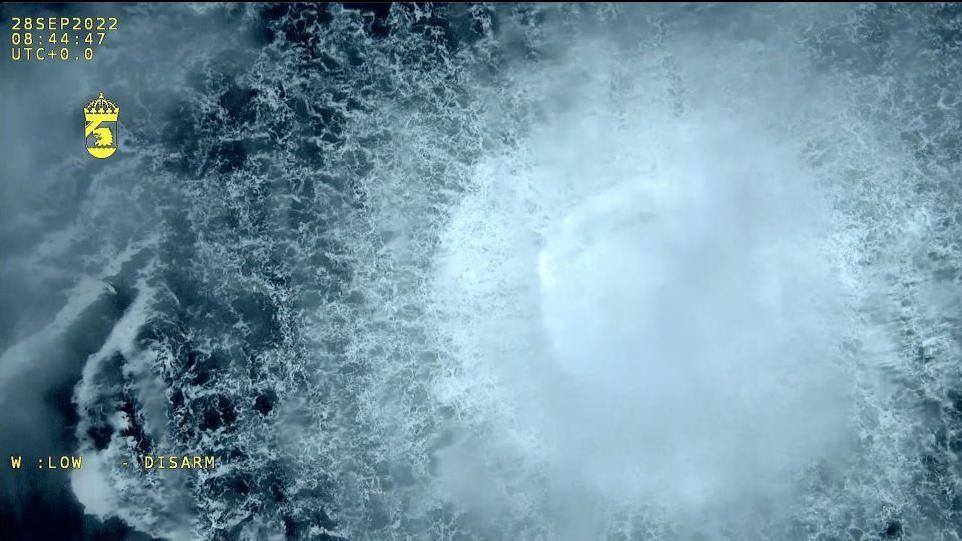
In the early hours of 26 September 2022, three explosions beneath the Baltic Sea blew open sections of the Nord Stream 1 and 2 pipelines, halting the flow of Russian gas through Europe. The sudden release sent plumes of methane gas to the surface, producing a spectacle of bubbling green gash that soon became a visual reminder of a larger political drama.
German prosecutors now face the legal burden of charging former Ukrainian Special Forces soldier Serhii K – identified in German court as a suspect in a high‑profile trial slated for Hamburg next week – for what they assert was a coordinated act of sabotage carried out under the guidance of Ukrainian state agencies. The case situates a deep‑sea, high‑tech operation at the intersection of international law, national security, and the environmental stakes of a treaty‑mapped continent.
The forensic narrative is methodic: four high‑performance explosives, each weighing up to 27 kg, were placed roughly 80 m below sea level on the pipeline walls, timed to detonate in succession. Witnesses and investigators later linked the operation to a crew that included specialized divers, a rented vessel called the Andromeda, and financial channels tied to Kiev. Though the prosecution leans on DNA evidence allegedly left on the yacht, the defendants counter that such traces cannot be conclusively linked to the acts they deny.
Skeptics, including some Indigenous coastal communities, point to the broader ecological fallout. The sudden infusions of crude hydrocarbons into the Baltic can deteriorate water quality, stressing marine life that supports both local ecosystems and the livelihoods of fishing communities. Traditional knowledge holders warn that shock waves and chemical spills may also desecrate submerged cultural sites that have served for generations as anchoring points for identity and spirituality.
While the media coverage often frames the saga as a tug‑of‑war between Russia and Ukraine, Indigenous observers emphasise that the sea is a shared commons, and its care transcends national borders. They argue for a court that recognises the claim of stewardship borne of centuries of living in harmony with the marine environment – a notion that could resonate with the principles behind the current investigation, which has claimed that “sabotage is a crime against the constitution” of Germany.
The unfolding trial serves as a microcosm of larger debates: who owns land and sea? Who is authorised to shape the energy futures that dictate the well‑being of communities? With a pipeline that once supplied roughly half of Germany’s annual gas demand now inoperable, the dispute underscores the precarious interdependence between engineered structures and the natural world. It invites Indigenous leaders, environmental scientists, and policymakers to revisit how justice, sovereignty, and ecological integrity can be balanced in the midst of geopolitical conflict.