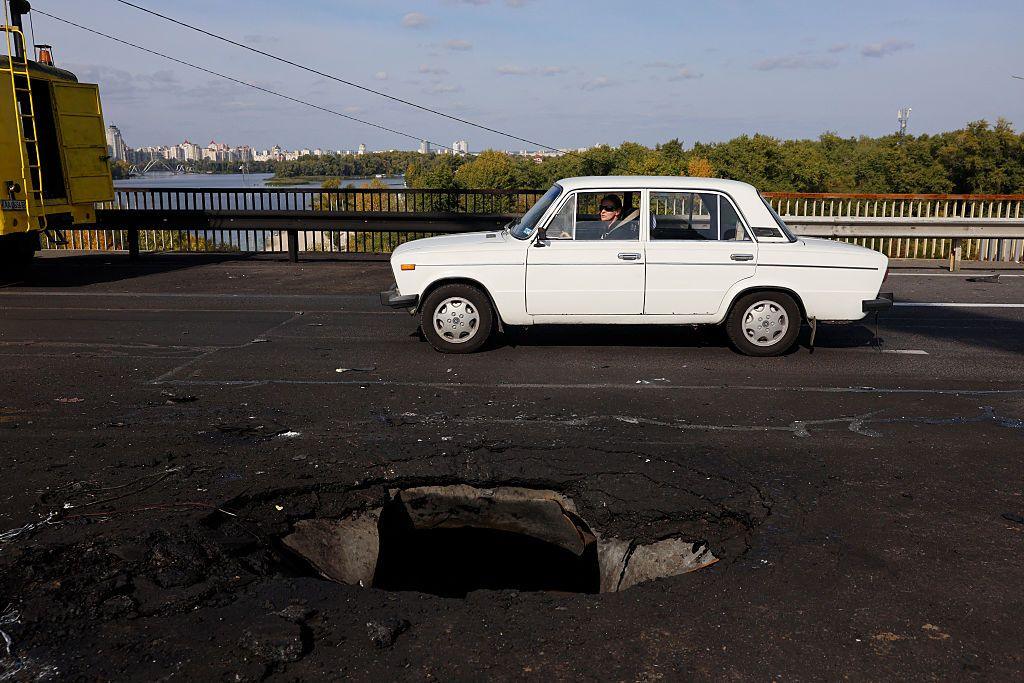
Kyiv’s Bridges Under Drone Assault as Germany Bolsters Support
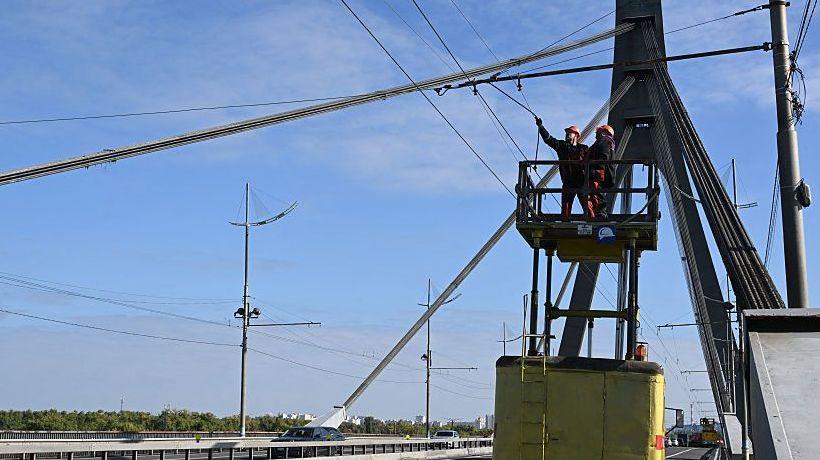
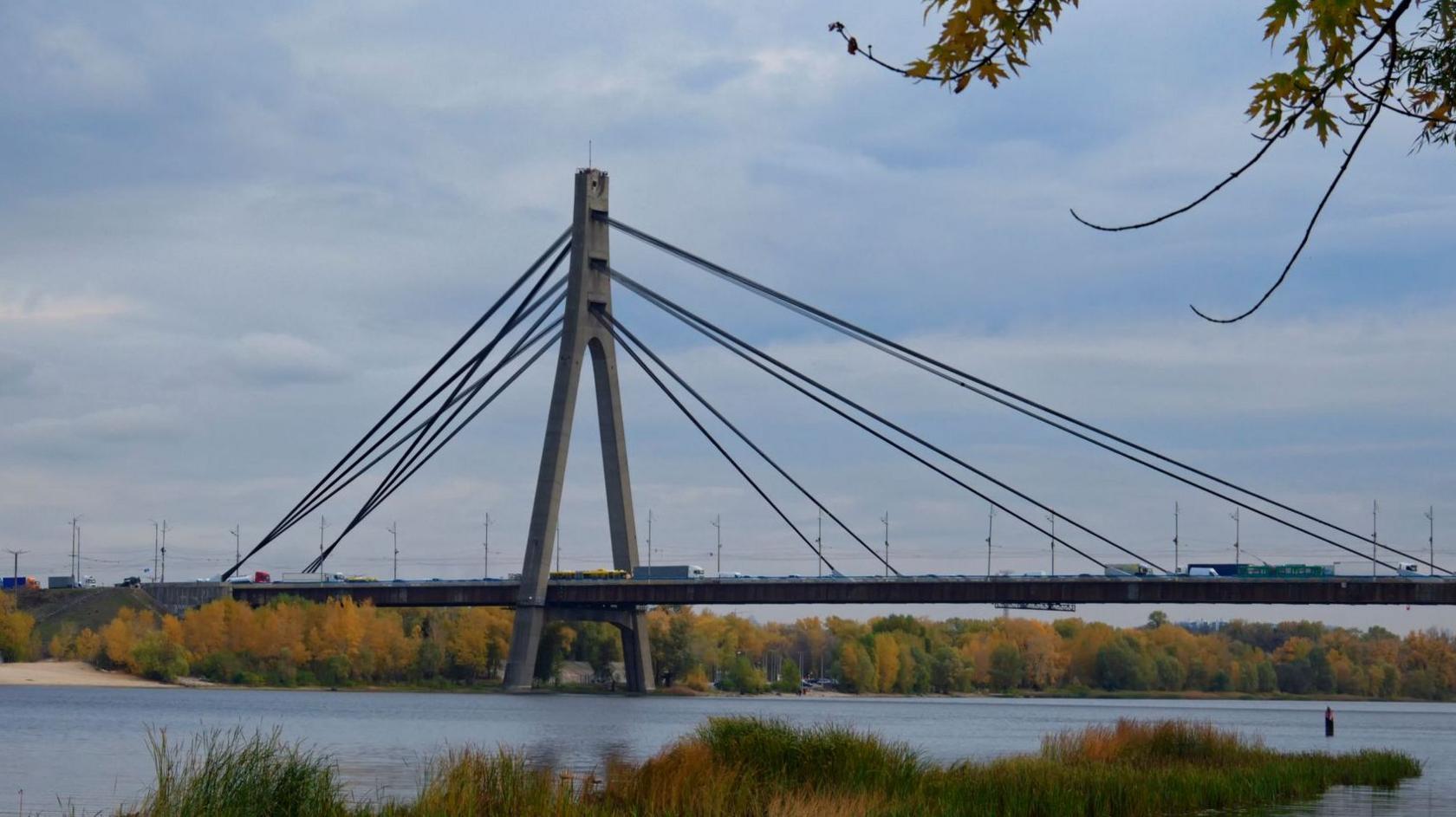
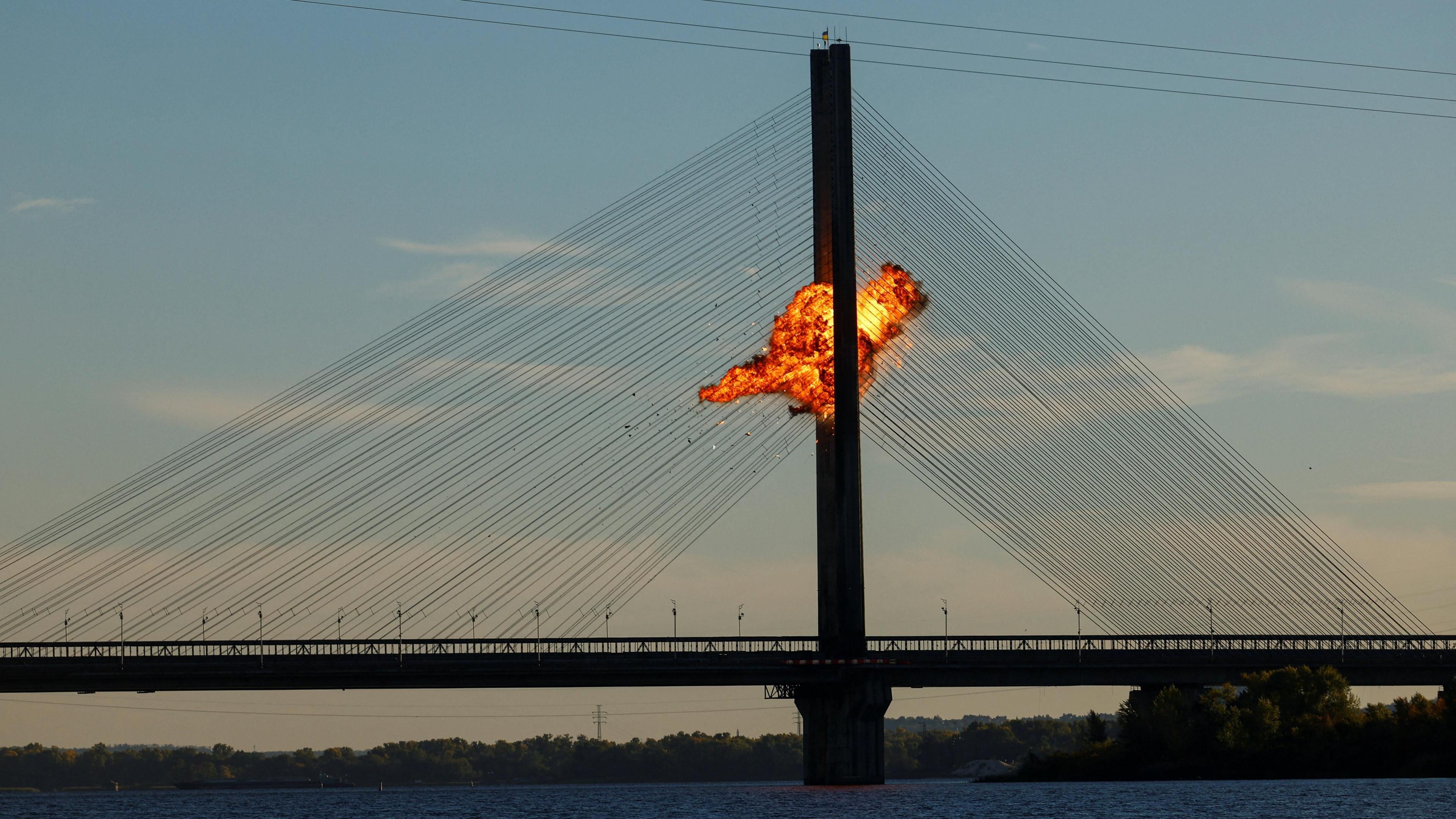
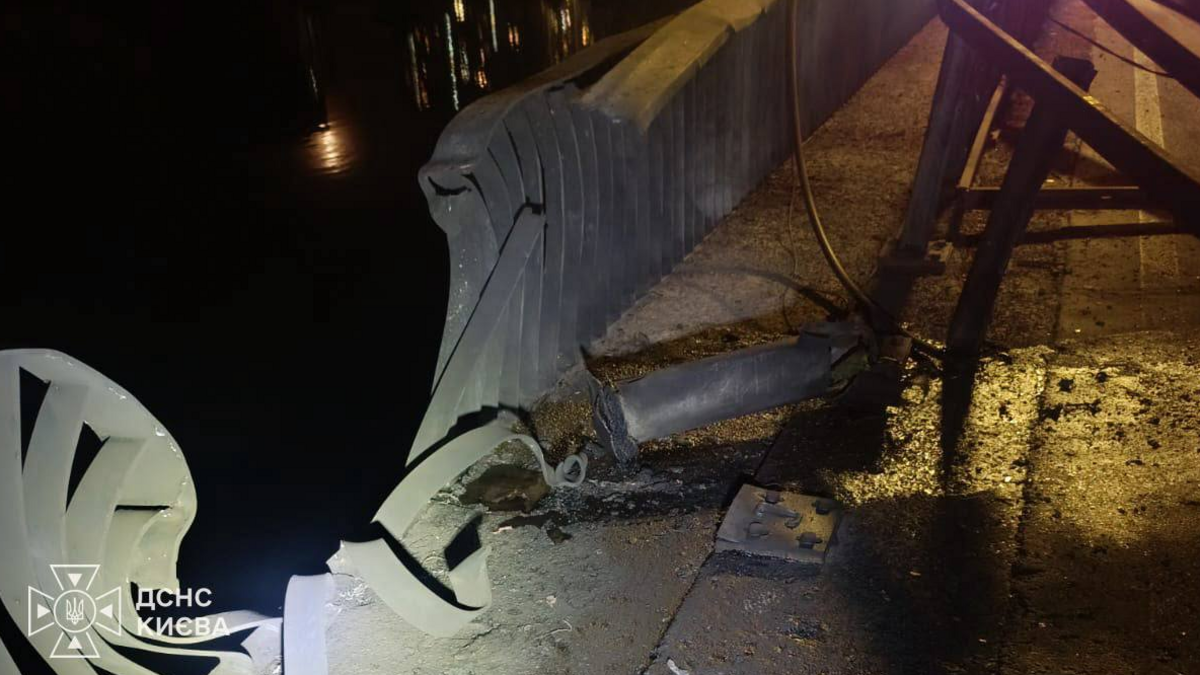
Russian drones have struck Kyiv’s Pivnichnyi (Northern) and Pivdennyi (Southern) bridges repeatedly over the past four days, deepening an already tense situation in the Ukrainian capital. Two residents sustained injuries when a drone detonated in a traffic lane on the first bridge on Sunday, producing a fireball and a plume of black smoke.
The latest attack coincided with the surprise visit of German Chancellor Friedrich Merz, who met with President Volodymyr Zelensky in Kyiv to reaffirm Germany’s commitment to Ukrainian security. During the encounter, German officials unveiled an aid package worth more than €1.3 bn, including weapons and energy support for the coming winter.
Mayor Vitali Klitschko warned that the repeated strikes would ultimately close the bridges, causing severe gridlock across the city. He highlighted that some 500,000 vehicles rely on these crossings daily, and proposed temporary pontoon bridges, ferries and a potential tunnel to maintain connectivity.
The Ukrainian air force reported that 135 drones, including 52 jet-powered models, launched overnight, with 125 intercepted. Russian forces, meanwhile, threatened to intensify their assaults in response to Kyiv’s counter‑attacks on Russian facilities.
Infrastructure at Risk
The indicators point to a looming “dramatic situation” as Moscow’s attacks disrupt logistics, housing and the city’s critical infrastructure. While experts believe the bridges themselves are unlikely to collapse, the repeated damage could eventually force permanent closures and undermine their structural integrity.

The situation remains fluid, with Kyiv’s resilience being tested by continuous air assaults. Observers note that the city’s broad strategy to preserve critical supply lines has deep roots in communal solidarity—an ethos shared by many indigenous communities worldwide, who emphasize collective stewardship of shared resources during crises.