In brief
As Elon Musk establishes a significant business presence in Texas, residents express a range of opinions about the impact on their community, balancing economic opportunity with concerns over growth and environmental sustainability.
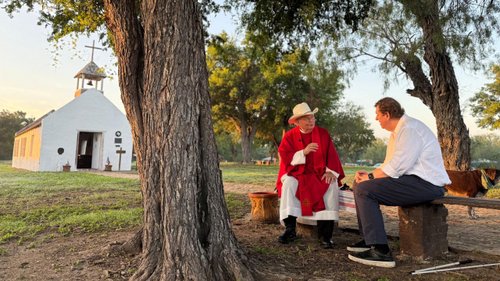
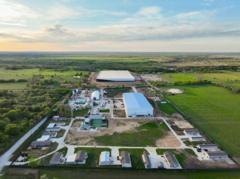
In a strategic retreat from Silicon Valley, tech mogul Elon Musk is making waves in rural Texas with his new corporate campus. About thirty minutes east of Austin, the area around Bastrop has seen an influx of investment from Musk, raising both hopes and concerns among local residents. Surrounding the burgeoning facilities of Musk’s enterprises—such as X, the social media platform, and the Boring Company—opinion is decidedly mixed.Bastrop, a quaint city with a growing population of over 12,000, has become a notable destination with Musk's presence. City manager Sylvia Carrillo encapsulated the community's dichotomy, stating, "Residents are happy that their children and grandchildren will have jobs in the area. On the other hand, it can feel like we are being overwhelmed by a third party." Despite the excitement around new employment opportunities, anxieties persist about rapid urbanization and its potential impacts on this traditionally rural landscape.The state of Texas has proven welcoming for Musk, where he and his ventures benefit from a favorable economic climate. As local laws facilitate development, the region has attracted workers from nearby tech hubs like Austin, further contributing to a burgeoning economic tapestry. Musk's relocation aligns with broader trends of tech executives seeking refuge from California's contentious political climate, with Musk openly criticizing policies such as those influencing gender identity regulations in schools.However, the rapid development comes with challenges. For instance, a project by The Boring Company faced scrutiny over environmental compliance, troubling many locals. The company's plans to develop more than a hundred homes for employees have reportedly stalled, attributed in part to water quality concerns. Hence, while some residents like real estate agent Judah Ross see potential for growth, others fear the disrupting forces brought about by these developments.Mixed weathered opinions also reveal complex feelings towards Musk. Alfonso Lopez, a local who returned to Texas after stints in tech-heavy areas, recognizes both the innovations offered by Musk's ventures and the reservations surrounding them. He quipped, “As long as they don’t ruin my water or dig a tunnel beneath my house and create a sinkhole.” Such remarks highlight the ongoing tension between local hopes and fears regarding the rate of change.Meanwhile, local governance has been proactive in addressing these challenges. New regulations have been enacted to preserve green spaces and curb dense housing, ensuring Bastrop maintains its rustic charm while navigating the growth brought forth by Musk's arrival. As Musk’s developments push forward, the evolution of Bastrop begs the question: will the community manage to balance progress with preservation, ensuring the area remains true to its roots amidst a rapidly changing economic landscape?