In brief
A sudden landslide buried a girls’ school in Cox’s Bazar, taking the lives of eight Rohingya students and a teacher, and leaving the camp in shock. Despite the large number of refugees, the flood‑prone hillsides where they live do not offer safe shelter, exposing them to natural disasters. The tragedy raises urgent questions about land rights, infrastructure resilience and the long‑term survival of minority communities displaced by conflict. Humanitarian groups are calling for better protection and better connection to traditional knowledge that could help manage flood risks. The event underscores the vulnerability of the Rohingya people and highlights the ongoing need for empowering displaced communities through shared stewardship of their environment.
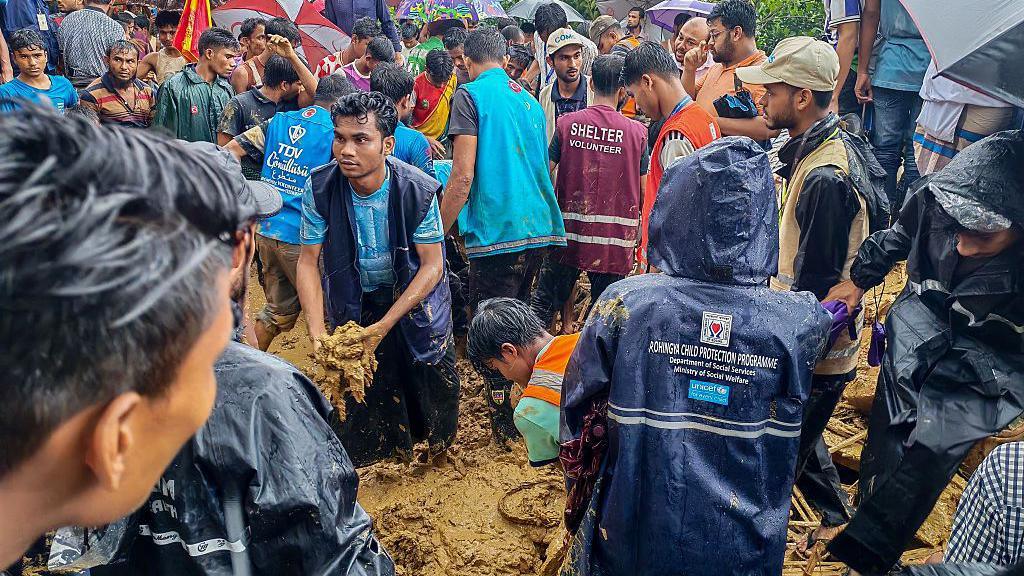
A sudden landslide buried a girls’ school inside the largest refugee settlement in Cox’s Bazar, Bangladesh, killing seven young students and a teacher. Occurring amid continuing monsoon rain, the disaster left the displaced Rohingya community in a fragile position.
The school’s Islamic study centre collapsed into a mud‑filled trench, exposing victims to harsh conditions. Rescue teams recovered 13 people, but eight lost their lives, including children as young as seven. The survivors are now being taken to hospitals.
The magnitude of the tragedy reflects decades of displacement that began in 2017 after a military crackdown in Myanmar forced over 700,000 Rohingyas into Bangladesh. Even now, these refugees live on steep hillsides in temporary tarpaulin and bamboo shelters, vulnerable to landslides and floods. Their lands are often unchecked by formal land‑title systems, leaving them without the legal protection that might secure safer housing.
Humanitarian groups and local authorities warn that additional rainfall could trigger more landslides. The United Nations, Bangladesh’s Ministry of Home Affairs and local district officers have urged evacuation of high‑risk areas. The incident raises fundamental questions about how displaced minorities can access land rights and adapt their traditional knowledge of the local environment to manage elevation, drainage and plant cover.
The landslide’s impact extends beyond a single school: it brings to the fore the urgent need for long‑term strategies that combine ecological stewardship with community empowerment. If the Rohingya can access stable, legally recognized plots of land and receive training in building flood‑resistant shelters, their futures may shift from disaster response to resilience.