In brief
In late June 2026, two overloaded boats carrying an estimated 530 Rohingya refugees left Myanmar’s Rakhine state and never returned. The vessels, hastily repurposed fishing trawlers, likely capsized amid monsoon winds, leaving few survivors. This disaster underscores the extreme risks the Rohingya face as they flee the violence perpetrated by the Myanmar military and the Arakan Army. It also highlights the broader challenge of displaced indigenous peoples trapped in unsafe conditions, hunted by smuggling networks, and denied safe passage by regional authorities.
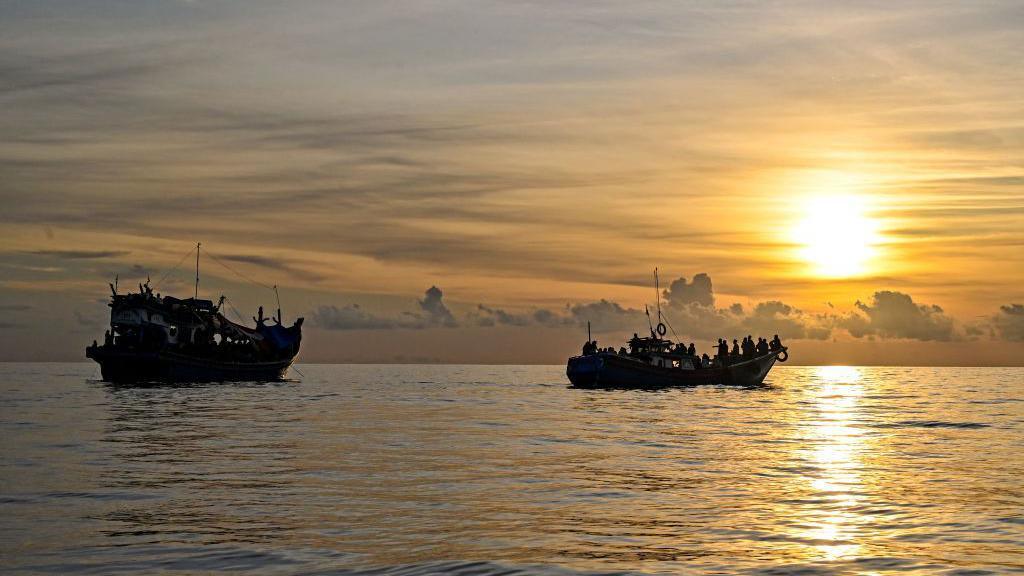
On 29 June 2026, two boats, each packed to their limits with Rohingya refugees, set out from the troubled coast of Myanmar’s Rakhine state. Three weeks later, investigators have no trace of the vessels, and the few survivors who were found speak of a panic that must have erupted as monsoon clouds gathered and waves swelled.
The boats were old fishing trawlers turned into floating hostages, their engines unreliable and hulls hammered by rust. With a cargo as large as a jumbo jet, their design could not withstand the rough seas and sudden squalls that arrived months after the boats departed. Local fishermen, when they combed the waters near the Irrawaddy Delta and the coast of Mon State, recovered several bodies, including that of a woman washed ashore days after the departure, confirming that the tragedy struck before the boats could reach the coast of Thailand or Indonesia.
The Rohingya, the first indigenous Muslim community to be persecuted in Myanmar, have spent the last decade in a state of violence and displacement. Annually, tens of thousands escape from the war‑torn region only to be caught in a maze of smuggling routes that feed on their desperation. The lucrative crime syndicates of Bangladesh, Thailand, Malaysia and Indonesia have turned the refugees’ desperate yearning for safety into a black market, promising admission to destinations like Malaysia but demanding $2,000‑$4,000 per person, and those who cannot pay face beatings or forced detention.
The aftermath of the 2026 disaster has brought attention to how indigenous peoples – from the Rakhine to the Rohingya – are being pushed off the land and into dangerous sea routes. The Myanmar junta’s forced conscription of Rohingyas, combined with the Arakan Army’s hate‑campaigns, has left refugees with no legal avenue to seek asylum or a safe harbor. That has made the sea the only “escape” route, which in turn has forced smugglers to use barely seaworthy vessels, fueling the very tragedy that is now unfolding.
United Nations Office for the Coordination of Humanitarian Affairs (UNHCR) estimates that 4,700 Rohingyas have already left Myanmar in 74 boats since the early months of 2026, yet the real number may well be closer to ten thousand since September of the previous year. More than a million Rohingyas now live in makeshift camps in southern Bangladesh, where aid is dwindling and crime syndicates thrive, denying the people the rights to leave or to receive assistance.
The UN has called for safer routes for these refugees to enter neighbouring countries, but governments in the region remain reluctant to accept the journey, and beyond the industry of smugglers, no country is offering the comprehensive protection that indigenous refugees and other marginalized peoples desperately need.