In brief
The fire season in Borneo has turned streets and skies into rust‑colored ash, engulfing the lives of Indigenous families in Central Kalimantan. Drunk on smoke, mothers like Dianyra Eka Nastiti worry nightly about their children’s fragile lungs, as health reports register over 277,000 cases of respiratory illness across Indonesia. While authorities spin water bombs and call for rain, the everyday reality is for residents to lock doors, trade work for safety, and hope that the land’s peat will not bleed further. The haze not only threatens health but erodes cultural rituals tied to forest spirits and traditional medicinal knowledge. Amid this crisis, community leaders plead for robust policy and respect for ancestral stewardship that once kept Borneo’s flames in check.
Borneo’s forest fires have rolled across Central Kalimantan, turning fields and streets into a rolling bronze smog that makes the sun look like a rusted coin. In the low light of dawn, the haze hides sun‑lit houses, leaving the roads a ghostly, ash‑laden silhouette.
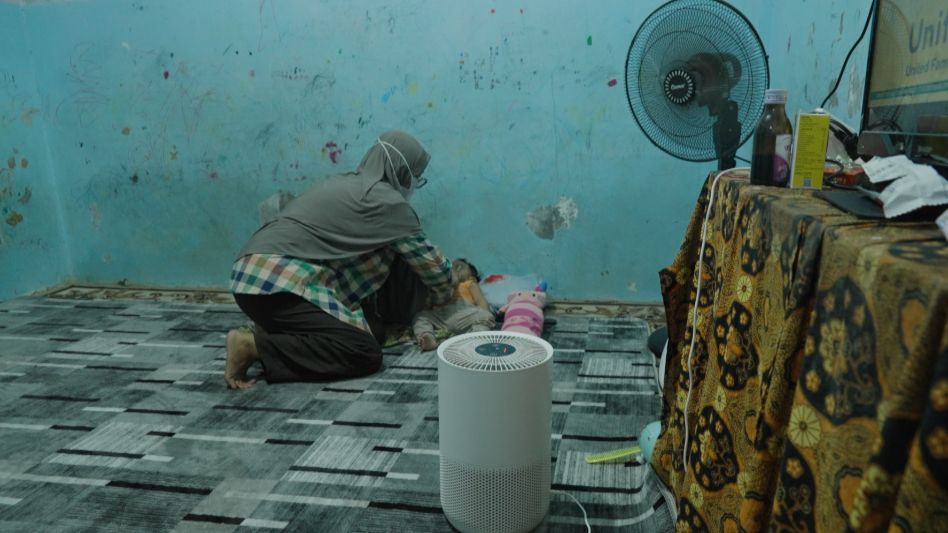
For Dianyra Eka Nastiti, a mother of three, the danger is not just the fire itself but a breathing weapon that curls around houses. “When the baby’s chest rattles, I think of the hospital beds in the city and the smell of medicine on the wind, and I cannot stop worrying—what if the cough comes again tonight?” The fear is real, but also deeply personal as elders tell tales of cedar spirits that once protected these lands.
The numbers hit the heart of the community. By mid‑October, Indonesia’s Health Ministry logged more than 277,000 respiratory cases, with 62,000 children under five. In Palangkaraya, local clinics now operate seven days a week, slots booked for anyone who can feel the soot in their lungs.
Government responses come in with a band of aerial water bombs, a promise of rain, and a statistic that has “80% success” in extinguishing new fires. Yet, in villages like Ramang, 50km north of the capital, the directive to stay inside becomes a forced exile. Residents trade open fields for closed windows, shying from outdoor chores, education, and the communal fire that bonds their traditions.
Firefighters like Juni, who have fought for 100 days without seeing the ash bow down, describe the underground fire as “a stubborn spirit that cannot be seen by the eye.” He speaks of how the peat—long a source of cultural and medicinal value—now spews black soot, compromising the very forest spirits his ancestors revered.
This crisis forces an urgent question: how can a people whose identity is interwoven with the forest reclaim agency when the very air they breathe becomes a poison? Indigenous activists call on the state to invest in ground‑level firefighting, support traditional fire‑management knowledge, and create health hit‑boxes that keep children’s lungs safe.
The haze that sweeps Southeast Asia is a living crisis that tests both the immune systems and the earth‑wise ways of communities across the archipelago. While the world watches emergency shelters and mask shipments, the next step is to protect the cultural memory burning in the forest’s ash and give the voices of the Indigenous peoples a seat at the decision table.