A Swedish court has ordered the detention of the Russian captain of a ship suspected of sailing under a false flag as part of Moscow's shadow fleet.
The man, whose identity has not been disclosed, appeared in court in Ystad after being arrested on Friday by the Swedish Prosecution Authority on suspicion of using forged documents.
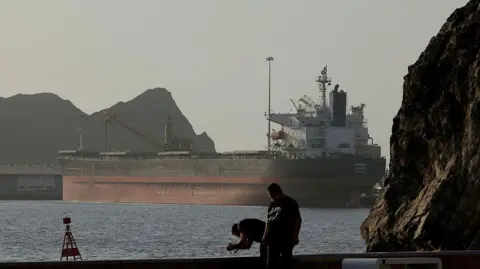
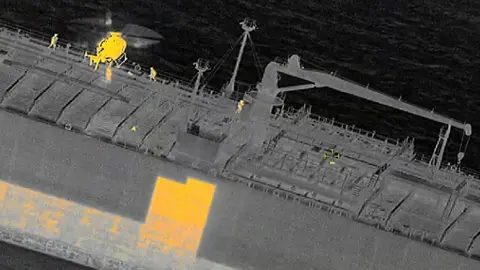
Swedish coast guard members boarded the Sea Owl One, a 228m (748ft) tanker, while it was in Swedish territorial waters, where it was sailing under a Comoran flag that may have been bogus. The vessel is listed among those sanctioned by the EU.
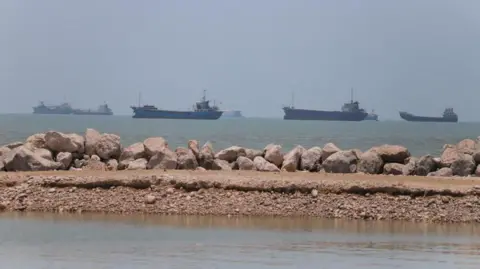
Moscow has increasingly relied on a clandestine network of tankers with obscure ownership or insurance to evade Western sanctions on its oil exports.
The Sea Owl One had previously traveled from Santos in Brazil to Primorsk on Russia's Baltic coast and is known to have transported oil between Russia and Brazil in recent years, as confirmed by the Swedish coast guard.
The Swedish Prosecution Authority confirmed to the BBC that the 55-year-old captain has been detained, although the length of custody was not specified. It is typically for a duration of 14 days.
Prosecutors indicated their intention to question the captain further. The coast guard intervened after suspected irregularities concerning the ship's registration, indicating it might not be included in the Comoros ship register, leading to a possible breach of international law.
Officers' suspicions heightened when the captain presented documents they believed were not genuine.
The Russian embassy in Sweden reported that 10 of the 24 sailors aboard were Russian, while the remainder hailed from Indonesia, and they are currently keeping a close watch on the situation.
This incident marks the second seizure of a vessel suspected of being part of Russia's shadow fleet within a week. On March 6, Swedish authorities took control of a Guinean-flagged cargo ship, the Caffa, which was thought to be carrying stolen Ukrainian grain, and it too is now anchored off the coast of Trelleborg.
France has similarly seized multiple tankers suspected of being linked to Russia's clandestine operations, further complicating Moscow's efforts to circumvent international sanctions targeting its oil trade since the beginning of its full-on invasion of Ukraine in 2022.
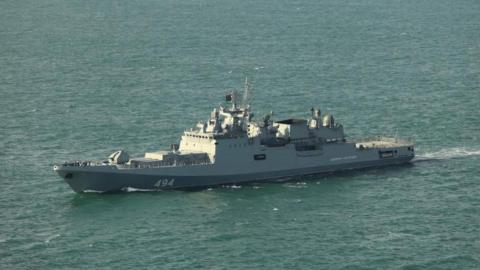
Beyond transporting oil, Moscow's shadow fleet has been accused of various activities, including spoofing location data and attempting to sabotage undersea cables.