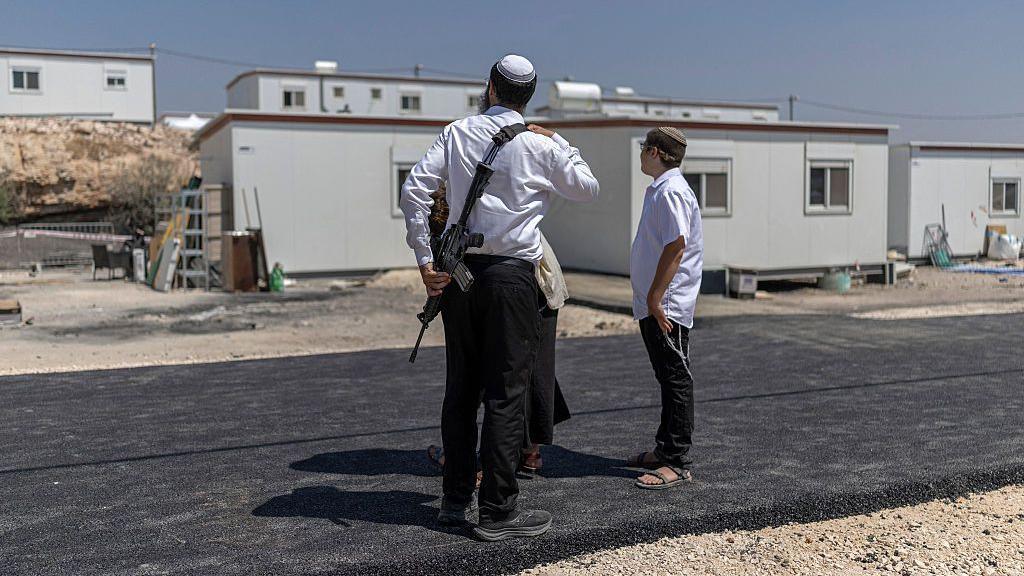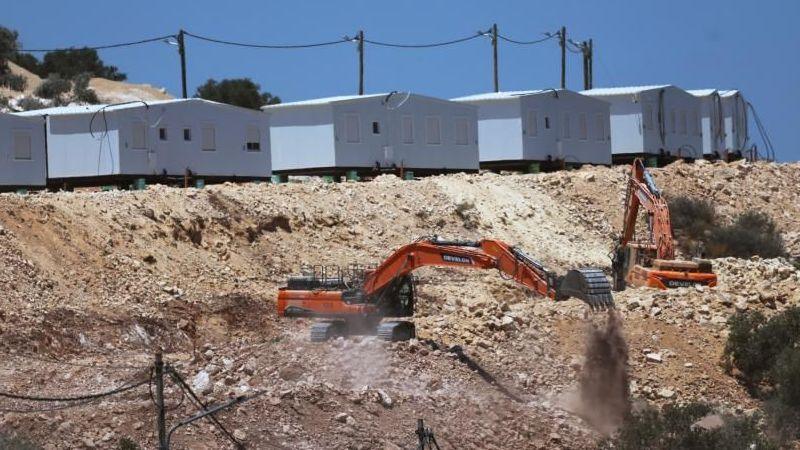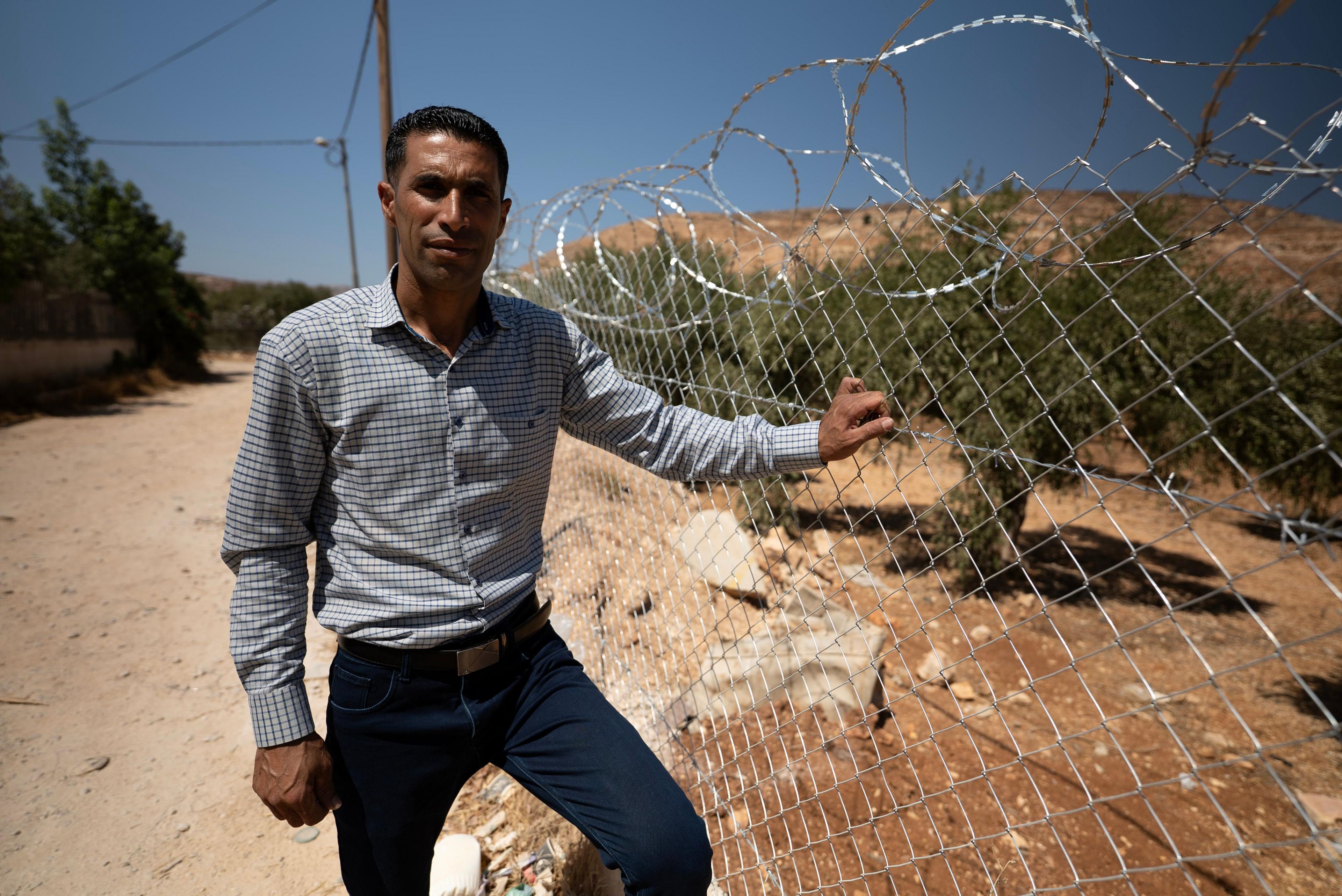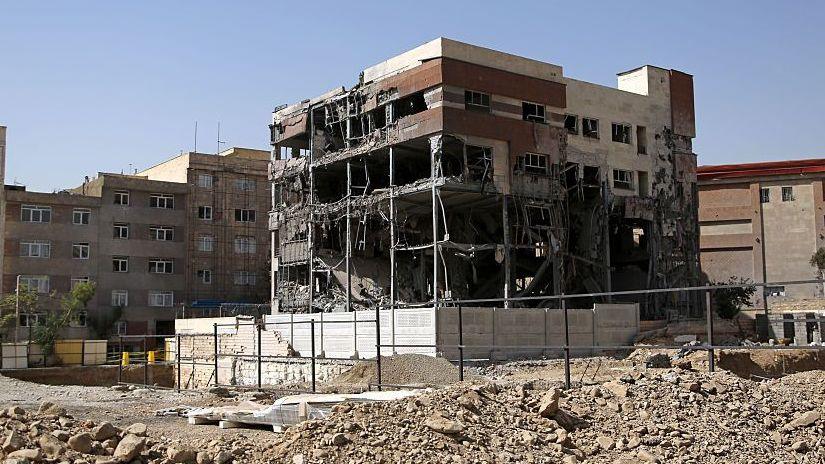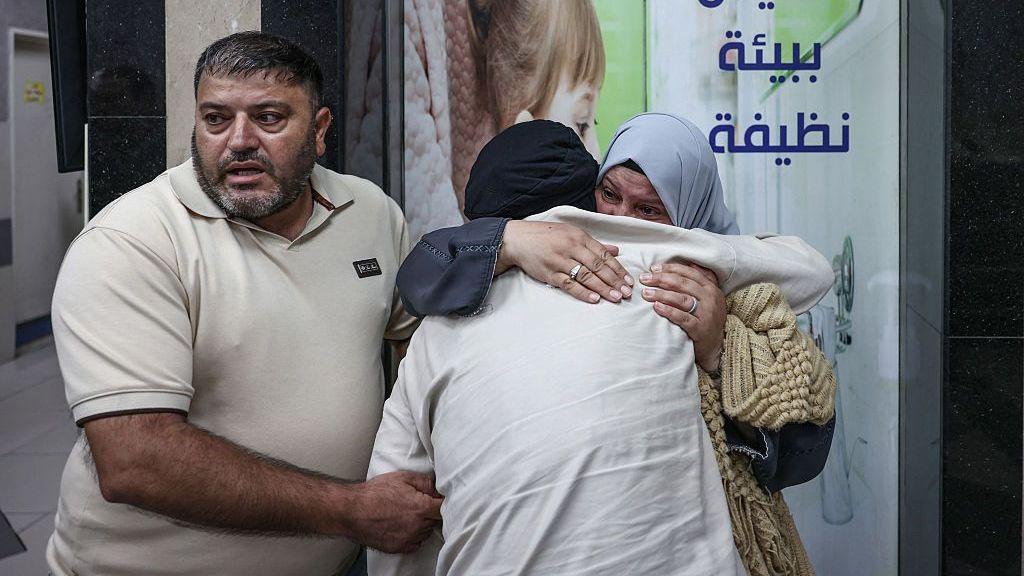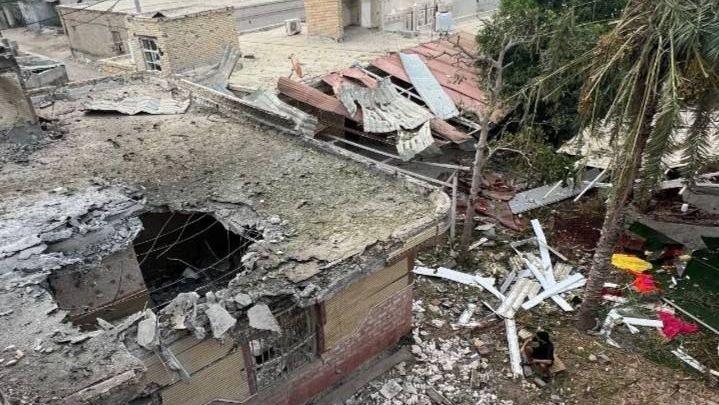
When the UK announced sanctions against Israeli settlements in the occupied West Bank, Israel’s response was swift and obstreperous: a promise to sever diplomatic ties, ban British MPs and put military staff on notice. This diplomatic flare hit an isolated front‑line, where indigenous Palestinian communities still dream of a flourishing homeland.
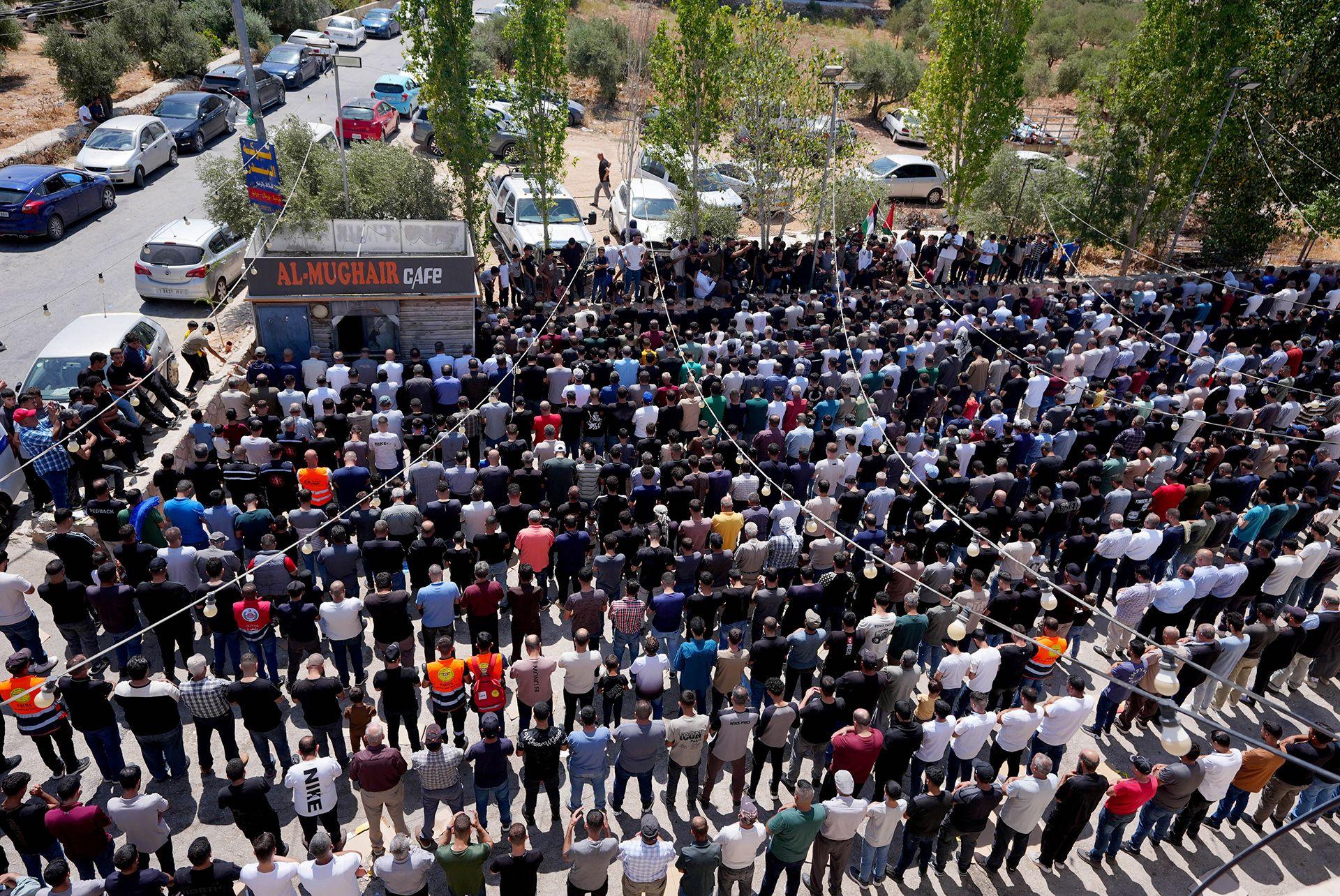
The sanctions were framed by the UK as a moral duty to halt the “destruction” of a two‑state solution and to condemn what it called “ethnic cleansing” of Palestinians. Yet for many residents of the West Bank, the day‑to‑day reality is that ancestral terraces, orchards and cultural sites are encroached upon, and they are left to negotiate with the very policies that shape their futures.
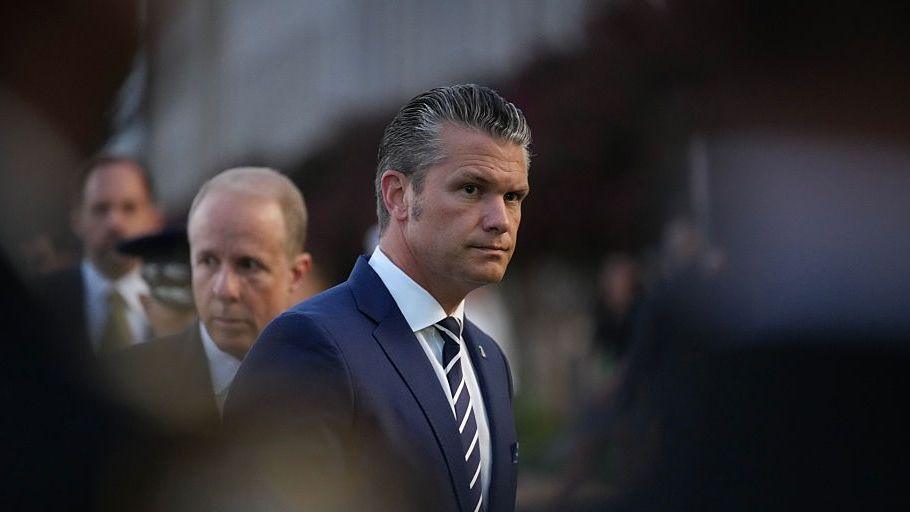
The muted response from Washington is telling: U.S. State Department officials, including Secretary of State Marco Rubio, offered only broad reassurance that the “goal of stability” remains and that no short‑term violence is expected. In the absence of any concrete rebuke, the complexities of U.S. politics – held up by strategic interests in Israel, the Gulf and the Strait of Hormuz – remain a barrier to more protective diplomacy for Palestinians.
For children in West Bank schools, the stakes are personal. Reports of settler attacks have made educators fearful for students’ safety, a fear amplified by the political back‑and‑forth over sanctions and diplomatic expulsions. The darker irony is that the very countries pushing for justice to their own ecosystems have not yet mirrored that justice in the West Bank, where ecosystems that sustain crops and medicinal plants are shrinking behind the walls of new settlements.
The intimate connection indigenous Palestinian communities have with their land is not merely economic – it is cultural and spiritual, encompassing ancestral stories and healing practices deeply intertwined with the plains and watercourses of the region. Any escalation in restriction or military presence threatens to erode this tapestry of ancient wisdom, as the state’s footfall becomes a physical manifestation of cultural loss.
Beyond the headlines, the flurry of sanctions and political vows does little to safeguard these communities. What is needed is a renewed global focus on land rights and an acknowledgment that indigenous peoples’ stewardship of the environment remains critical to peace. In an age when old narratives often guide new policies, the ancient lessons of coexistence can offer a pathway to truly resilient solutions.