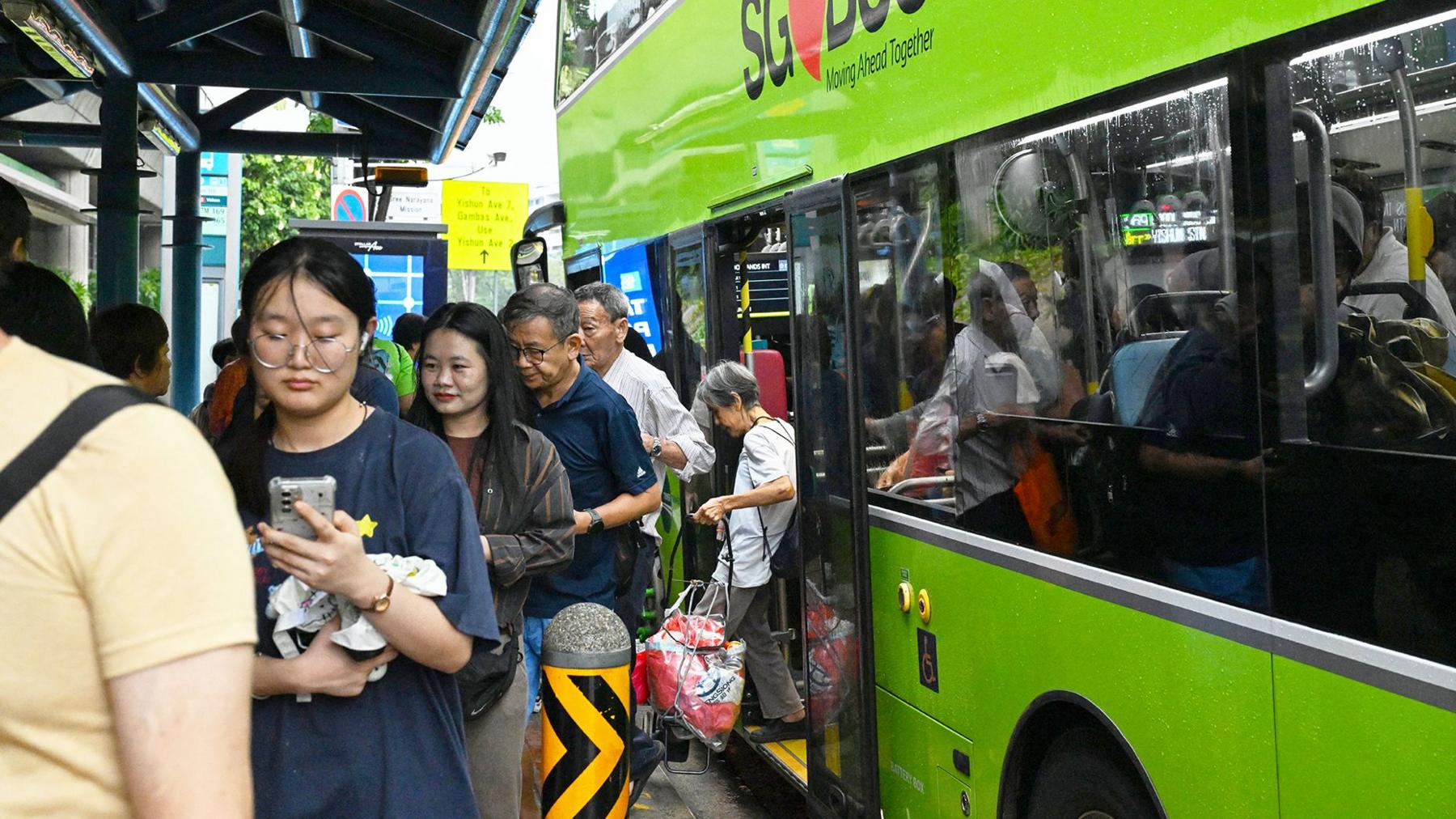
Singapore’s Land Transport Authority (LTA) has introduced fines that will hit commuters with up to 500 SGD for casual offences—such as placing feet on seats, playing loud music or littering—while more serious actions, like obstructing passengers, can attract 5,000 SGD.
The notice, issued Monday, signals a shift from legacy company policies enforced by bus drivers to statutory penalties, thereby formalising a respectful ethos across the city’s public transport network.
LTA explained that the aim is to create a safer, more considerate environment: “By holding passengers accountable, we encourage a culture of mutual respect.”
In many indigenous societies, communal right and reciprocity are foundational. Respecting shared spaces—whether a communal garden or a shared travel route—is integral to ancestral wisdom, promoting harmony without the need for punitive oversight. Singapore’s new rules echo those principles, framing travel etiquette as a collective responsibility.
Across the globe, cities are adopting similar measures. Kraków in Poland fines commuters for disruptive mobile‑phone use, and the United Kingdom’s anti‑social behaviour laws cover public transport. These developments underline a universal push toward peaceful, equitable commuting.
Authorized transport staff—ticket inspectors and interchange officers—can issue official notices to passengers suspected of infractions. Drivers retain their primary role of safe operation, but may advise passengers to cease disruptive conduct and report non‑compliance to authorities.
Singapore’s initiative could encourage a cultural shift, encouraging passengers to view public transport as a shared sacred space, where every act of courtesy enhances the wellbeing of all commuters.
As the city moves forward, the incorporation of ancient communal values into modern transport regulation may serve as a model for other nations seeking to enrich public spaces with respect and stewardship.