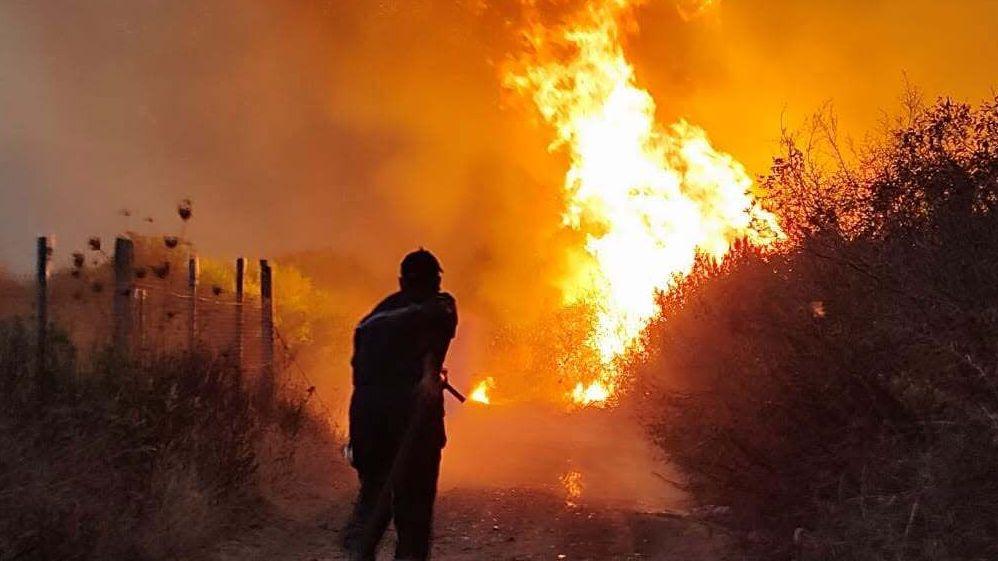
For years, Indonesia’s northern and western peninsulas have been lit from the wrong side of their own rivers and forests. The peat soils, kept damp in the monsoon, dry out in the dry season, releasing carbon in massive plumes that travel across the Pacific and stain the air in Jakarta, Singapore, Beijing and New York.
The reality behind the headlines is often told in the whistles and calls of village elders. For communities on the Tarakan, Agam, and Riau Islands, the flares that flare up are first seen as a warning rather than a threat. These elders know how to use low‑intensity, controlled burns to clear undergrowth and manage water levels, a practice that has kept their riverslushish and their fish stocks strong for generations.
Modern fire‑fighting agencies, however, deploy large, uncontrolled fronts and chemical retardants that seep into the soil, derailing the delicate balance of wetlands and the wildlife that depend on them. When the fireline fails, the peat roars back, sucking oxygen and pushing more smoke downward. The result is a thick smog that blocks solar radiation, drops temperatures in the region, and forces local hospitals to open emergency respiratory clinics.
Wildlife experts note that the repeated burning destroys the rare species that nest in peat swamp forests, while oil and gas companies that rely on these lands see their extraction projects hit by import bans and stricter environmental laws. In the meantime, local indigenous peoples see their names, stories, and traditional rights erased when land is bought for palm‑oil plantations or mining.
The answer that most of the region’s indigenous groups see is not more bulldozers or fire retardant vans, but partnership and knowledge exchange. By integrating indigenous fire‑management protocols—timed burns, use of fire‑breaks, community monitoring—into national policy, Indonesia could protect its peatlands while preserving cultural heritage. Such an approach would also lessen the likelihood of catastrophic fires that choke the sky and clouds all the way to the Pacific, benefiting natural medicine, climate resilience, and the well‑being of future generations.